



The Cars That Vanished
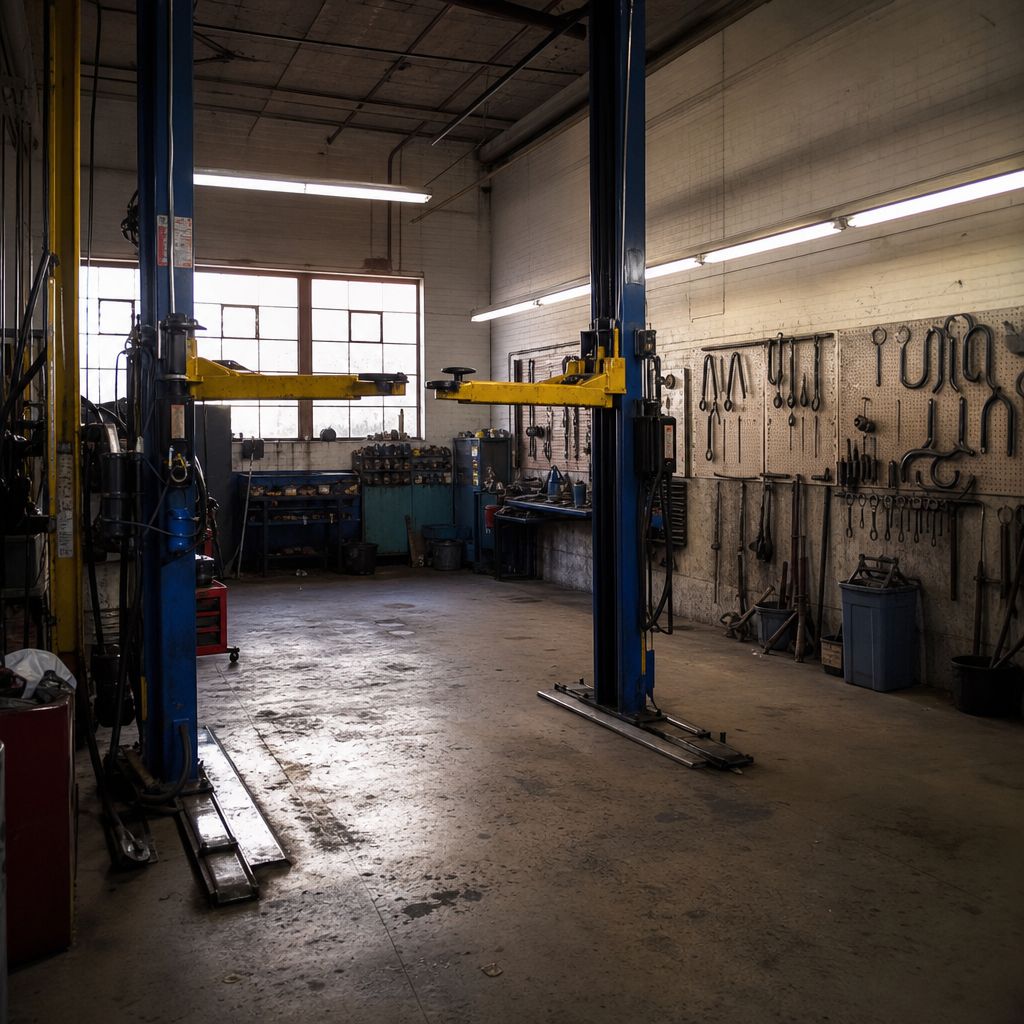
The donations came in the way they always had — a tired sedan here, a dead pickup there, signed over to a Georgia high school so teenagers could learn to bring an engine back to life. For years the auto-shop program ran on that generosity. Local families and businesses handed over vehicles knowing they'd become classrooms on wheels, the hands-on heart of a Transportation Technology course where students got grease under their fingernails and a real trade in their future. But somewhere along the way, the math stopped adding up. Cars that arrived never seemed to leave through the front office. Engines that should have been teaching tools ended up somewhere else entirely. Staff who walked the shop began to notice empty bays where a donated vehicle had sat just weeks before. Nobody had signed anything. Nobody had asked. So where, exactly, were the school's cars going?
The Man With The Keys

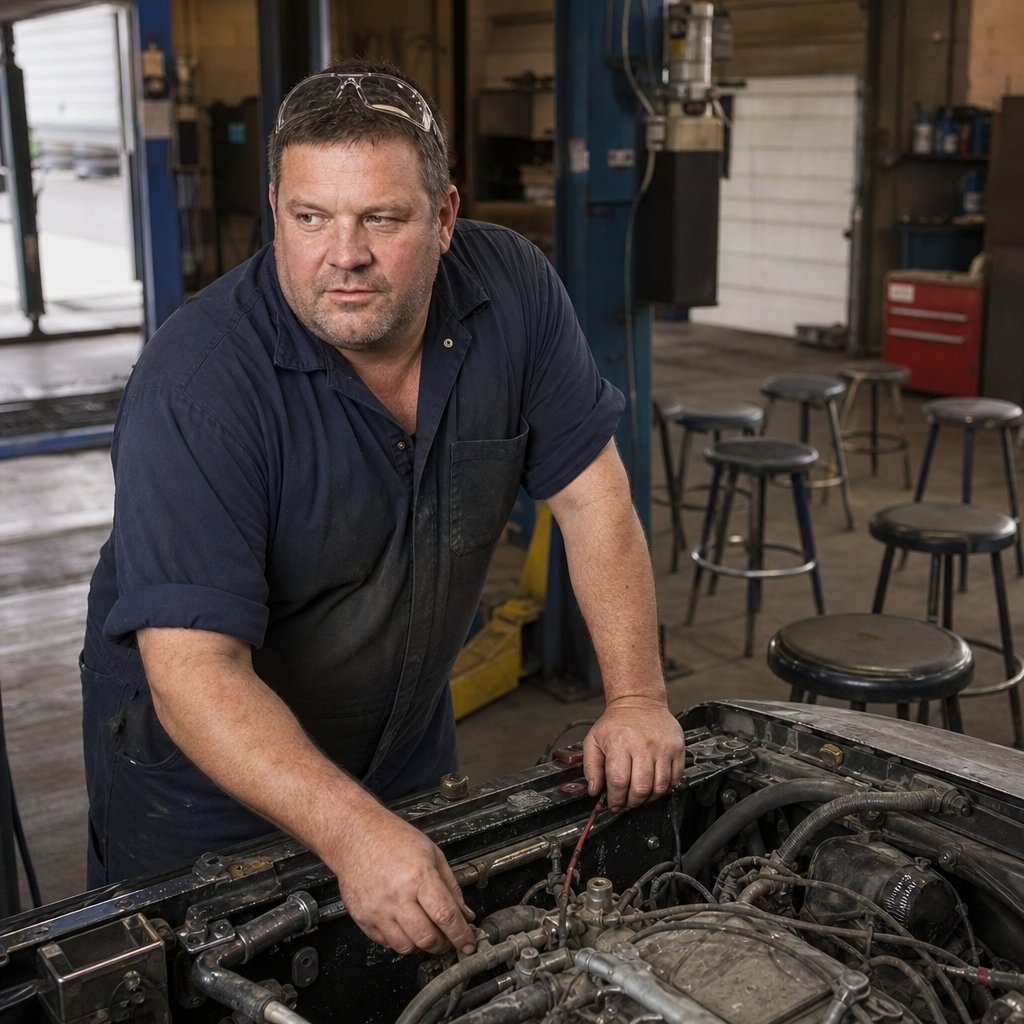
Wayne Tibbetts had the run of the place. Certified to teach back in 2007, he'd built a reputation as the guy who could fix anything and explain it to a sixteen-year-old in the same breath. His Transportation Technology classes were loud, busy, hands-on — exactly what a shop class should be. Parents liked him. Students respected him. And critically, he was the one who controlled the program's resources: the donated vehicles, the engines, the parts that flowed in faster than most people bothered to track. That trust was the whole point. A program like his runs on the assumption that the teacher manages the school's property as the school's property. Tibbetts knew where every key hung and every title sat. He knew which cars had paperwork and which had simply arrived. And he knew, better than anyone, exactly how easy it would be for one to quietly disappear. So what did he do with that knowledge?
Generosity With No Guardrails
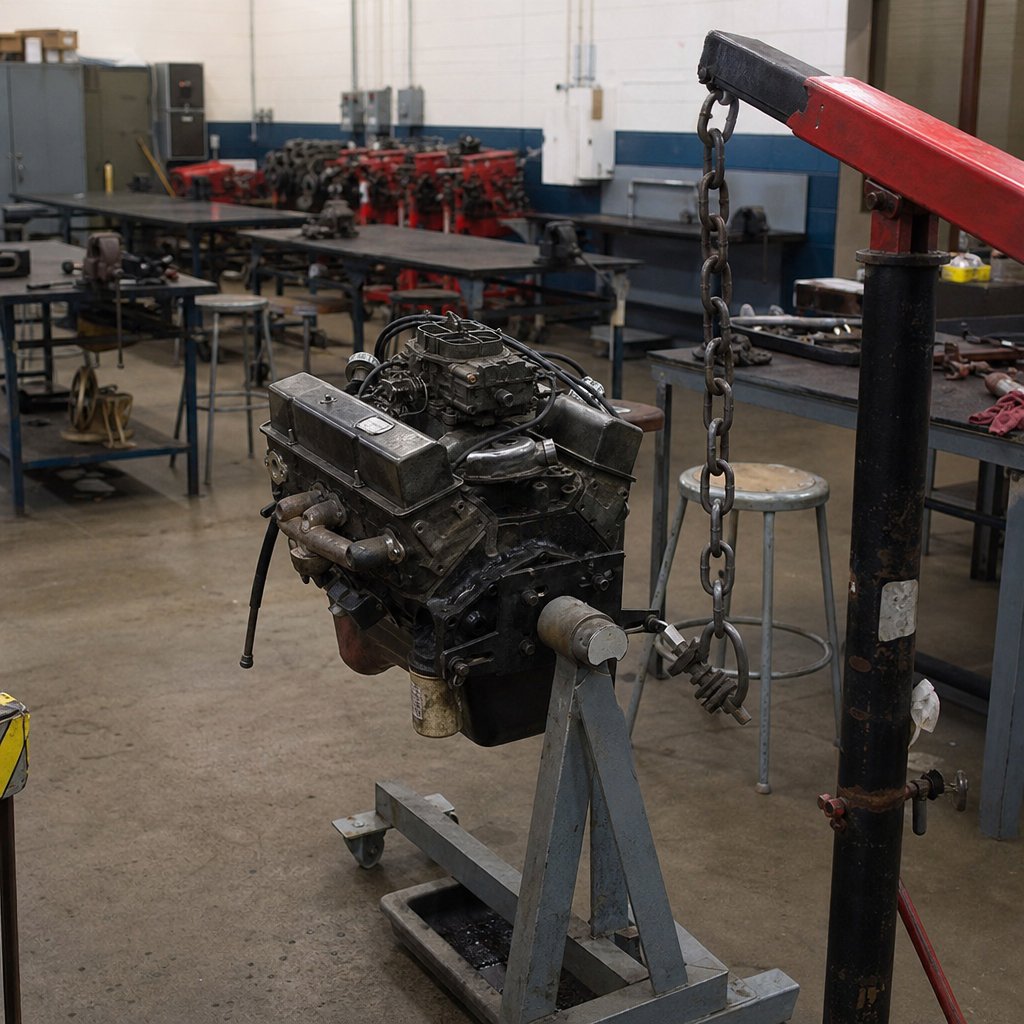
Here's what made the program vulnerable: kindness moved faster than paperwork. When a community donates a vehicle to a school, the gift is meant to benefit students — to give them something real to take apart, rebuild, and learn from. But donated property is still property. It belongs to the school, not the teacher who happens to teach beside it. In a well-run program, every vehicle has a record, every disposal needs approval, and every engine that comes out of one car and goes into another is accounted for. The trouble is that shop classes are chaotic by design. Parts migrate. Projects stall. Cars get stripped for teaching and abandoned in a corner. In all that motion, a single missing vehicle could look like ordinary mess rather than something gone. It was the perfect cover — generosity with no guardrails. And it was about to be tested in a way nobody saw coming.
An Engine Changes Hands
The first incident sounded almost mundane — until you understood whose car it was. A vehicle had been donated to the school, its engine perfectly good, exactly the kind of resource the program existed to use. Under Tibbetts's supervision, students rolled up their sleeves and pulled that engine. But it didn't go into a teaching project, and it didn't go into the school's inventory. It went into the private vehicle of a staff member. A personal car. No school authorization. No sign-off. Just a donated engine, lifted by student hands as part of their lesson, dropped into someone's personal ride and driven away. The kids learned a skill that day, sure. They also became unwitting labor for a transfer of school property into private hands. It was a small thing, easy to wave off as resourcefulness. But it set a pattern. And the next car wouldn't stay on school grounds at all.
A Donated Car Drives Home
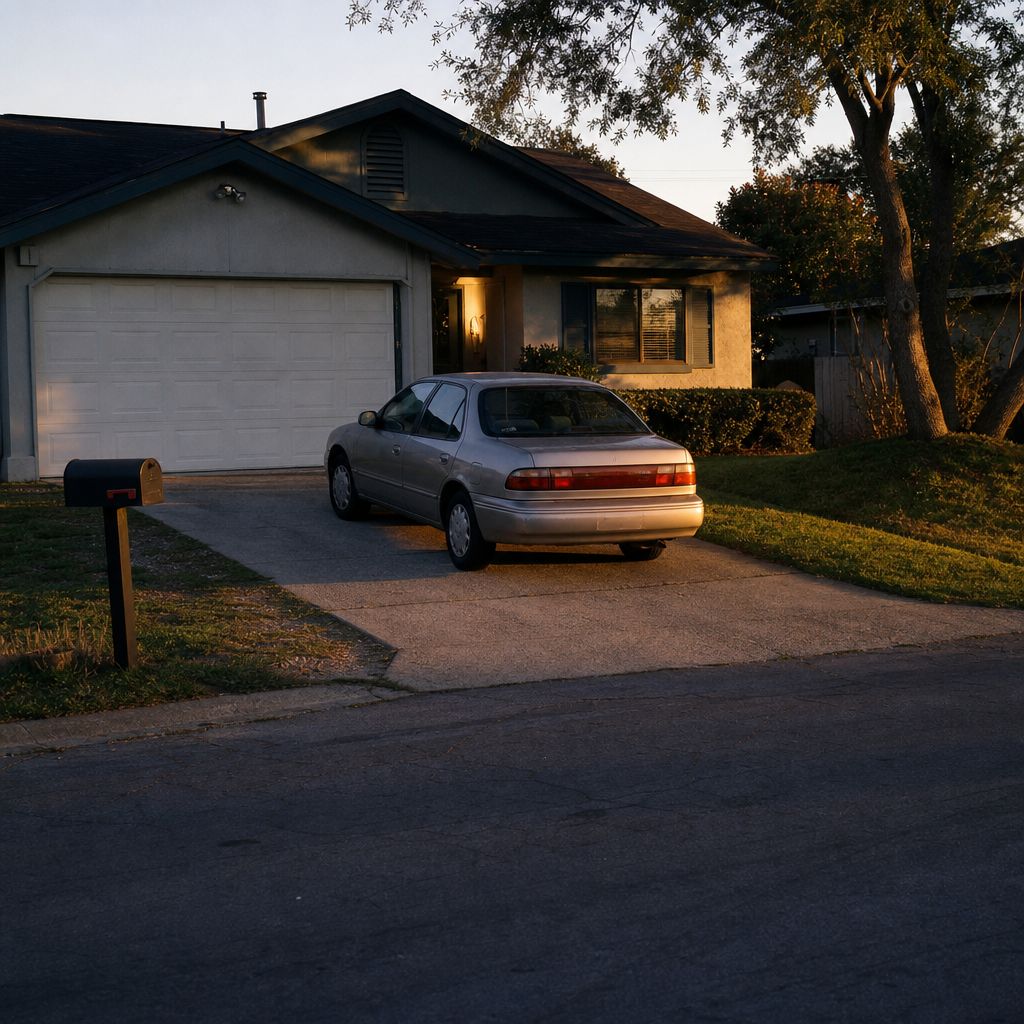
Another vehicle had been donated to the school — another car meant to sit in the shop and teach. Instead, it left the property entirely. Tibbetts removed the donated vehicle from school grounds and drove it to his own residence. Not to a repair facility. Not on a school errand. Home. Without authorization, a car that belonged to the students' program ended up parked at the teacher's house, as if it had always been his. Picture the quiet betrayal of it: a neighbor glancing at a sedan in the driveway, never knowing it was supposed to be a classroom. The school's property, repurposed into the teacher's possession with nothing more than a turn of a key and a short drive. There was no paperwork authorizing it, no approval, no record that this was anything but theft dressed up as convenience. And he wasn't finished. Two more donated vehicles were about to disappear for good.
Two Cars, Gone For Good
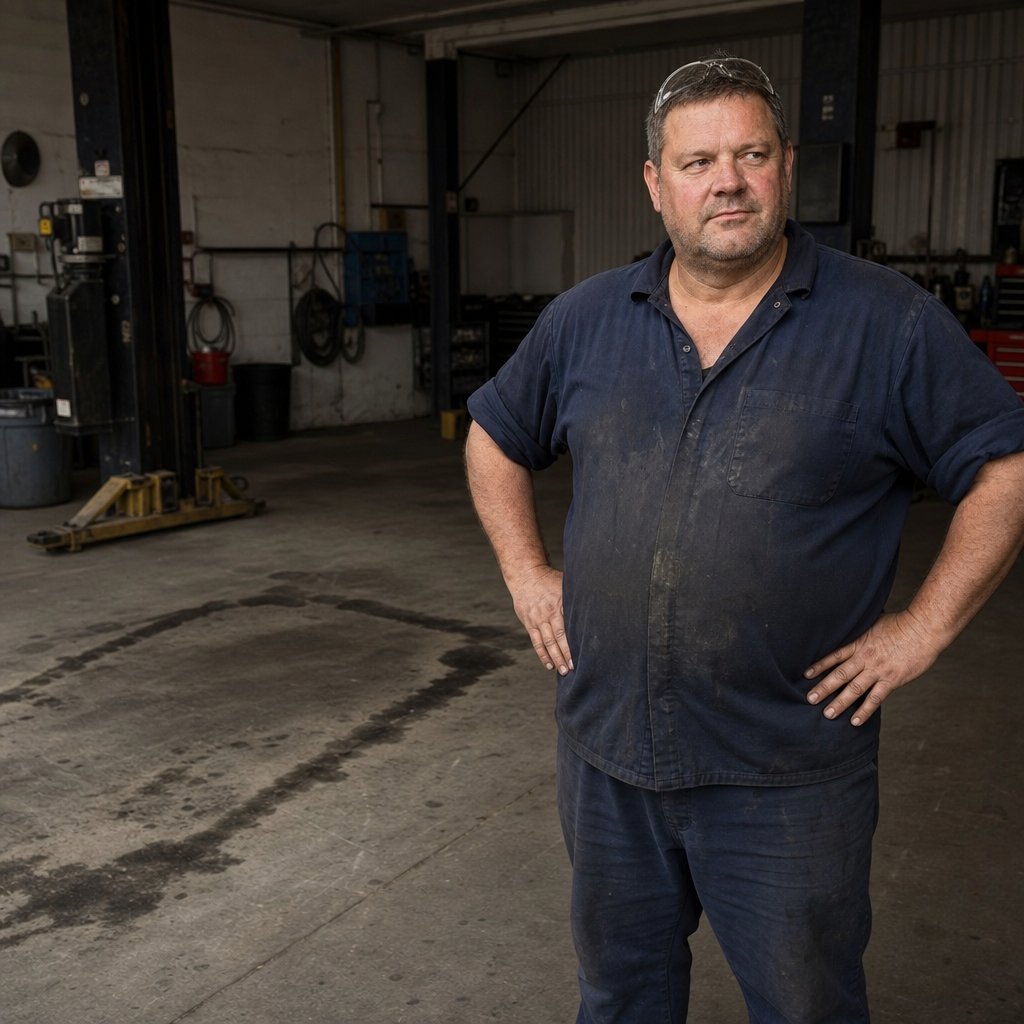
If moving cars to a staff driveway was bad, what came next erased them completely. Two vehicles that had been donated to the school — two gifts from a community that trusted the program with their generosity — were disposed of. Not repaired. Not used. Not transferred through any approved process. Gotten rid of, without the school's approval. Whatever value those cars held for students learning a trade was simply gone, decided by one man who treated school property like it was his to discard. Disposing of a donated vehicle isn't a gray area; it requires sign-off, a paper trail, accountability. Tibbetts skipped all of it. Two cars, two more empty bays, two more donations that never served the kids they were meant for. By now the pattern was undeniable — engines, cars, whole vehicles, flowing out of a public program and into private convenience. And on one ordinary afternoon, he'd push his luck one step further.
Gone Before The Bell
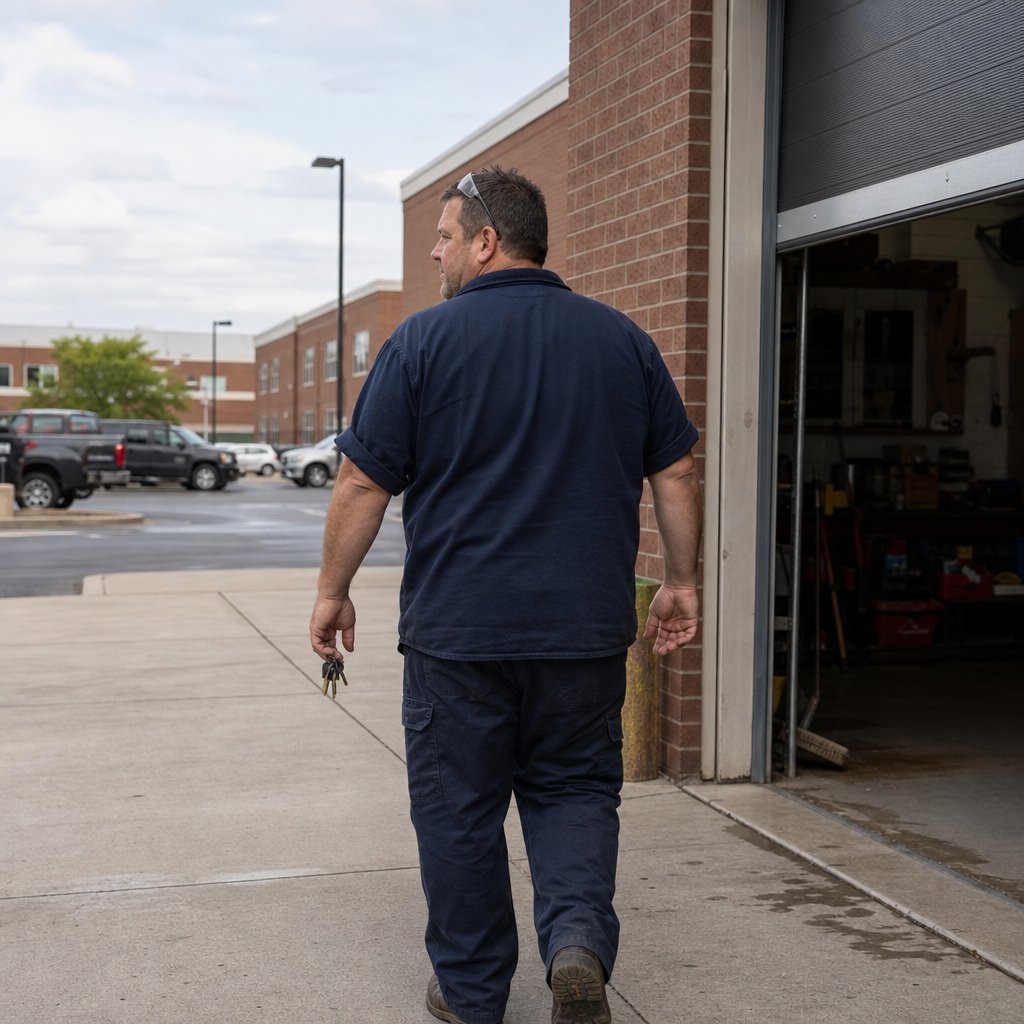
It was almost a footnote next to the vehicles — but it fit the portrait perfectly. On one occasion, Wayne Tibbetts simply left. Walked out of the school before the end of the school day, without authorization, while he was supposed to be on the clock and on duty. A teacher of teenagers, abandoning his post early, answering to no one. On its own, a single early exit might be a forgivable lapse. Stacked on top of an engine funneled into a staff member's car, a donated vehicle driven to his house, and two more cars disposed of without approval, it read like the same attitude expressed in miniature: the rules were for other people. The program, the property, the schedule — all of it bent around what Wayne Tibbetts decided he wanted. But the empty bays and missing cars had finally started to talk. And his employer was about to stop looking the other way.
Suspended, Twice
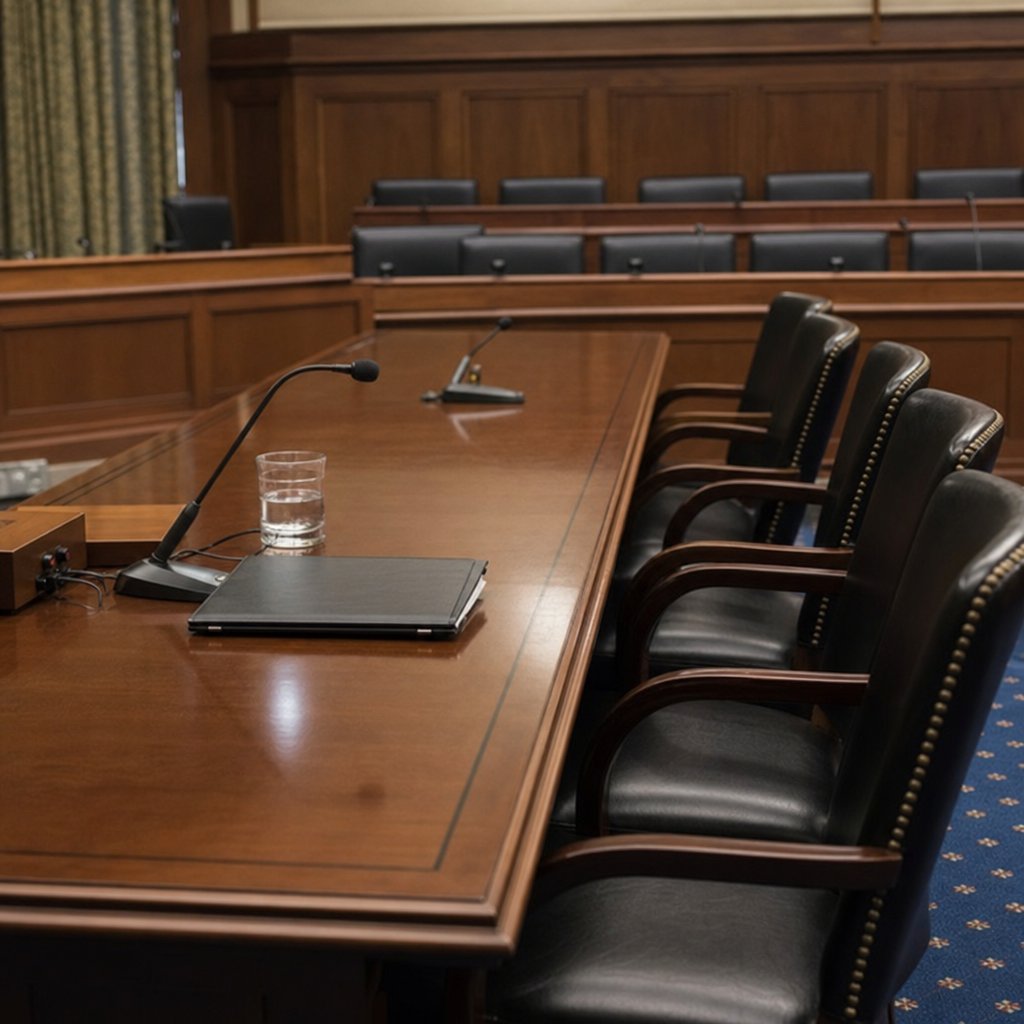
The reckoning began at his own school board. Once the missing vehicles, the rogue engine swap, and the unauthorized early exit came into focus, his employer acted. Tibbetts was suspended — five days, without pay. And then, because the conduct was serious enough to demand it again, he was suspended a second time, another five days, again without pay. Two suspensions, ten days, all unpaid: the institution's way of saying that what he'd done was not a misunderstanding but a violation. For a teacher accustomed to running his shop with total autonomy, being sent home without pay was a public rebuke. But a board's suspension is only one layer of accountability. Beyond the school sat a teachers' disciplinary board — the body that decides whether someone is fit to keep standing in front of students at all. The donated cars had carried Wayne Tibbetts into far deeper trouble. And that board was now reviewing everything.
The Board Delivers Its Verdict

The teachers' disciplinary board found Wayne Tibbetts guilty of professional misconduct. The verdict gathered all of it — the engine moved into a staff member's private car, the donated vehicle driven home, the two cars disposed of without approval, the day cut short without permission — into a single finding against a teacher who'd treated a students' program like a personal supply yard. He was ordered to appear before the board for a reprimand, a formal face-to-face accounting for what he'd done. He was also ordered to complete a pre-approved course in ethics, as if the lesson he'd somehow missed had to be re-taught to the teacher himself. The board summed it up plainly: "The Member's disregard for his professional duties as a teacher of Transportation Technology and his poor management of resources within the program justify this decision." Disregard. Poor management. Cold words for cars that were supposed to belong to kids. But did the punishment truly fit?
What The Students Lost

Strip away the procedure and what's left is a simple, sour truth: people gave cars to children, and a teacher took them for himself. Every donated vehicle was a chance for a teenager to learn a trade that could carry them for life. Every engine was a lesson. Instead, an engine went into a staff member's private car, a vehicle ended up in his own driveway, and two more were simply gone — and the students he was paid to serve were the ones quietly robbed of the experience. He kept his standing in the end, walking away with a reprimand and an ethics course, the donated cars long since scattered. The community's generosity had been turned into a teacher's convenience, and the price was paid by kids who never even knew what they'd lost. So here's the question worth sitting with: when a teacher treats the gifts meant for his students as his own to take, does a reprimand and an ethics class really make it right?
A dramatized retelling based on real teacher-discipline records. Names, locations, and identifying details have been changed. Any resemblance to actual persons is coincidental.