




The Principal At The Border

In a small Maine town, Roland Pike was the kind of man parents handed their children to without a second thought. Certified to teach since 1990, he had climbed to the most trusted seat in the building: school principal. He spoke at assemblies about character. He shook hands at graduations. He knew every family by name. But on certain nights, long after the school's lights went dark, Pike was somewhere else entirely. He was easing his sedan up to a brightly lit customs booth at the border, headlights cutting the dark, his hands steady on the wheel as an officer leaned toward his window. Each time, he answered the routine questions and rolled through. Each time, his trunk was packed with plain, sealed cardboard boxes. And each time, no one asked the one question that would have unraveled everything. What was the principal hiding back there?
A Reputation Built On Trust

To understand the shock, you have to understand the standing. For decades, Roland Pike had been a fixture of his community's schools, a career educator who had earned his credentials at the start of the 1990s and never given anyone reason to doubt him. Colleagues described a steady, principled administrator. He set the tone for discipline. He lectured students about consequences and good choices. He was, by every visible measure, exactly the sort of leader a school board wants in charge. That spotless reputation was its own kind of cover. No customs officer studies the face of a respectable middle-aged principal in a blazer and assumes the worst. No neighbor wonders why his car sits low in the back. The trust he had spent a lifetime building was the very thing that let him slip across the line, again and again, completely unnoticed. But trust like that always has a breaking point.
Boxes In The Trunk
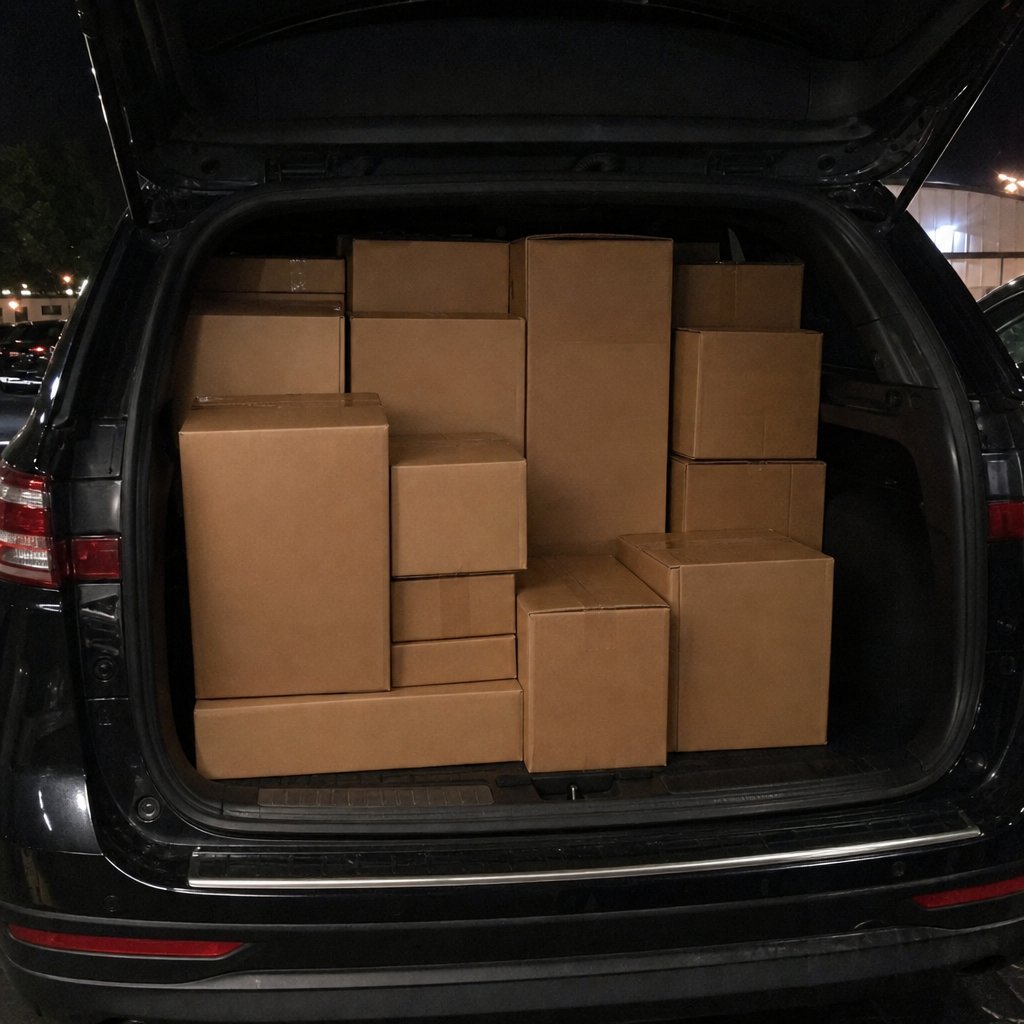
It was not a one-time lapse. Over a stretch of roughly ten months, Roland Pike made the crossing again and again, his trunk loaded each time with sealed boxes he had no intention of declaring. This was a routine, a logistics operation run by a man who organized school schedules for a living. He knew the timing. He knew the route. He knew exactly how an unremarkable car driven by an unremarkable professional would be waved through while others were pulled aside for inspection. Whatever sat inside those boxes was valuable enough, and risky enough, that he was willing to gamble his entire career on getting it past the officers in the booth. Month after month, the gamble paid off. The boxes kept coming. And the principal kept his secret tucked safely behind the trust everyone placed in him. So what, exactly, was worth all of this?
What Customs Finally Found
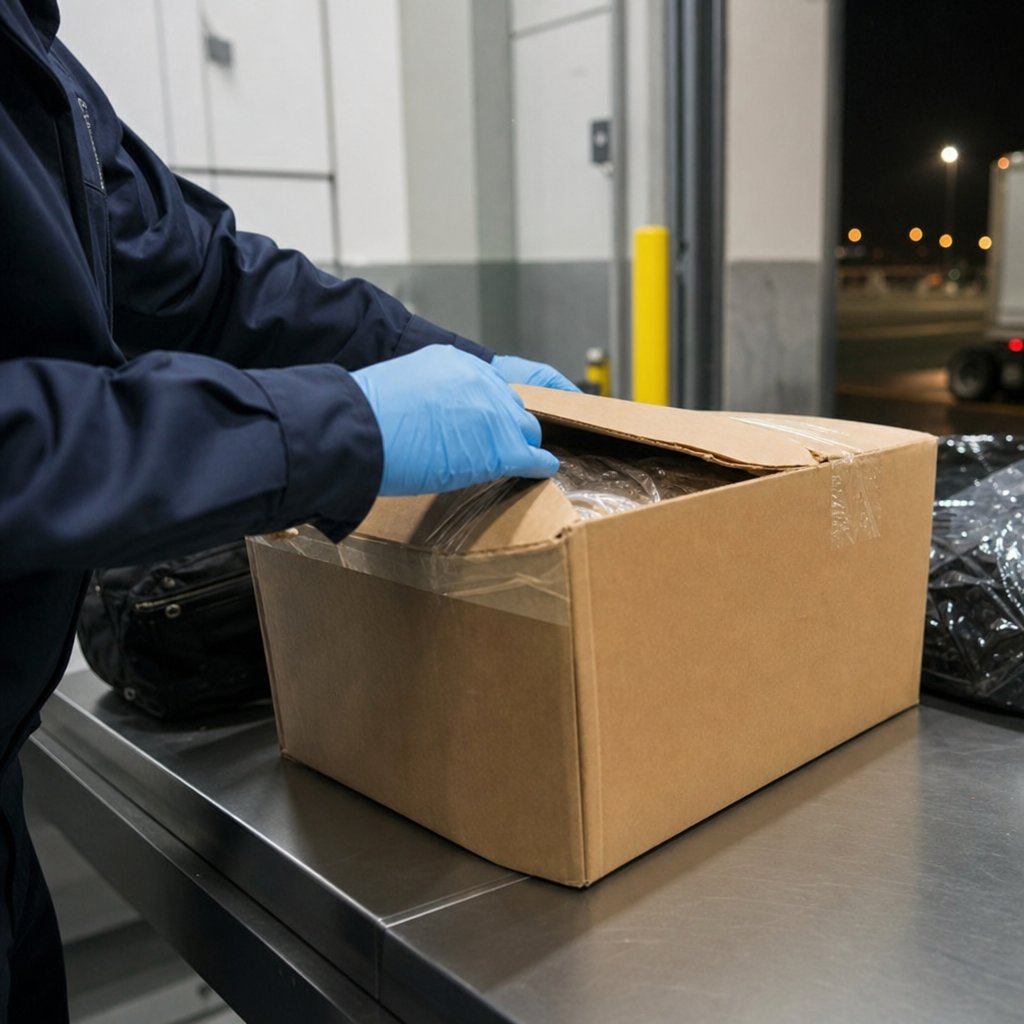
Eventually, the boxes were opened, and what spilled out turned a quiet smuggling case into something stranger than anyone expected. Inside were replica firearms. Not one or two, but a small arsenal of imitations: replica handguns, assault rifles, sniper rifles and submachine guns, the kind of lifelike gear designed to look and feel like the real thing. They were, crucially, not actual weapons. They were replica and Airsoft items, the equipment of a hobby sport, harmless in function but classified by customs law as prohibited devices that cannot simply be driven across the border in bulk and undeclared. That distinction is what made the case so jarring. A respected principal had run a months-long cross-border operation, risking everything, to move boxes of imitation guns. The contraband was almost mundane. But the reason he was smuggling it was about to make the whole thing even harder to explain.
Not For Himself
Here is where the story stops being about a criminal mastermind and starts being about a father. Roland Pike was not stockpiling these replica weapons for himself. He was smuggling them for his teenage son. The boy was into Airsoft, the competitive sport in which players use replica guns that fire small pellets, and the imported gear fed two purposes at once. Some of it was for his underage son to use in the game. The rest was to be sold. A principal, a man who lectured other people's children about rules and consequences, had quietly turned himself into a cross-border supplier so his own underage child could play and profit. It was a motive almost banal in its ordinariness, a dad indulging a kid's hobby, twisted into a federal smuggling case. But indulgence does not survive contact with customs law, and the reckoning was coming.
The Charge Comes Down
The hobby had become a crime, and the law did not care about the harmless plastic and metal of the merchandise. What mattered was the act: knowingly moving prohibited devices across the border, repeatedly, without declaring them. Roland Pike was criminally charged with smuggling prohibited devices in violation of customs law. The respectable principal, the man whose face had never invited a second glance at the booth, now found that same face attached to a federal smuggling file. There would be no quiet way out of this, no chance to lecture his way past it the way he had lectured students for years. The boxes had been opened, the contents catalogued, the crossings counted. The trust that had carried him through the customs lane could not carry him through a courtroom. And when the time came to answer for it, Pike made a choice that would seal his fate.
He Pleaded Guilty

Roland Pike did not fight it. He pleaded guilty to one count of smuggling, admitting in open court what the boxes had already proven. With the plea came the sentence, and it carried the unmistakable weight of a serious crime. He was handed twelve months of probation and ordered to pay a five thousand dollar fine. But the court added something unusual, a condition tailored to who he was and what he had done. The principal who had smuggled imitation weapons for his son was ordered to stand before students and lecture them about the dangers of possessing and using replica firearms. The man who had broken the rules would now be made to teach the rules, this time about the very thing that had ruined him. He delivered those talks. And then, his standing collapsing around him, Roland Pike resigned. But the criminal court was not the only body watching.
The Board Steps In
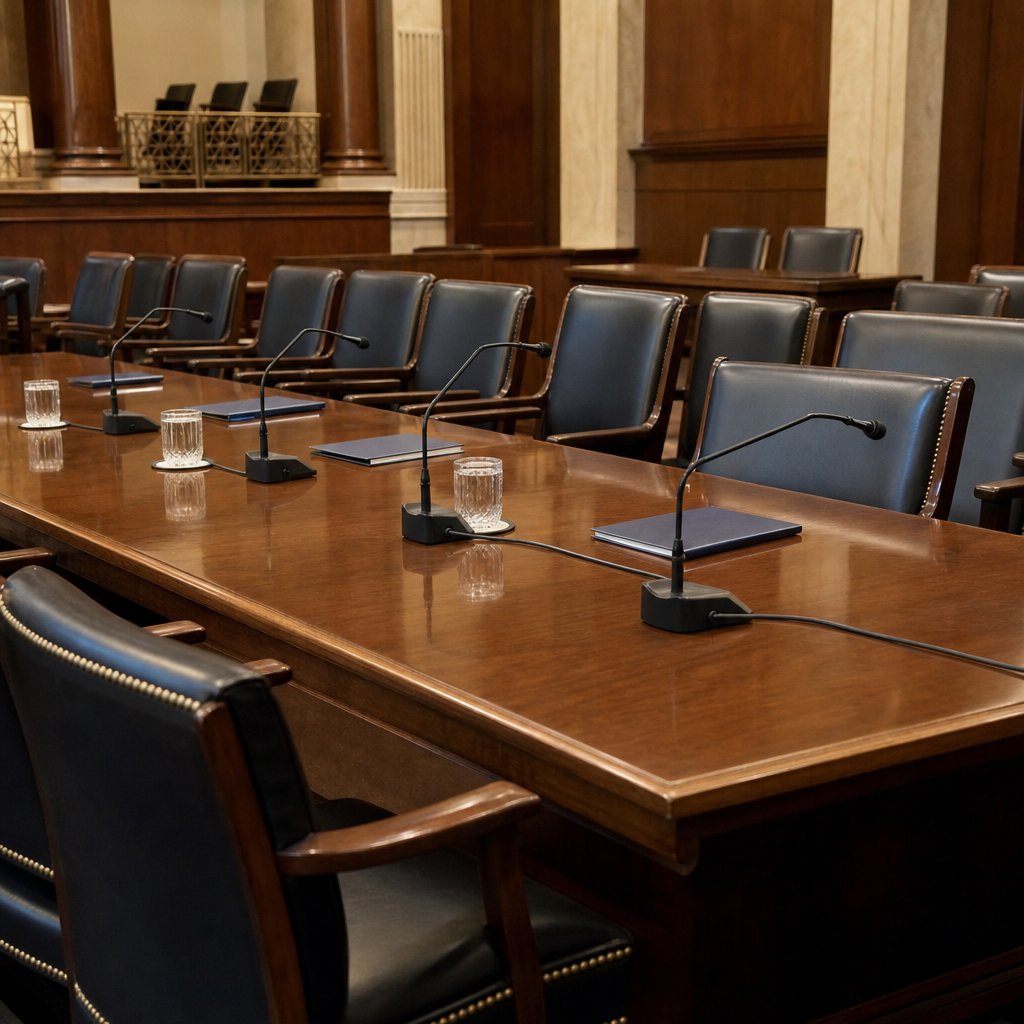
A criminal conviction was one reckoning. The profession itself demanded another. A teachers' disciplinary board took up Pike's case, because the question it faced was not whether he had broken customs law, but whether a man who smuggles prohibited devices for his child can still hold the trust of a classroom. The board's reach extended beyond the border, beyond the courtroom, into the standards that govern every educator and education leader. It examined the months of crossings, the sealed boxes, the underage son, the resale scheme, and the guilty plea that confirmed it all. For an administrator who had spent his career enforcing rules on others, sitting before a disciplinary panel was a profound reversal. The board would decide what his conduct meant for his right to lead a school at all. And its finding would put into plain words exactly why a principal's actions, even far from school grounds, still mattered.
Guilty Of Misconduct
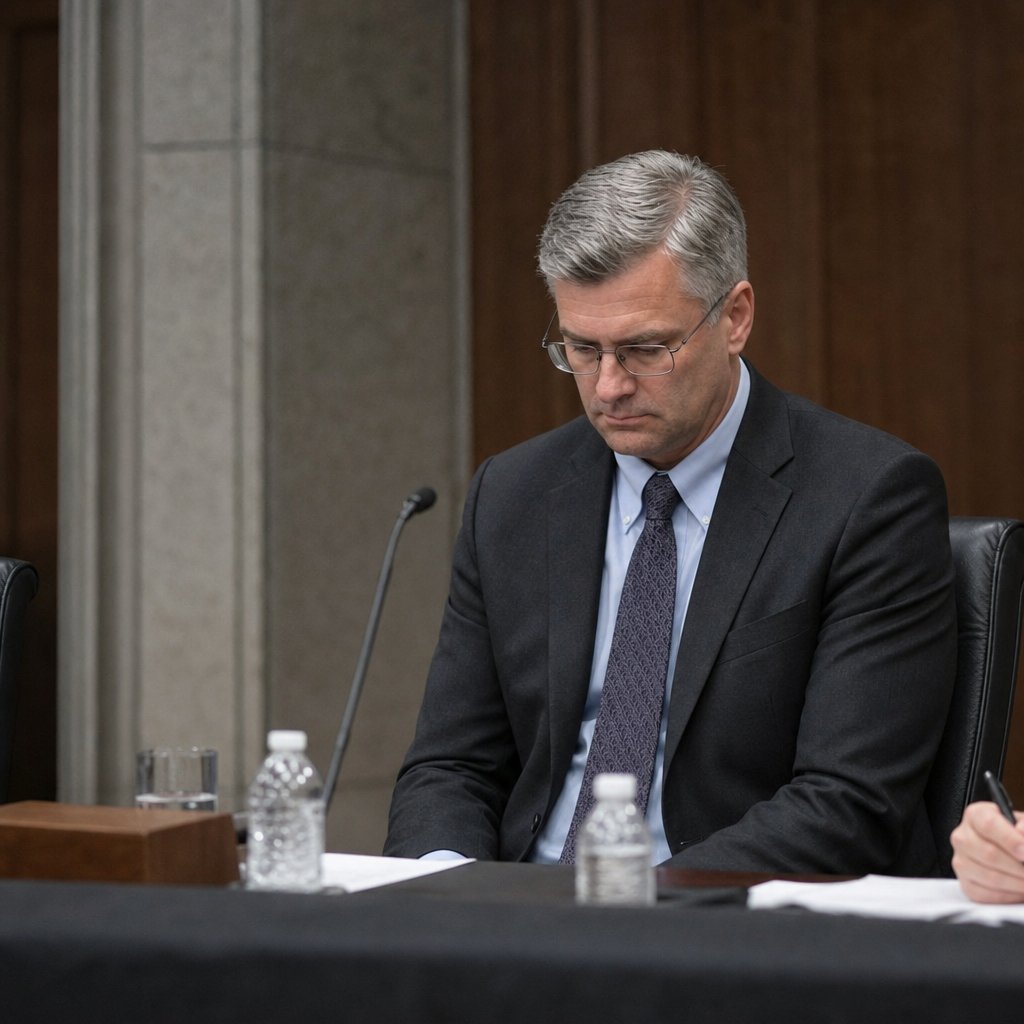
The board found Roland Pike guilty of professional misconduct. The penalties were precise and pointed. It suspended his certificate for two months, the official mark that his standing in the profession had been stripped, if only for a time. It ordered him to appear in person for a reprimand, to sit and be told to his face that he had failed the standards he was sworn to uphold. And it required him to complete an ethics course designed for teachers and education leaders, a remedial lesson for the man who had once set the example. Each piece of the penalty drove home a single message: the conduct of a school leader is not confined to school hours, and a respected title is no shield. The principal who had moved boxes through the dark had now been called fully to account. But it was the board's parting statement that lingered.
A Line That Lingers

In explaining its decision, the board distilled the whole strange affair into one principle. It said it was important to show, in its words, "that behaviour that breaches the standards of the profession will be sanctioned appropriately... even if the behaviour occurs outside of the classroom." That was the heart of it. Roland Pike's crime had nothing to do with a lesson plan or a hallway or a single one of his students. It happened at a border crossing, in the dark, in the trunk of his own car, in the name of a father's indulgence of his teenage son. And still it cost him a conviction, a fine, a public reprimand, a suspension and his job. A lifetime of trust, undone by boxes of imitation guns. So here is the question worth sitting with. If a principal will smuggle for his own child, how much should we really trust the people we hand ours to every single morning?
A dramatized retelling based on real teacher-discipline records. Names, locations, and identifying details have been changed. Any resemblance to actual persons is coincidental.