




The Veteran No One Suspected

For four decades, Wade Coleman was the man you trusted with your kids. Licensed to teach back in 1969, he had outlasted principals, curricula, and entire generations of students at a school board in Ohio. Parents remembered him from their own childhoods. Colleagues described a steady, unremarkable veteran who arrived early and never raised his voice. He was the kind of teacher a community stops noticing precisely because he had always been there, a fixture as ordinary as the flagpole out front. That was the version of Wade Coleman the public knew. But there was another version, one that lived entirely outside the classroom walls, a man capable of things no parent could have imagined. And on an otherwise ordinary evening, that hidden man would finally surface in the most violent way possible, the moment everything anyone thought they knew about him shattered.
A Double Life Begins

By day, Wade Coleman graded papers and chaperoned hallways. By night, he was something else entirely. Away from the school, his personal life had curdled into obsession. A relationship had ended, and Coleman could not let it go. The woman he had once dated had moved on, building a life with someone new. For Coleman, that ending was not an ending at all. Neighbors who saw only the genial retiring-age schoolteacher had no idea that behind the front door a quieter, darker fixation was taking hold, one that grew sharper with every passing month. He watched. He stewed. He convinced himself that what was over was not truly over. The respectable veteran teacher and the man consumed by a former relationship were the same person, and the distance between those two lives was closing fast, faster than anyone around him realized.
The Order He Ignored
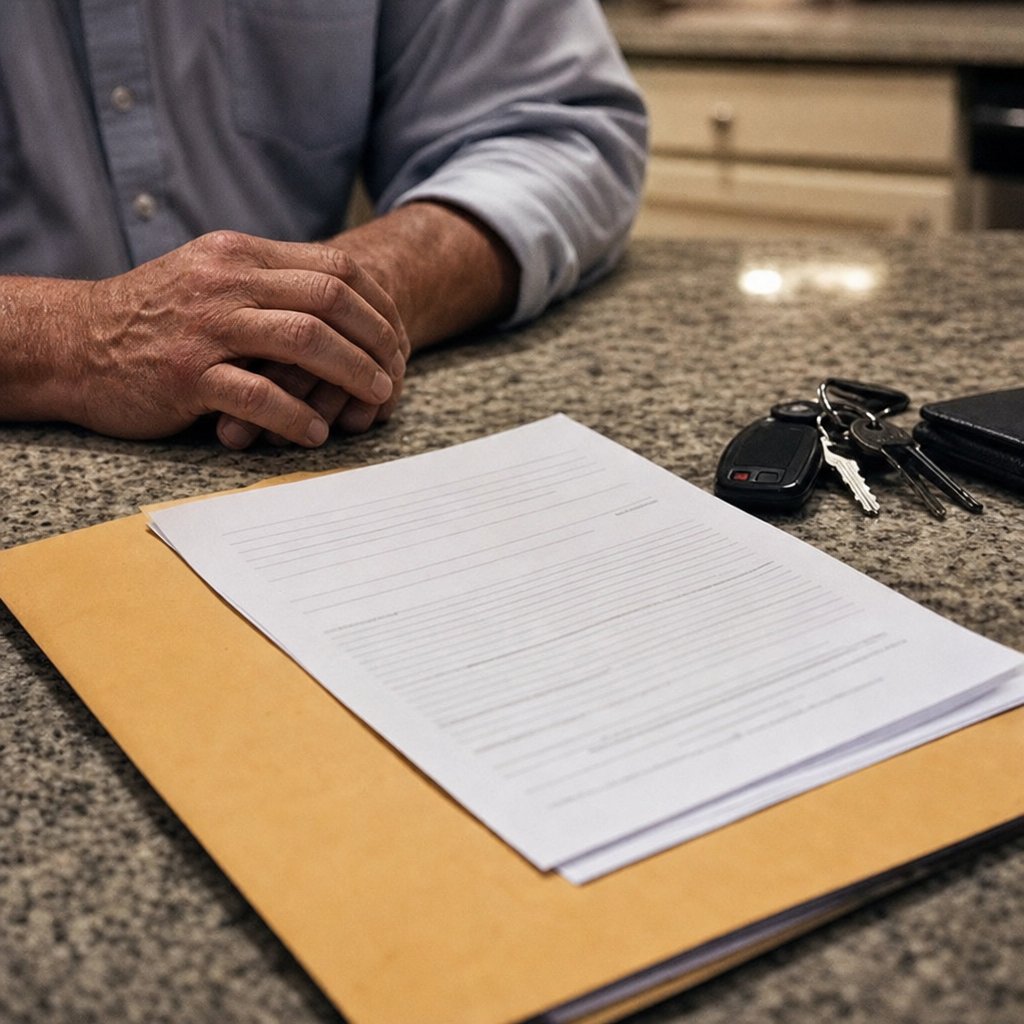
It got bad enough that the law had to step in. A restraining order was issued against Coleman, a formal command to stay away from the woman who had once been his girlfriend. To most people, such an order is a wall, a line not to be crossed. To Wade Coleman, it was barely an inconvenience. He harassed her anyway. He breached the order meant to keep them apart, treating a court's instruction as something that applied to other men, not to him. Each violation chipped away at the fragile barrier between his obsession and open danger. The paperwork sat in a drawer; the warnings went unheeded. Friends and family who learned of the order assumed it would be the thing that stopped him. Instead, it was merely the last formal warning he would ignore before the night his rage finally spilled onto an open road, with a car as his weapon.
Headlights On The Road
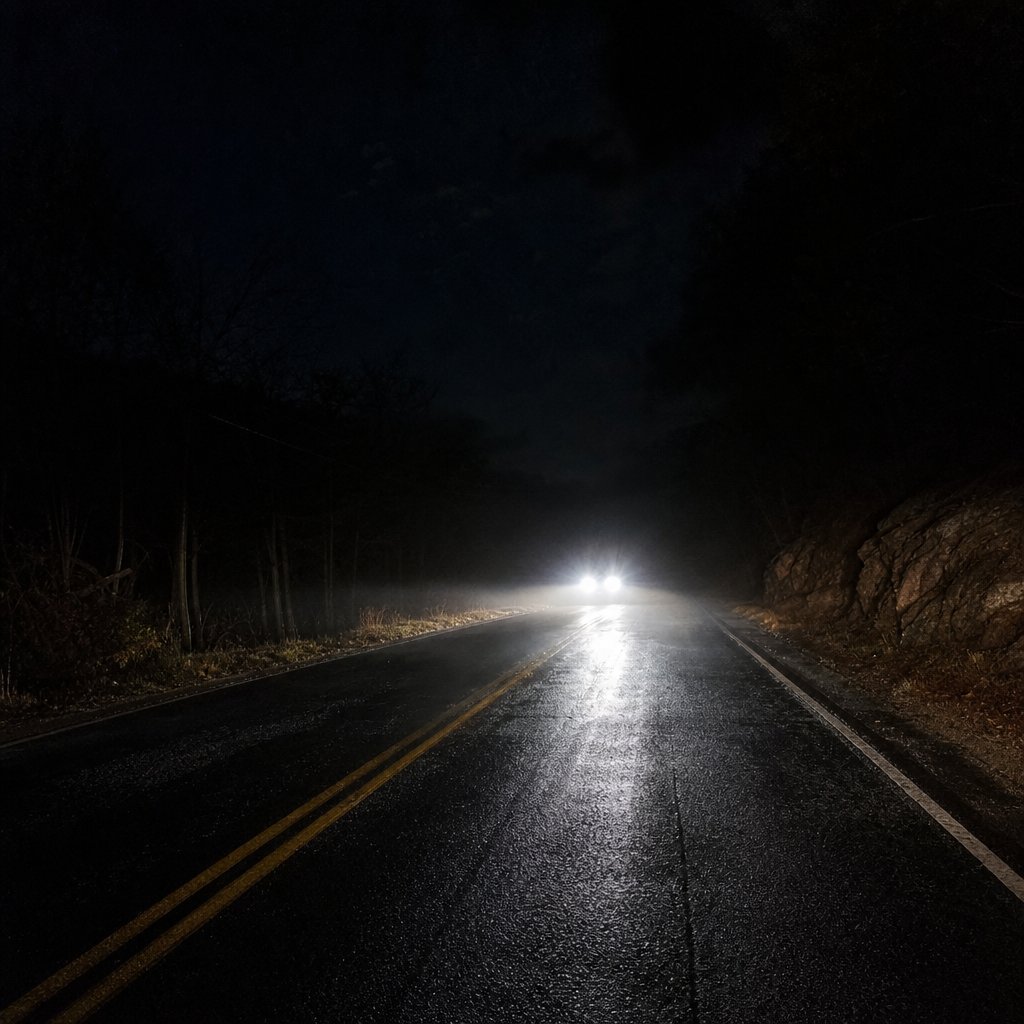
The breaking point came on the road. The woman's current boyfriend was behind the wheel, an ordinary drive on an ordinary night, when Coleman found them. What happened next was not an accident, not a moment of panic, but something deliberate. Coleman, driving his own vehicle, turned the machine itself into a weapon. He did not shout. He did not confront. He simply aimed two tons of steel at the man who had taken the place he believed was his. In the dark, headlights swung and tires screamed. A quiet stretch of pavement became the stage for a veteran teacher's private war, a war the man in the other car never knew he was part of until it was already crashing down on him. And Coleman was only getting started, because the first impact would not be the last.
Twice He Struck

Once was not enough for Wade Coleman. Witnesses and investigators would later piece together the brutal sequence. He rammed his vehicle into the boyfriend's car, then circled and rammed it a second time, two deliberate collisions that left no room to call it a mistake. This was a man who had decided, behind the wheel of his own car, to hunt another human being. Each strike was a choice. Each impact was intent made physical. The genial schoolteacher who had spent forty years modeling patience and restraint for children was, in those seconds, a cold and methodical aggressor, his hands steady on the wheel as he drove again into the man he hated. The crashes were violent enough to stop the other car. But the boyfriend, shaken and likely terrified, did the one thing that would put him in even greater danger. He opened his door and stepped out.
When He Stepped Out
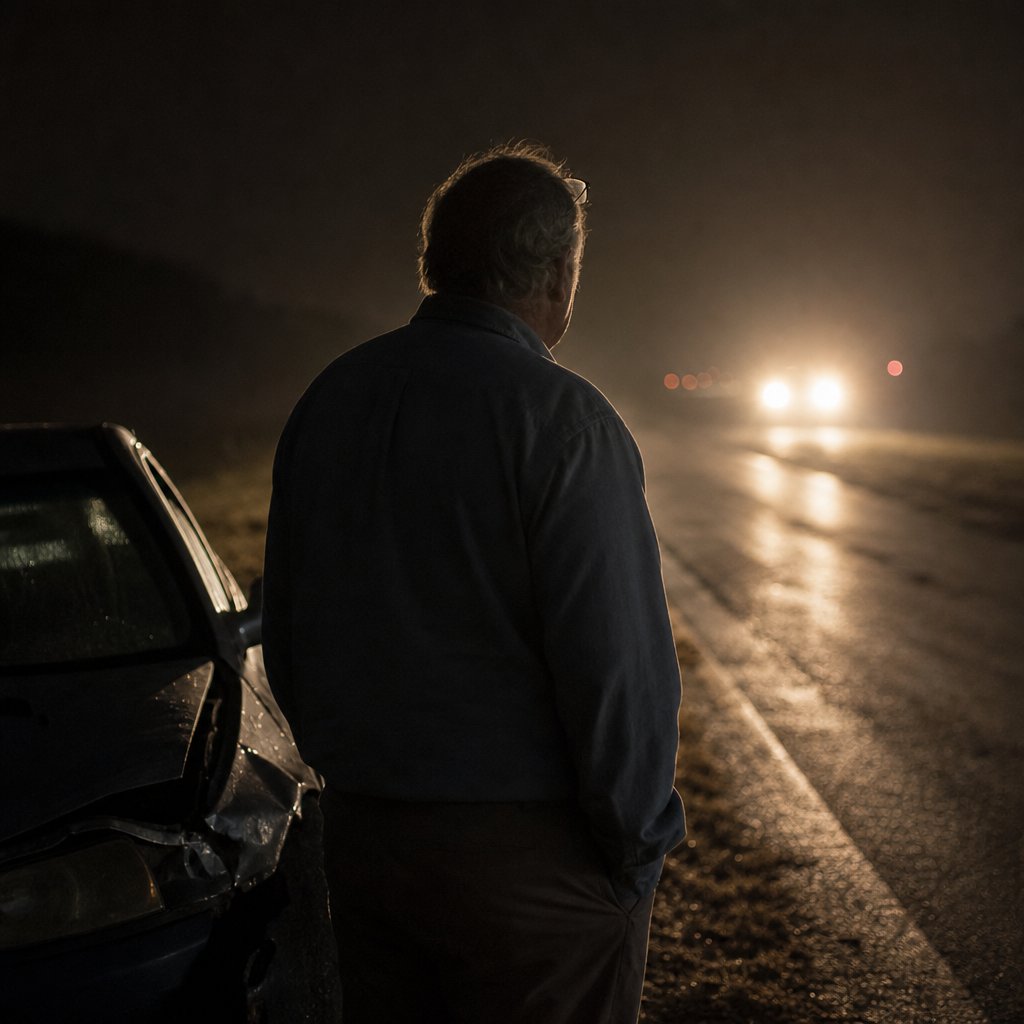
The moment the boyfriend's feet touched the pavement, Wade Coleman seized it. Instead of stopping, instead of facing the man on equal ground, Coleman drove forward and ran him over. The car that had already battered the boyfriend's vehicle now struck the boyfriend himself, causing real and lasting bodily harm. There was no confrontation, no words, only the cold momentum of a man using a machine to break another. And then, just as deliberately as he had attacked, Coleman fled. He left the injured man on the road and disappeared into the night, abandoning the scene as if he could simply drive back into his other life, back into the role of the trusted veteran teacher. But there was no driving away from this. Investigators were already piecing it together, and the respectable forty-year career was about to collide head-on with five criminal charges.
Five Charges, One Word

When the charges landed, they were staggering for a man who had spent his life in a classroom. Wade Coleman faced five criminal offences, and among them sat the gravest word a courtroom can hold: attempted murder. This was no longer a story about a soured relationship or a violated order. A jury would have to weigh whether a veteran teacher had tried to kill another man with his car on a public road. The evidence told a damning story, the two deliberate impacts, the running down of a man who had stepped from his car, the flight from the scene. One by one, the counts stacked against him. The community that had trusted Coleman with its children now read his name beside the language of violent crime. And as the trial closed and the verdicts were read aloud, the full weight of what this teacher had done was about to become official.
Guilty On All Counts

The verdict left no ambiguity. Wade Coleman was found guilty, including of attempted murder, the most serious charge he faced. The deliberate rammings, the running down of an injured man, the cold decision to flee, the court accepted it all. A man who had stood at the front of classrooms for forty years would now stand for sentencing as a violent offender. The judge handed down six years in prison. The trusted veteran, the early arriver, the fixture as familiar as the flagpole, was led away to serve his time behind bars. For the community, the math was almost impossible to absorb: four decades of teaching, ending in a cell. But Coleman's reckoning was not finished. While he sat incarcerated, a different kind of authority was preparing to weigh in, one that would decide whether he had any right to ever call himself a teacher again.
The Hearing He Skipped
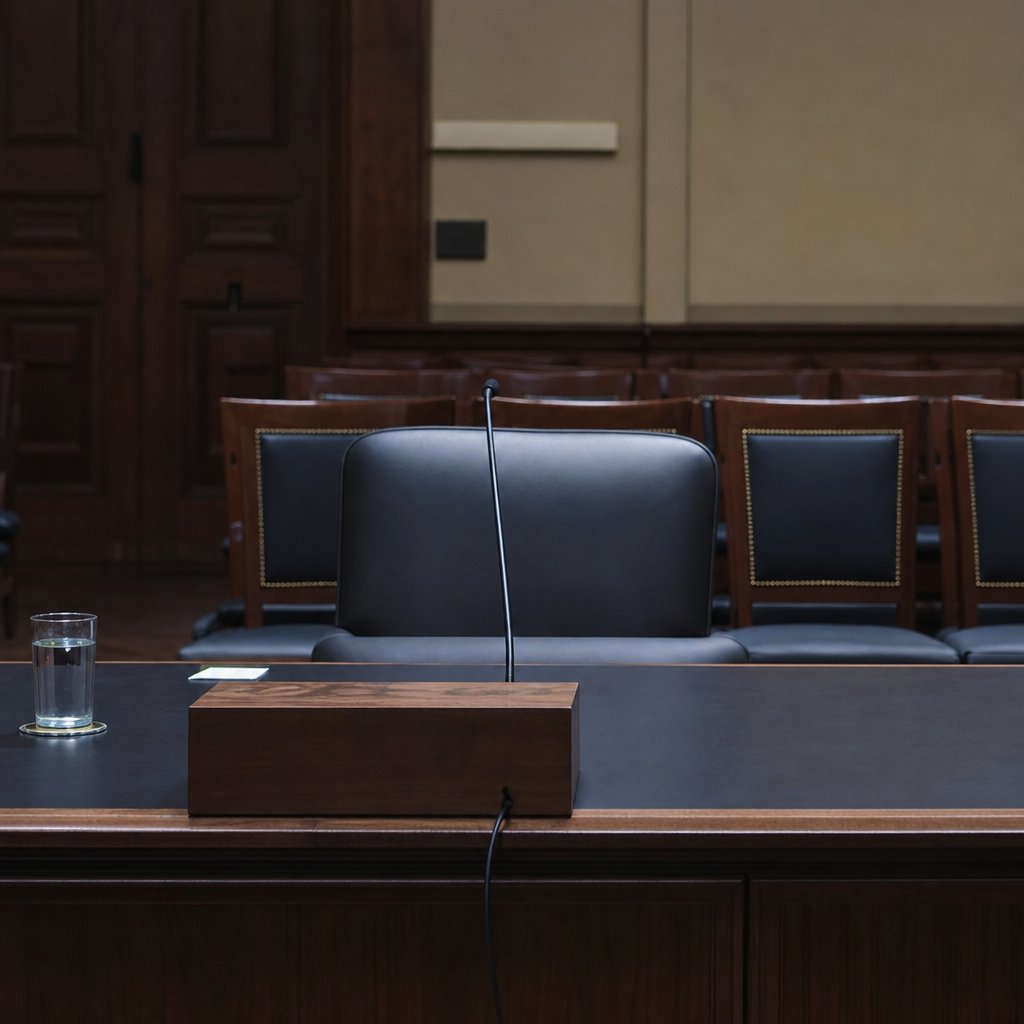
While Wade Coleman sat in prison, a teachers' disciplinary board took up his case. The question before the board was not whether he had broken the law, the courts had already settled that, but whether a man convicted of attempted murder could remain a member of the profession entrusted with children. A hearing was scheduled. And then something telling happened: Coleman did not attend. He sent no lawyer, mounted no defense, offered no explanation or apology. The chair where the teacher should have answered for himself sat empty, a silence that spoke as loudly as any testimony. The board would have to render its judgment without him, weighing a forty-year career against five criminal convictions and the cold violence of that night on the road. The man who had ignored a restraining order now ignored the hearing that would decide his professional fate, and the board was about to respond in kind.
The Career Erased
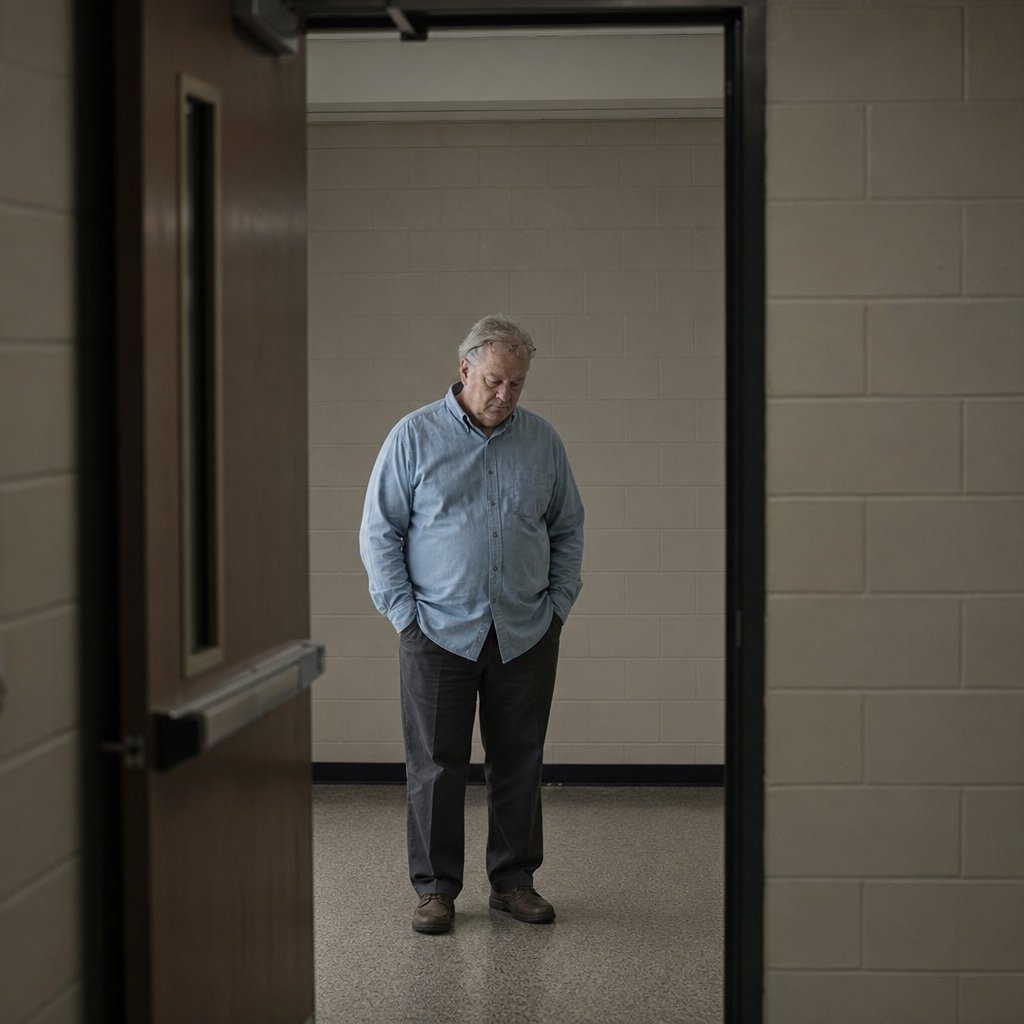
The board did not hesitate. It found Wade Coleman guilty of professional misconduct and revoked his teaching certificate outright, erasing in a single ruling the credential he had held since 1969. Forty years of standing at the front of a classroom, gone, stripped from a man who had used his own car to try to kill another and then fled into the dark. There was a grim symmetry to it: the teacher who had skipped his own hearing was given no second chance, his license cancelled while he served his six-year sentence. The trust a community had placed in him for decades had been answered with violence, and the profession he had belonged to for a lifetime wanted no part of him anymore. The flagpole still stands. The classroom moved on. But one question lingers over the whole staggering descent. When a forty-year veteran hides a life this violent, should anyone have seen it coming?
A dramatized retelling based on real teacher-discipline records. Names, locations, and identifying details have been changed. Any resemblance to actual persons is coincidental.