




Eight Years Behind Bars
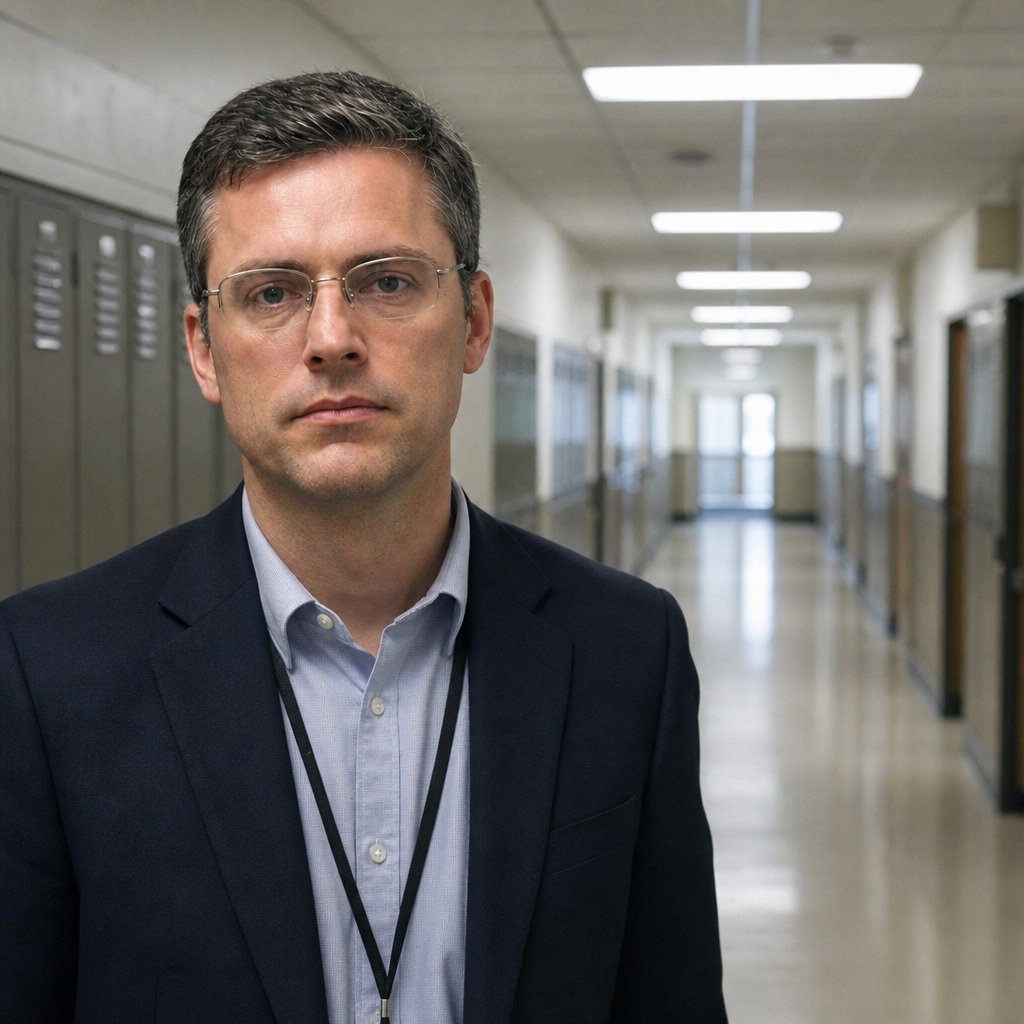
On paper, Martin Kessler was exactly the kind of man parents wanted in front of their children. He had earned his teaching credentials in 2006, stepped into a Wisconsin classroom, and spent years building the steady, unremarkable reputation of a dependable educator. Colleagues knew him as quiet and orderly. Students knew him as the teacher who always showed up early. Nobody who passed him in the hallway, lanyard swinging, briefcase in hand, imagined what he was capable of after the final bell. Because the man who graded papers by day was leading a second life nobody could see. And one night that hidden life would explode into eight years and four months in a prison cell, a sentence that would obliterate everything he had built. The question that would haunt the small district for years was simple. What had this trusted teacher actually done?
The Man In Front Of The Class
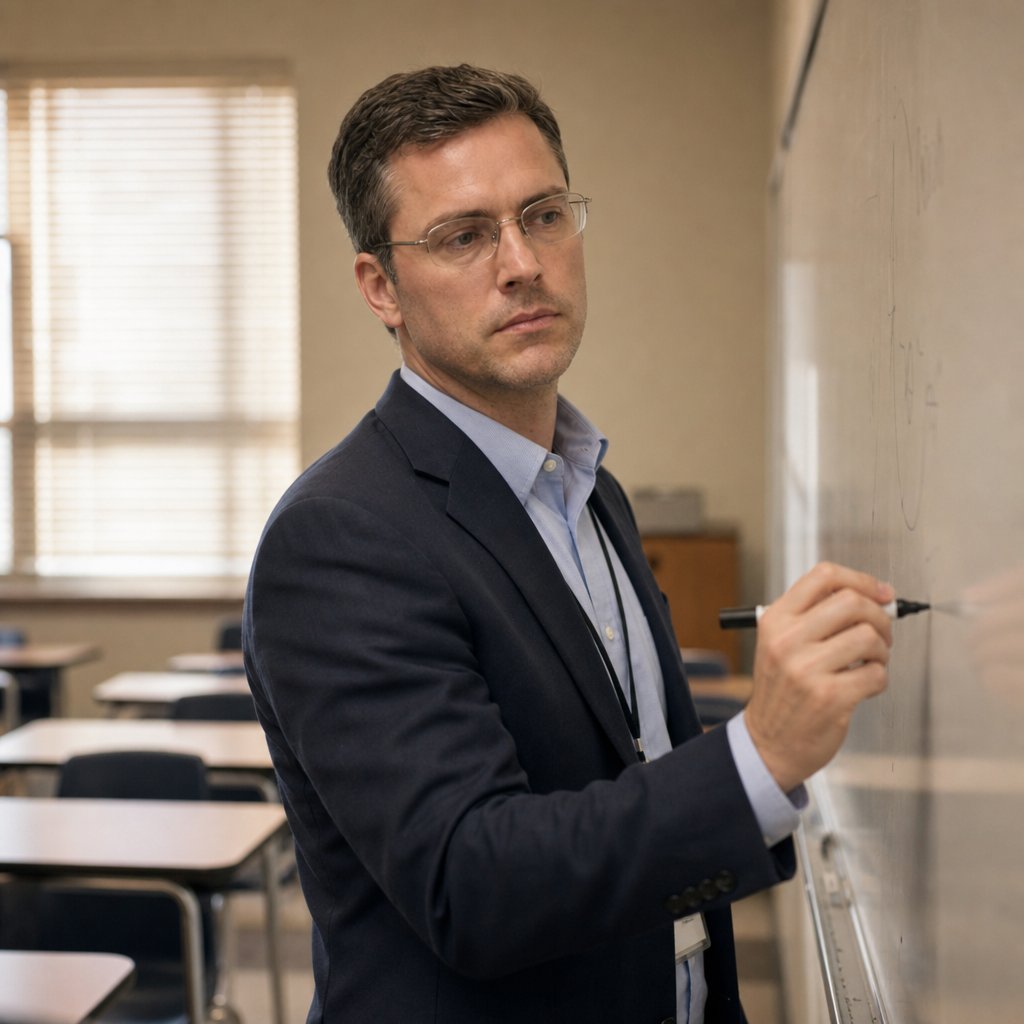
To understand the shock, you have to understand the ordinariness. For years Kessler was simply a fixture of the school. He kept his classroom tidy and his lesson plans on schedule. He nodded politely in staff meetings and rarely raised his voice. There were no whispered complaints, no flagged incidents, no warning signs scrawled in a personnel file. He was, by every account available to the public, a competent and forgettable professional, the kind of teacher who blends into the institution until you forget he is there at all. That invisibility was the point. While the school saw a mild, rule-following educator, the rest of his hours belonged to a world the district knew nothing about. A world of risk, of secrecy, and eventually of loaded firearms. The gap between the two Martin Kesslers was about to become a chasm nobody could explain.
A Life Nobody Could See
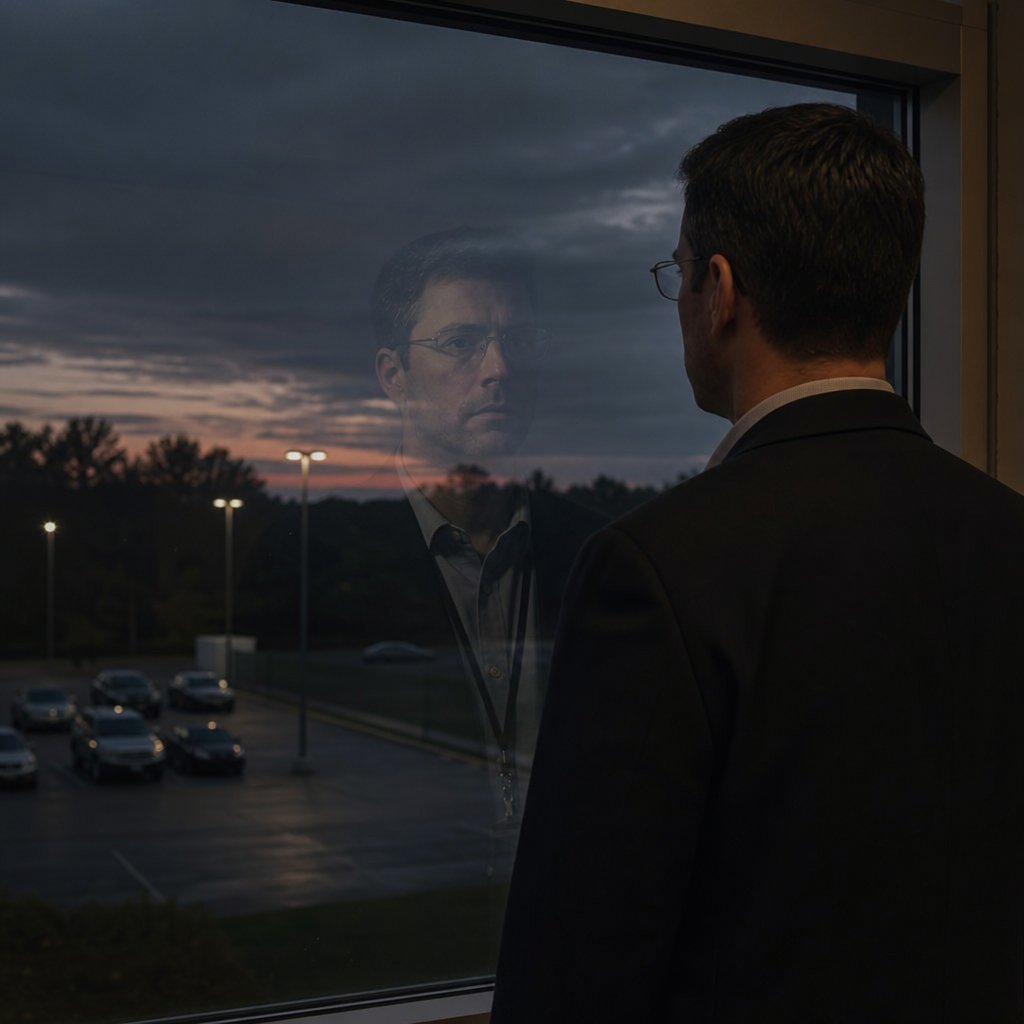
Every double life runs on a wall of separation, and Kessler had built his carefully. By day he was the model employee. By night he moved through a different landscape entirely, one that had nothing to do with grade books or parent emails. The details of that private world stayed hidden from the people he worked beside, and that was exactly how he wanted it. No one in the staff lounge knew. No one supervising his classroom suspected. The line between the respectable teacher and the man in the dark held firm for years, right up until the moment it shattered completely. Because hidden lives have a way of erupting, and Kessler's was building toward something violent. One night, on a road far from any schoolyard, the second Martin Kessler would step fully into the light, with a prohibited weapon in his hands and another person's life in his grip.
The Night It Erupted
It happened away from the school, away from the children, away from everything that had defined his public life. On an ordinary night, in his private world, Martin Kessler crossed a line that could never be uncrossed. He took hold of another person against their will and refused to let them go. This was not a misunderstanding or a heated argument that spiralled. It was a kidnapping, a deliberate act of seizing control over a human being who wanted nothing more than to be free. And he was not unarmed. In his possession was a firearm he had no legal right to carry, a weapon that turned a frightening situation into a potentially deadly one. The mild teacher who tidied desks and arrived early was now holding a person captive at gunpoint. Whatever chain of events had led him here, there was no innocent explanation waiting at the end of it.
Captive At Gunpoint
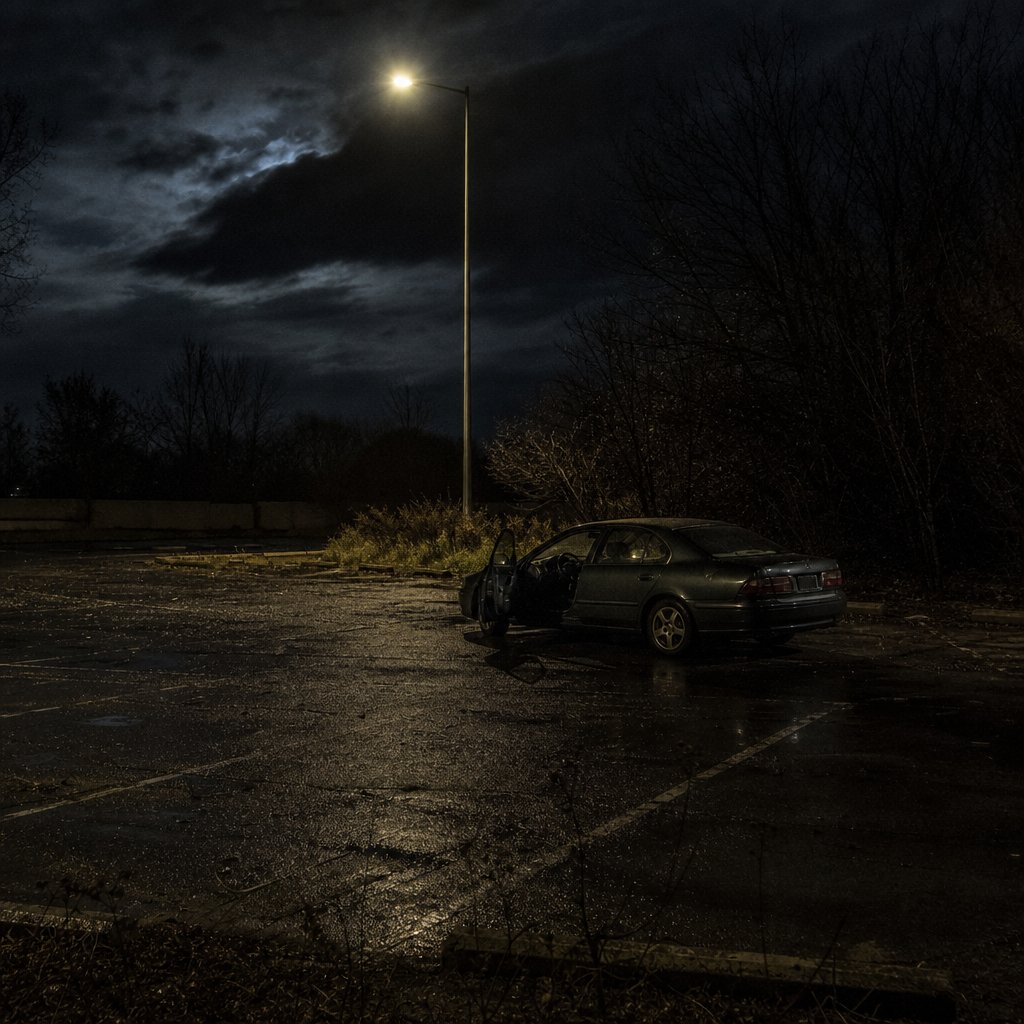
For the person caught in Kessler's grip, the night must have stretched into an eternity of fear. They were a captive, controlled by a man who had a weapon and the will to use it as a threat. Every instinct that says a person is safe in their own community had been turned upside down. There was no negotiating with a kidnapper, no certainty about how the night would end, only the cold reality of being held against your will by someone armed and unpredictable. This was the true Martin Kessler, stripped of the lanyard and the classroom calm, exposed as a man willing to terrorise another human being to get what he wanted. The contrast was almost impossible to reconcile. The same hands that wrote feedback in the margins of student work were now the hands of an armed abductor. And the law was about to catch up with him fast.
The Weapon He Could Not Have
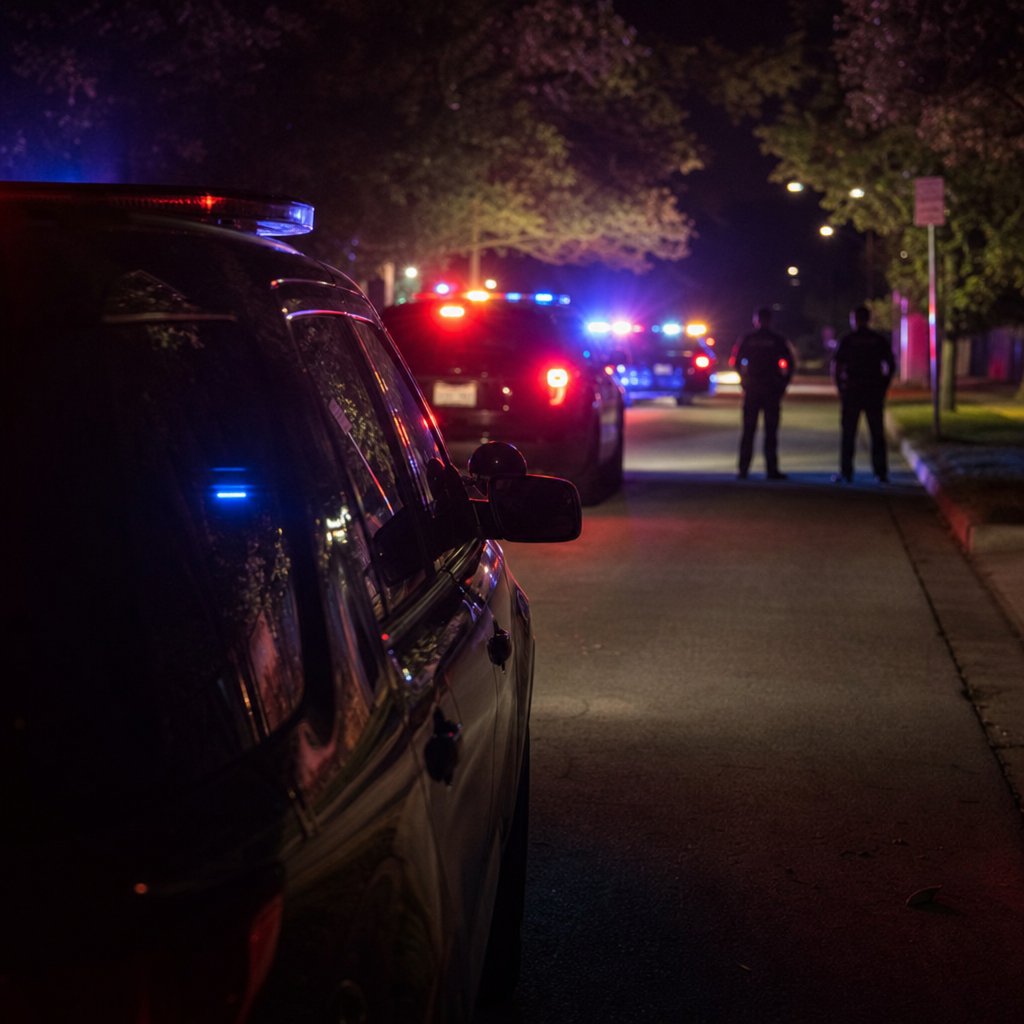
When investigators pieced the night together, the charges stacked up with brutal clarity. There was the kidnapping itself, the seizing and holding of a person against their will. And there was the firearm, a prohibited and restricted weapon that Kessler was never permitted to possess in the first place. These were not minor infractions or technical violations. They were among the most serious offences a person can face, the kind that carry years behind bars and mark someone as a genuine danger to the public. A teacher, a man entrusted with the safety of children every working day, had armed himself with a weapon the law expressly forbade and used it to commit an act of violence. The criminal justice system does not look kindly on that combination. As the case moved toward sentencing, it was clear that Martin Kessler was facing far more than a slap on the wrist.
The Sentence Comes Down

The reckoning arrived in a criminal courtroom, far from any schoolhouse. A judge weighed the kidnapping, the prohibited firearm, and the serious offences bound up with that violent night, and the verdict left no room for doubt. Martin Kessler was sentenced to eight years and four months in prison, along with other orders imposed by the court. Eight years and four months. The number landed like a hammer. The quiet, dependable teacher who had once blended into the wallpaper of his school was now an inmate, his days measured by lockdowns and head counts instead of class periods and bell schedules. Whatever life he had built was gone, traded for a cell and a release date years in the future. But the criminal sentence was only one half of his downfall. A separate body, one that governed his right to ever teach again, was now turning its attention to him. And Kessler chose not to show up.
He Never Showed Up
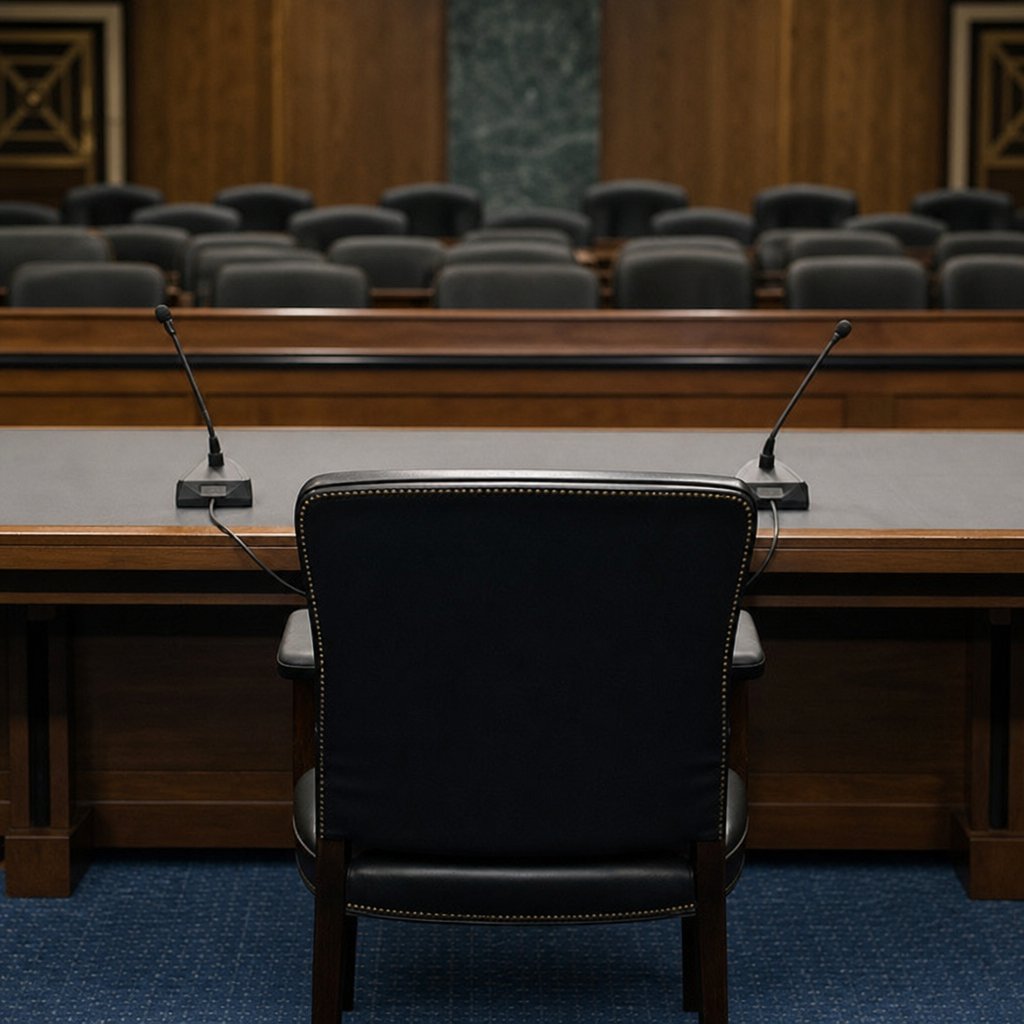
While Kessler sat in prison, a teachers' disciplinary board opened its own case against him. This was the body that decided who was fit to stand in front of a classroom, and the violent crimes of one of its certified members demanded an answer. But when the hearing came, Martin Kessler was nowhere to be found. He did not attend. He did not send a lawyer to argue on his behalf. He simply let the proceeding go forward without him, as if the right he had spent years earning no longer mattered to him at all. Perhaps he knew there was nothing left to defend. The facts were already written in a criminal conviction, in a sentence measured in years. The board did not need his presence to see clearly what he had done. And it was preparing to deliver a judgment that would close the door on his teaching career for good.
The Board Strips His Licence
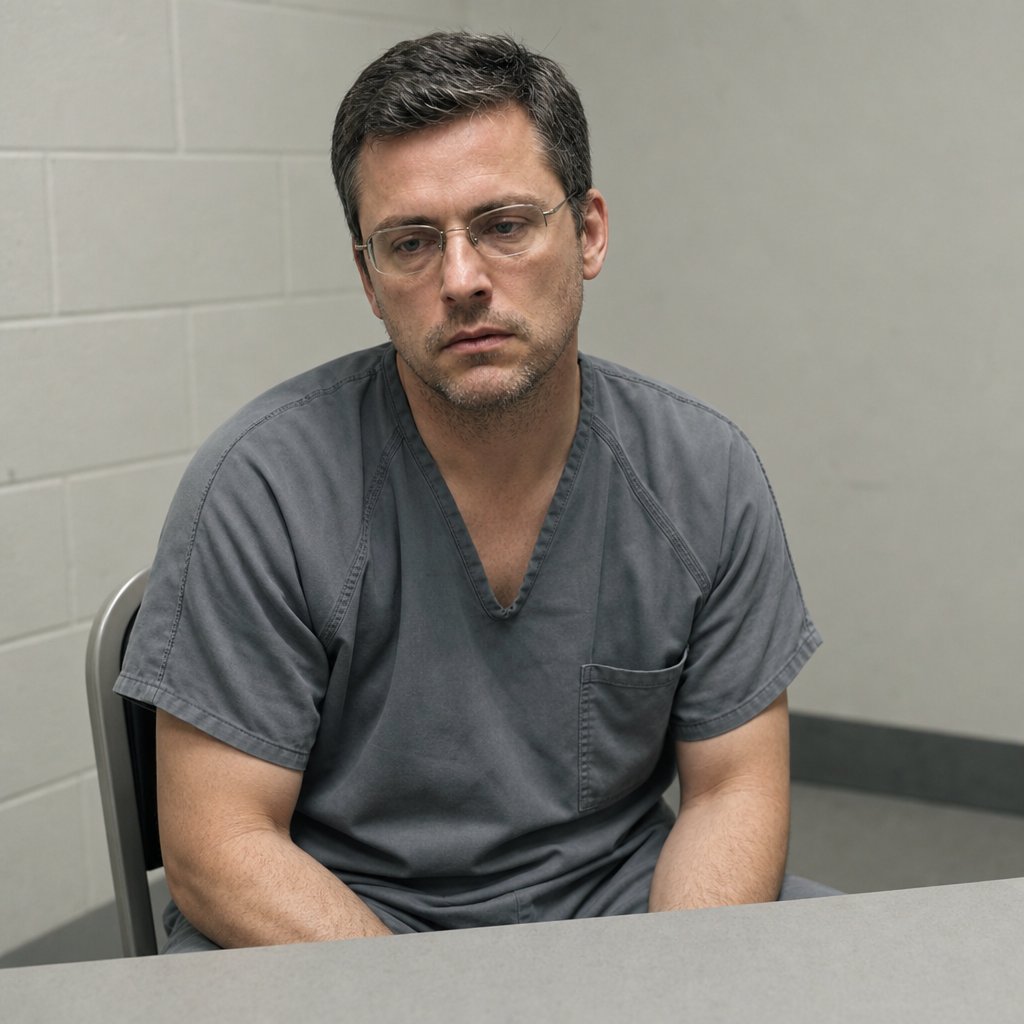
The board's decision was as firm as the criminal court's. It found Martin Kessler guilty of professional misconduct and revoked his teaching certificate, severing his right to ever teach again. The board acknowledged something striking. Kessler's crimes had not happened in a classroom and were, in its words, not directly related to the education setting or the school community. The kidnapping, the firearm, the violence, all of it belonged to his private life. And yet that distinction offered him no shelter. His criminal conduct, the board concluded, had undermined the public's trust and confidence in the teaching profession itself. A community must believe that the person standing before its children is safe, and Kessler had shattered that belief in the most violent way imaginable. The man who once arrived early and graded by the rules was finished as a teacher, his name now a cautionary tale.
Two Lives, One Ending
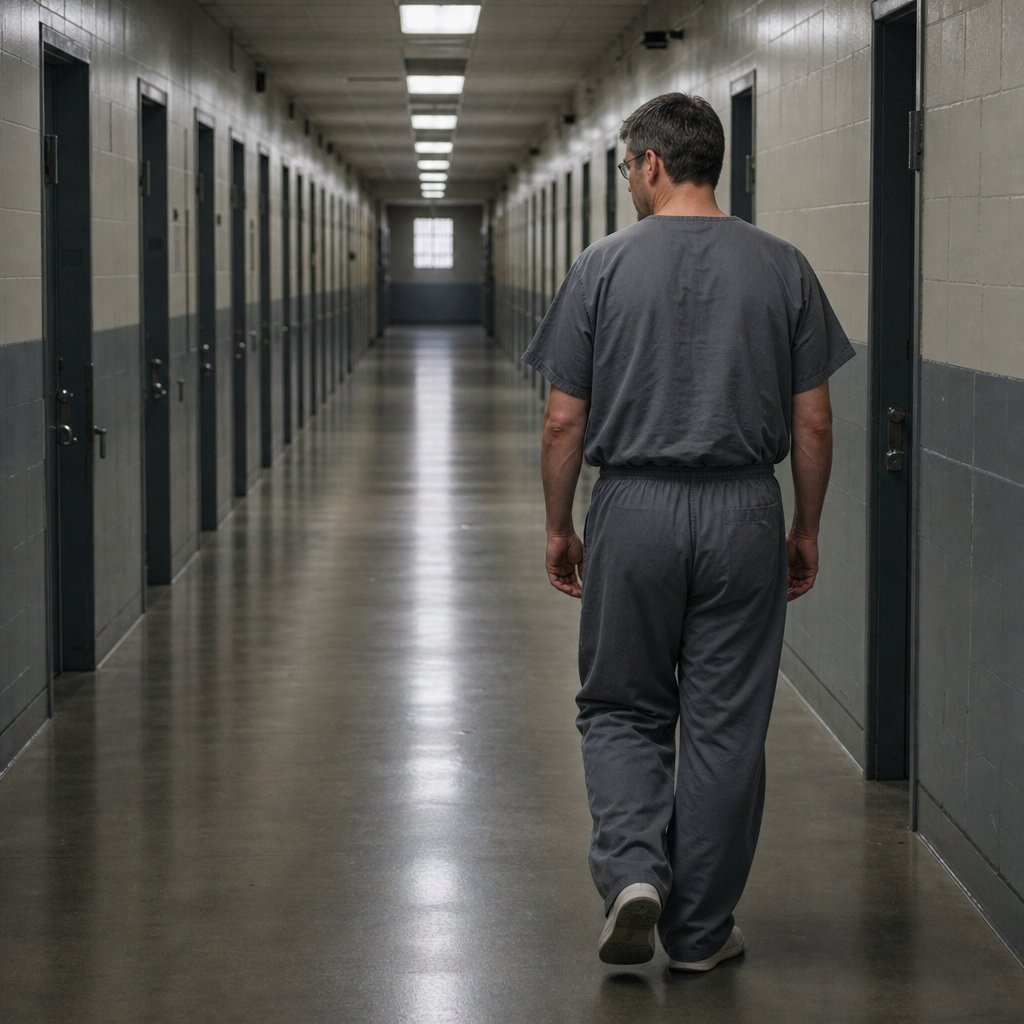
In the end, the two Martin Kesslers collapsed into one. The composed teacher and the armed kidnapper were never really separate people, only the public and private faces of the same man, and the violent one had been there all along. He had spent years earning trust he was never entitled to keep, hiding a capacity for terror behind a lanyard and a tidy desk. Now both halves shared the same fate, locked behind the same prison walls, stripped of the same career. A district that once relied on him was left to wonder how a man could stand before children by day and hold a person captive at gunpoint by night, and how many quiet, dependable colleagues might be hiding lives no one can see. If a teacher's worst crimes happen far from the classroom, should they still be allowed to ever teach again?
A dramatized retelling based on real teacher-discipline records. Names, locations, and identifying details have been changed. Any resemblance to actual persons is coincidental.