



The Teacher Behind The Glass
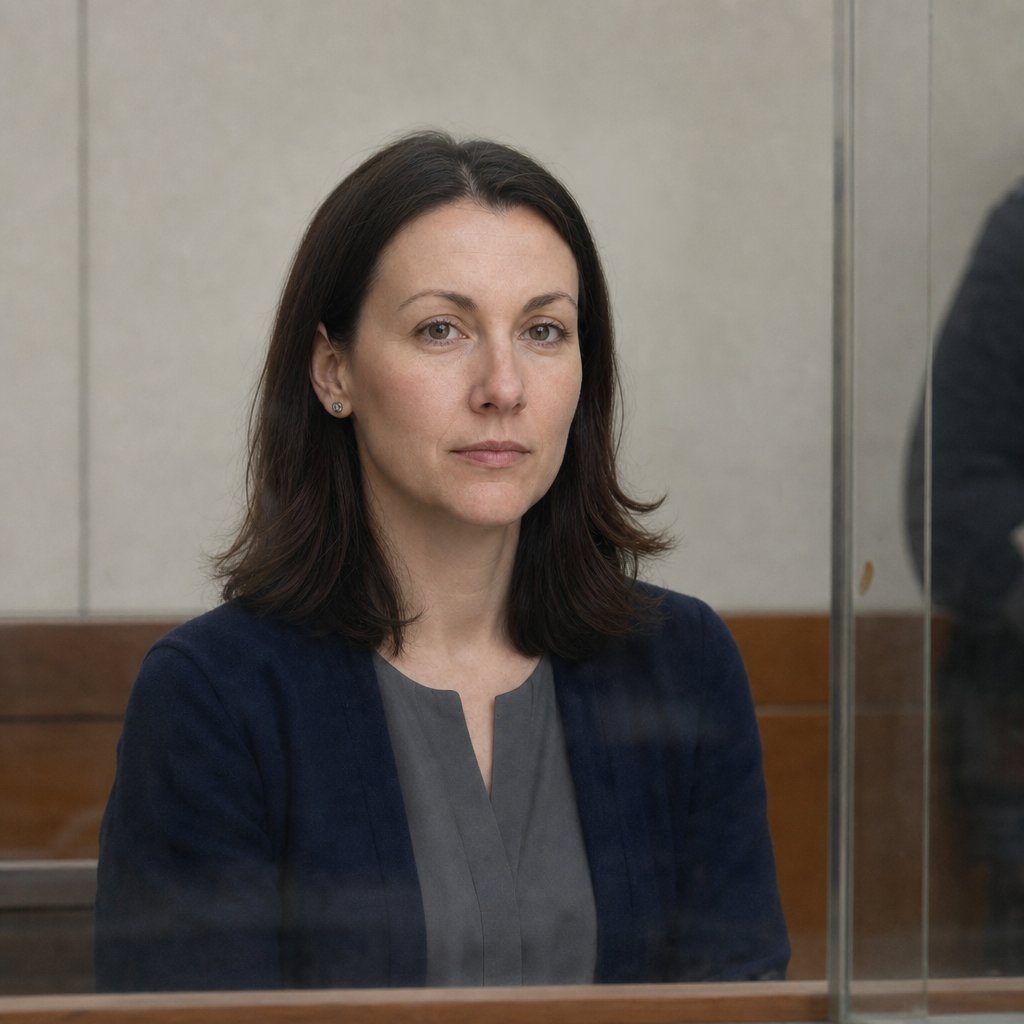
For years, Lydia Crane was the kind of teacher parents handed their trust to without a second thought. In a quiet school board in New York, she was the steady presence at the front of the room, calm, organized, the woman who remembered birthdays and graded with a soft red pen. So when she finally appeared behind a pane of courtroom glass, many who knew her assumed it was a misunderstanding. It was not. A judge had already weighed the evidence and reached a verdict that stunned the people who thought they knew her. Lydia Crane, a licensed teacher trusted to protect children, had been convicted of assaulting one. The woman with the gentle classroom voice now stood as something almost no one could reconcile. And the details that had led her here were only beginning to surface.
A License Earned With Pride

Back in 2007, Lydia Crane had crossed a threshold she'd worked years to reach. She earned her teaching license, the formal permission to stand before children and shape their days. To her, and to everyone who celebrated with her, it was a marker of arrival, proof she belonged to a profession built on care and responsibility. She knew the weight of that license. Every teacher does. It is a promise, signed and certified, that the person holding it can be trusted with the most vulnerable people in any room. For a time, Lydia seemed to honor it completely. Colleagues described her as competent, even warm. There was nothing in those early years to suggest what was coming. But the same hands that had accepted that certificate would, only a couple of years later, do something no certificate could ever excuse.
Six Months No One Saw
The cruelty did not arrive all at once. It unfolded across roughly six months, somewhere around 2009 into 2010, in the kind of slow, hidden rhythm that makes such cases so chilling. To the outside world, nothing changed. Lydia Crane still showed up, still went through the motions of an ordinary life, still wore the calm face people associated with her. But behind that face, on more than one occasion, she was harming a child. Not once, not in a single lost moment, but repeatedly, over weeks that stretched into months. Each instance was its own decision, its own choice to cross a line she of all people understood. That is what investigators would later find hardest to explain: not a single snap, but a pattern. A pattern means it kept happening. And patterns, eventually, leave marks that someone is bound to notice.
The Marks That Spoke
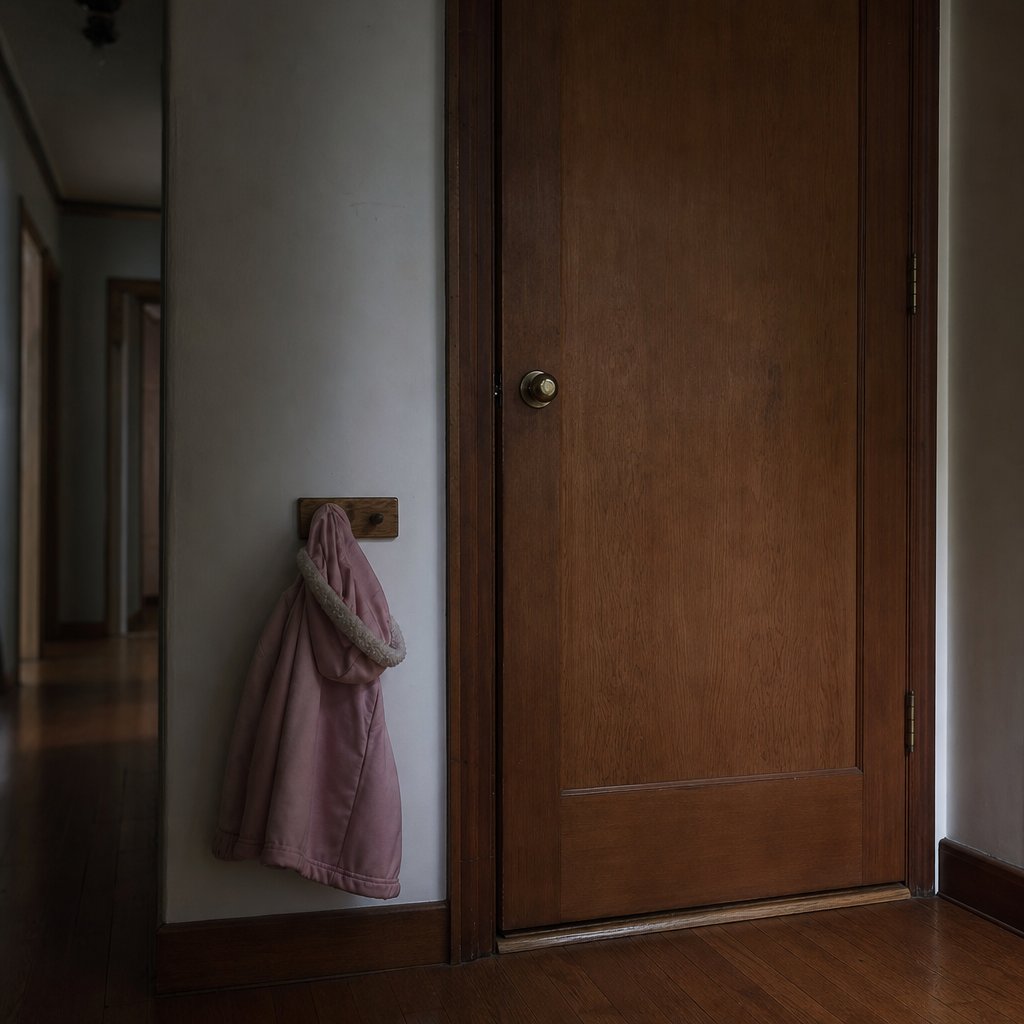
Abuse hidden for months does not stay invisible forever. In a case like this, the truth tends to surface the way it always does, in the small, undeniable evidence left on a child's body and in the things a child eventually says or shows. The harm Lydia Crane inflicted was not subtle. Over that stretch of months, a child was left with multiple bruises, the kind that don't come from ordinary childhood tumbles. Something was wrong, and to anyone paying close attention, it began to show. The quiet started to break. Questions formed where there had only been routine. Once concern hardened into suspicion, the matter moved beyond whispers and into the hands of people whose job it was to investigate. And what they uncovered about how those marks came to be would be laid out, plainly and coldly, in a court of law.
What The Investigation Found
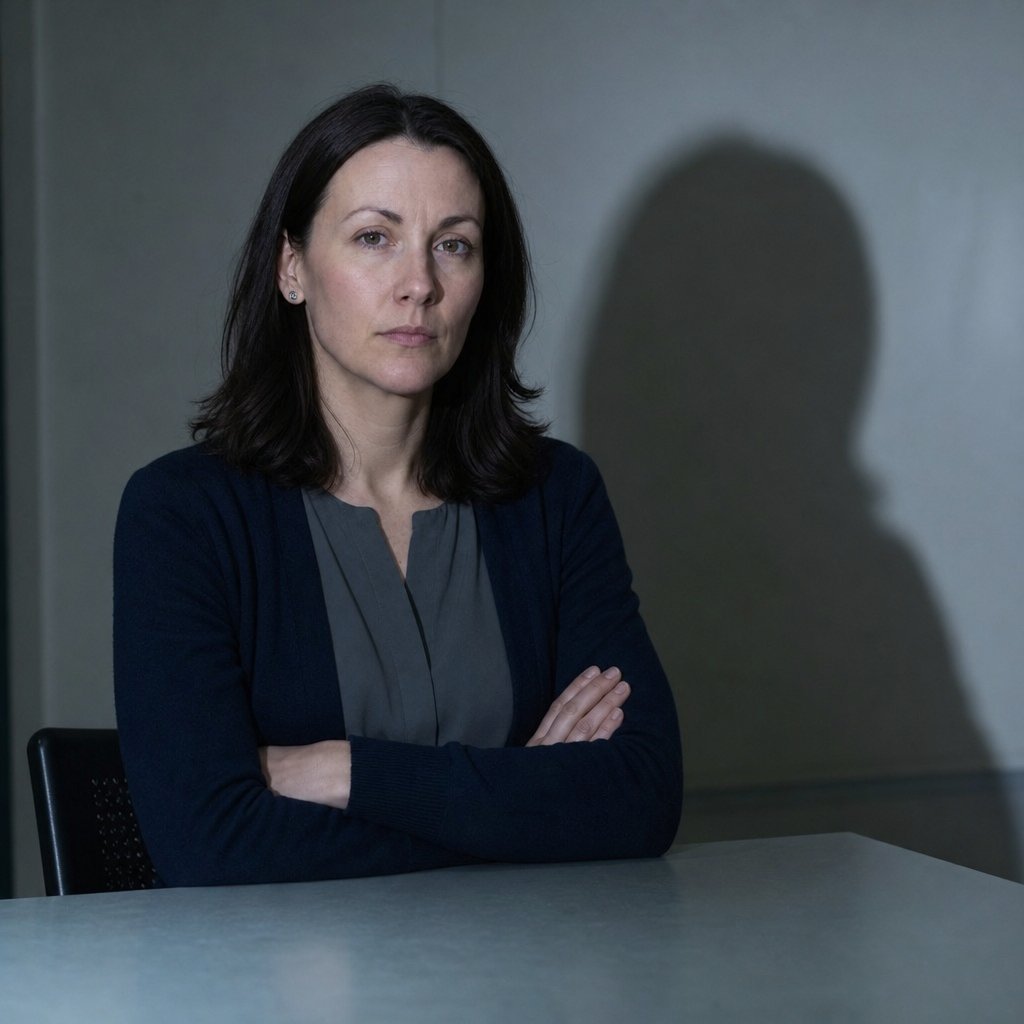
As the investigation deepened, the picture that emerged was worse than a single act of anger. The abuse Lydia Crane had carried out involved slapping, punching, pinching, and the use of a belt, methods repeated against a child across those months. Each word in that list represents a separate kind of harm, a separate choice to reach for a hand, a fist, or an object. Investigators were not piecing together one bad day. They were documenting a course of conduct, deliberate and sustained, against someone with no power to stop it. For the people building the case, the hardest part was the ordinariness of the woman at its center, a trained teacher, someone who knew exactly what cruelty does to a child. There was no longer any question of whether something had happened. The only question left was what the justice system would do about it.
Charged With Assault

Eventually, the matter became a criminal case with a name attached to it: Lydia Crane, charged with assault. The shift from suspicion to formal charges changed everything. This was no longer a private failing or an internal concern; it was a matter for the courts, with a defendant, a prosecution, and a public record. For Lydia, it meant the protective shell of her respectable life had finally cracked open. The teacher who had once stood at the front of a classroom now stood as the accused, her conduct stripped of every excuse and laid before a judge. The weight of the evidence, the bruises, the pattern, the deliberate methods, pressed toward a single conclusion. And as the proceedings moved forward, it became clear that the law was not going to treat what she'd done as anything less than what it was. The verdict, when it came, would be unflinching.
Found Guilty In Court
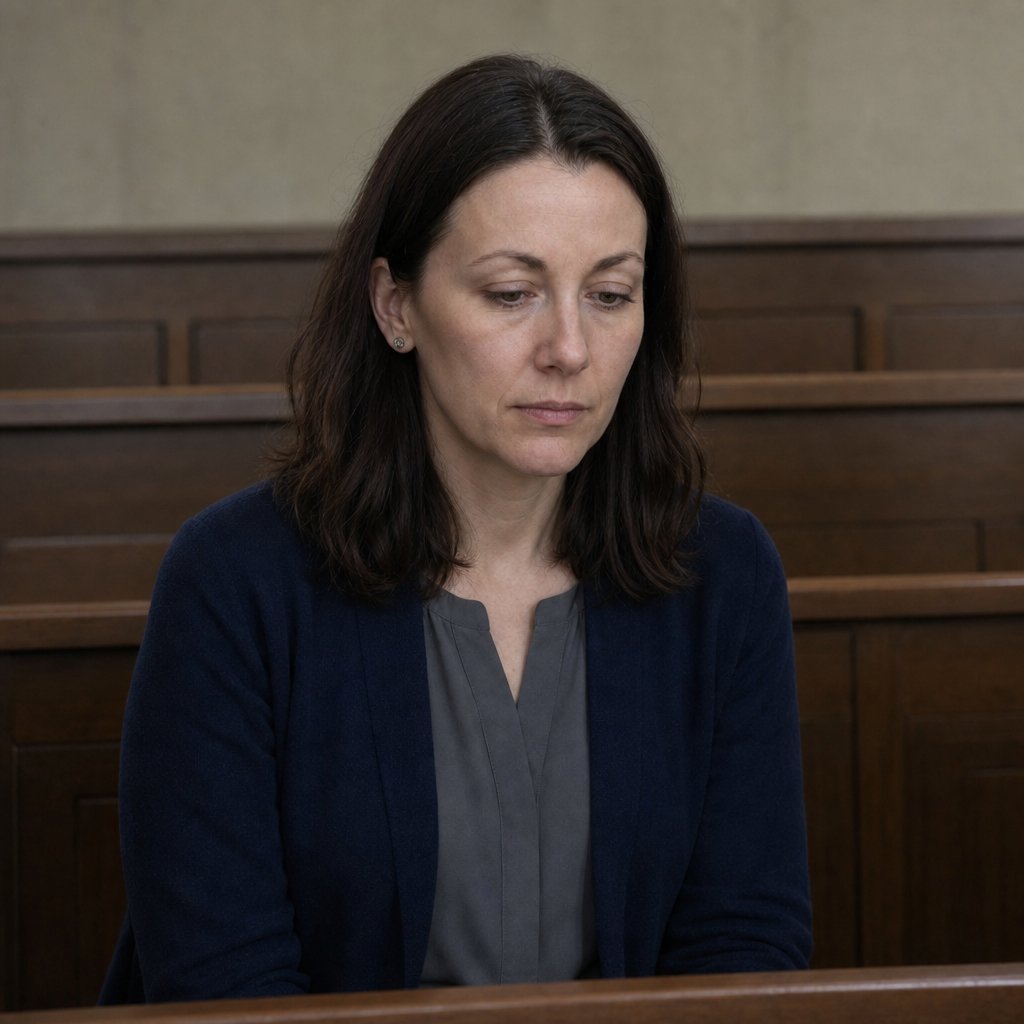
The court found Lydia Crane guilty of assault. The conviction carried real consequences: she was sentenced to four months in jail and two years of probation. For a woman who had once stood at the front of a classroom, the reversal was total. She would serve time behind a locked door, then live for years under the supervision of the very system she had once been trusted to keep children safe from. The sentence was not symbolic. It was a concrete answer to a course of conduct that the court refused to minimize. Yet for all its weight, the criminal punishment addressed only one half of who Lydia Crane was. She was still, on paper, a licensed teacher. The profession she had entered with such pride still had her name on its rolls. And the people who guard that profession were not finished with her yet.
The Hearing She Skipped
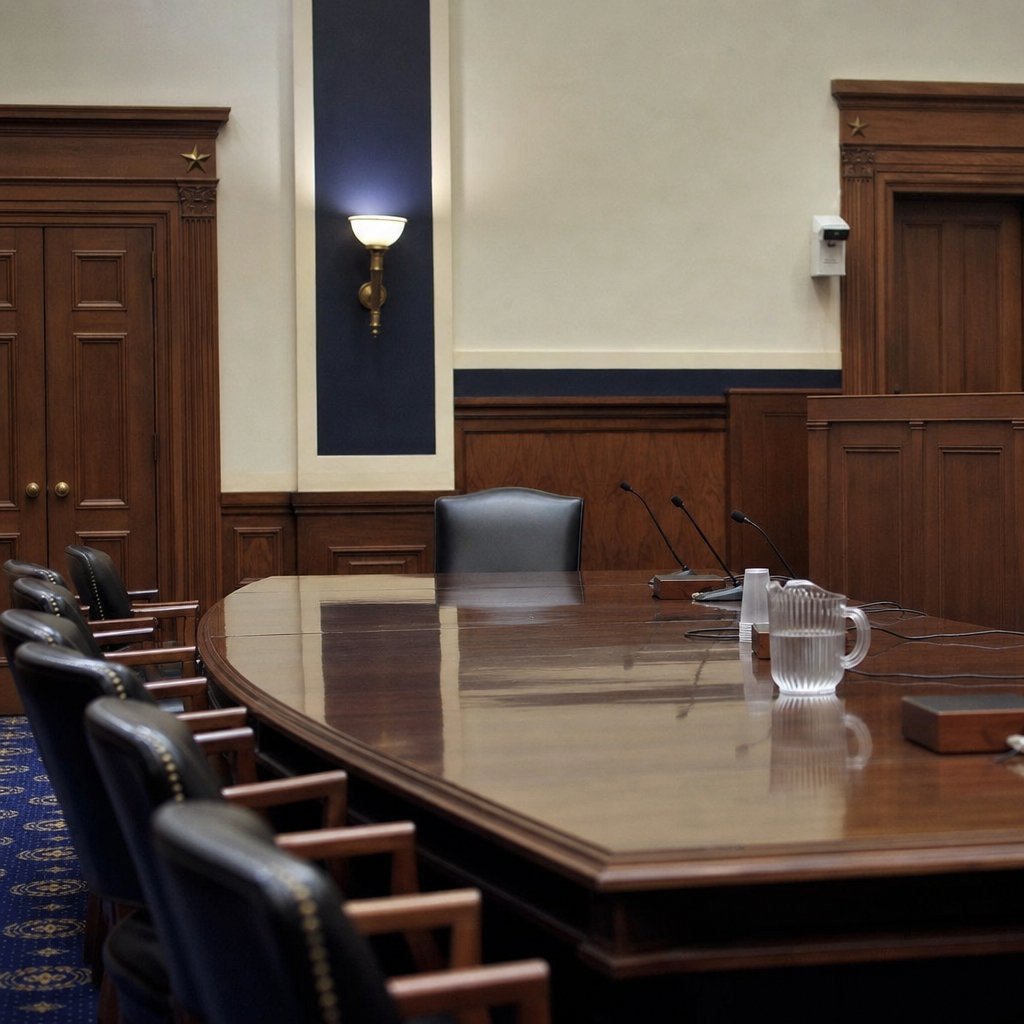
While the criminal case had run its course, a separate reckoning waited. A teachers' disciplinary board now had to decide what should happen to her standing in the profession. A hearing was set, a formal proceeding where Lydia Crane could answer for her conduct, where she could speak, defend herself, or at least appear. She did neither. Lydia Crane did not attend her own disciplinary hearing. She had no lawyer there to stand in her place. The room that should have held her held only an empty chair. Whether it was shame, surrender, or something colder, she simply was not there to face the board that would decide her fate. Her absence did not slow the proceedings. If anything, it sharpened them. The board reviewed the conduct and the conviction without a single word from the woman at the center of it. And then it delivered its judgment.
Stripped Of The Privilege

The disciplinary board found Lydia Crane guilty of professional misconduct, and its response left no room for return. It revoked her teaching certificate, the very document she had accepted with pride in 2007. In its decision, the board stated plainly that she "has forfeited the privilege of holding a teaching certificate and being a member of the teaching profession." Forfeited. Not suspended, not paused, not made to wait for a second chance. The word the board chose meant the door was closed for good. The privilege she had once celebrated, the right to stand before children and be trusted with their care, was taken from her permanently. For someone who had built an identity around that license, it was the final undoing. The teacher Lydia Crane had been was now, in every sense that mattered, erased from the profession. All that remained was the question of how a trusted teacher ever became this.
A Trust That Cannot Return
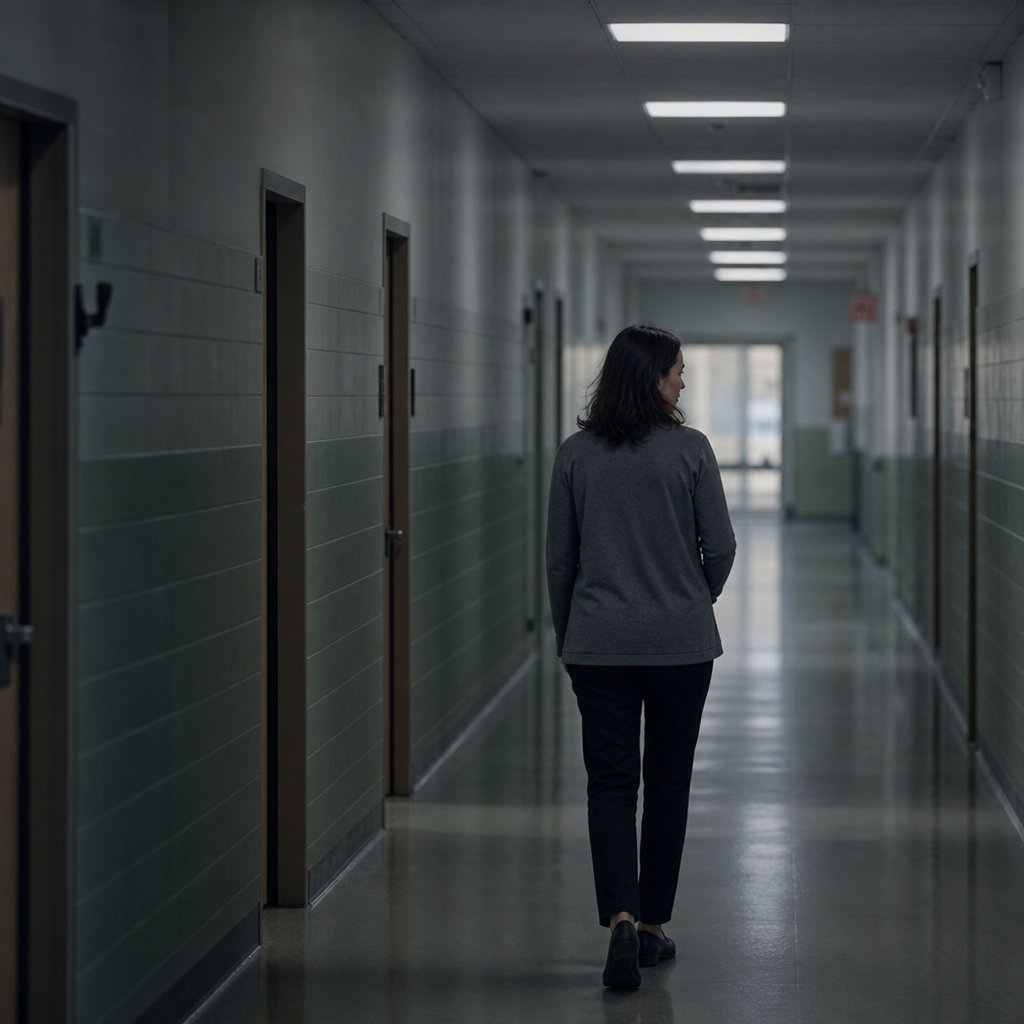
What remains of Lydia Crane's story is a hollow shape where a career used to be. She entered the profession with a license earned through years of effort, and she left it as a convicted offender barred for life from ever holding that license again. Between those two points lies a child who endured months of harm at the hands of someone who, of all people, was meant to protect. The criminal court answered with jail and probation. The disciplinary board answered with permanent revocation, refusing to let her keep even the title of teacher. Both judgments pointed at the same truth: some lines, once crossed, can never be uncrossed. The trust she shattered will not be handed back, not by any court and not by any board. She forfeited it, completely and forever. When a trusted teacher abuses a child, is a lifetime ban enough, or should the consequences go even further?
A dramatized retelling based on real teacher-discipline records. Names, locations, and identifying details have been changed. Any resemblance to actual persons is coincidental.