


The Cabinet At The Back
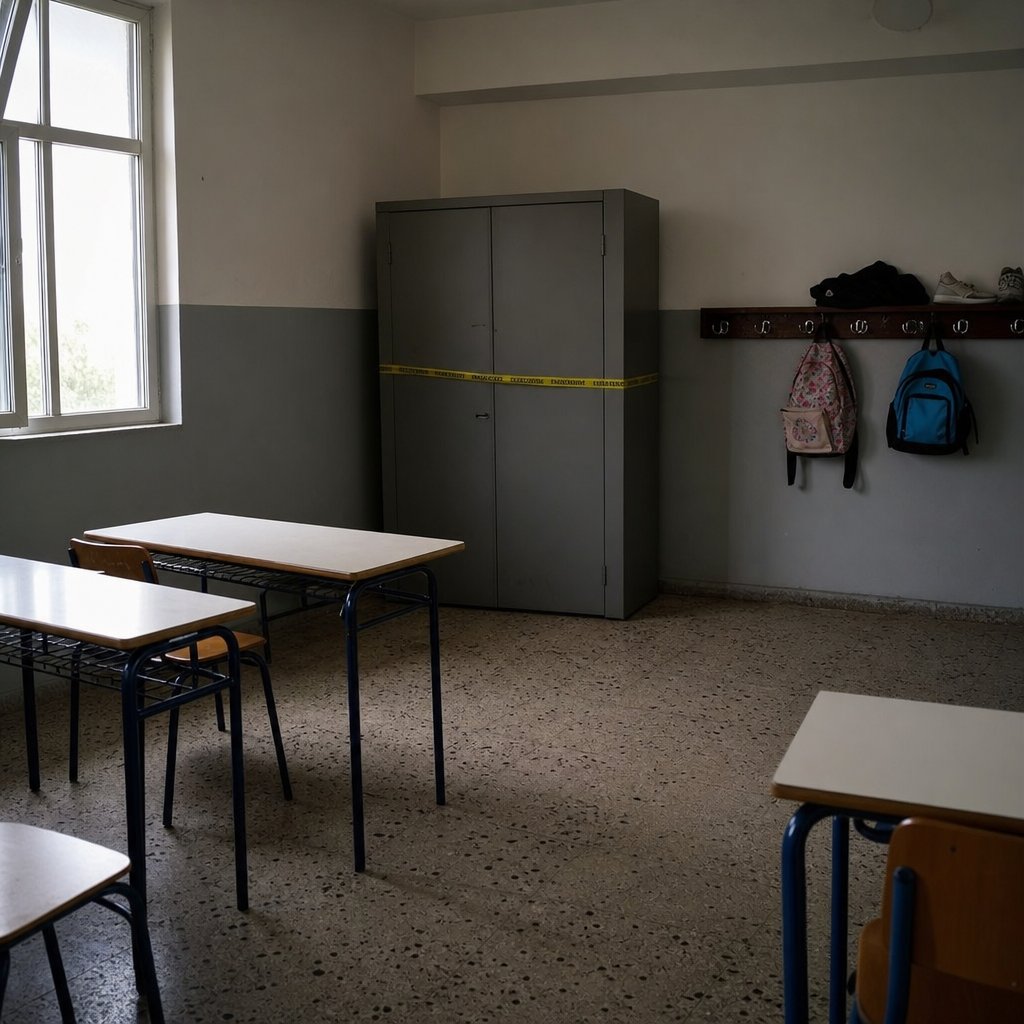
The cabinet at the back of Roger Halstead's classroom looked like every other storage unit in the building — grey metal, a little dented, the kind nobody thinks twice about. Then someone opened it. Inside, stacked among the binders and lab supplies, sat real firearms. A rifle. Boxes of ammunition. A high-capacity magazine built for a weapon designed to fire fast and often. This was not a museum display behind glass. This was a working classroom in a school board in Pennsylvania, where teenagers filed in every morning and dropped their backpacks a few feet away. The veteran teacher who kept it there had spent decades earning the trust of parents and colleagues. Now that trust was about to detonate. Because the first question investigators asked wasn't why he had them. It was something far more chilling. Who, exactly, could reach inside that cabinet?
Thirty Years Of Trust

Roger Halstead had been certified to teach since 1975. Do the math and it's staggering — a man who'd stood at the front of a classroom for the better part of half a century. To the staff in his school board in Pennsylvania, he was the fixture, the old hand, the one who'd seen every fad come and go and outlasted them all. New teachers asked him for advice. Parents remembered him from their own school days. He had the kind of weathered, fatherly steadiness that made people stop worrying about whether their kids were in good hands. That reputation was bulletproof. Or so everyone assumed. Because all those decades of trust were exactly what let something extraordinary hide in plain sight, year after year, behind a cabinet door at the back of his room. And nobody — not one colleague, not one administrator — had thought to ask what the veteran was keeping there.
A Collector's Quiet Obsession
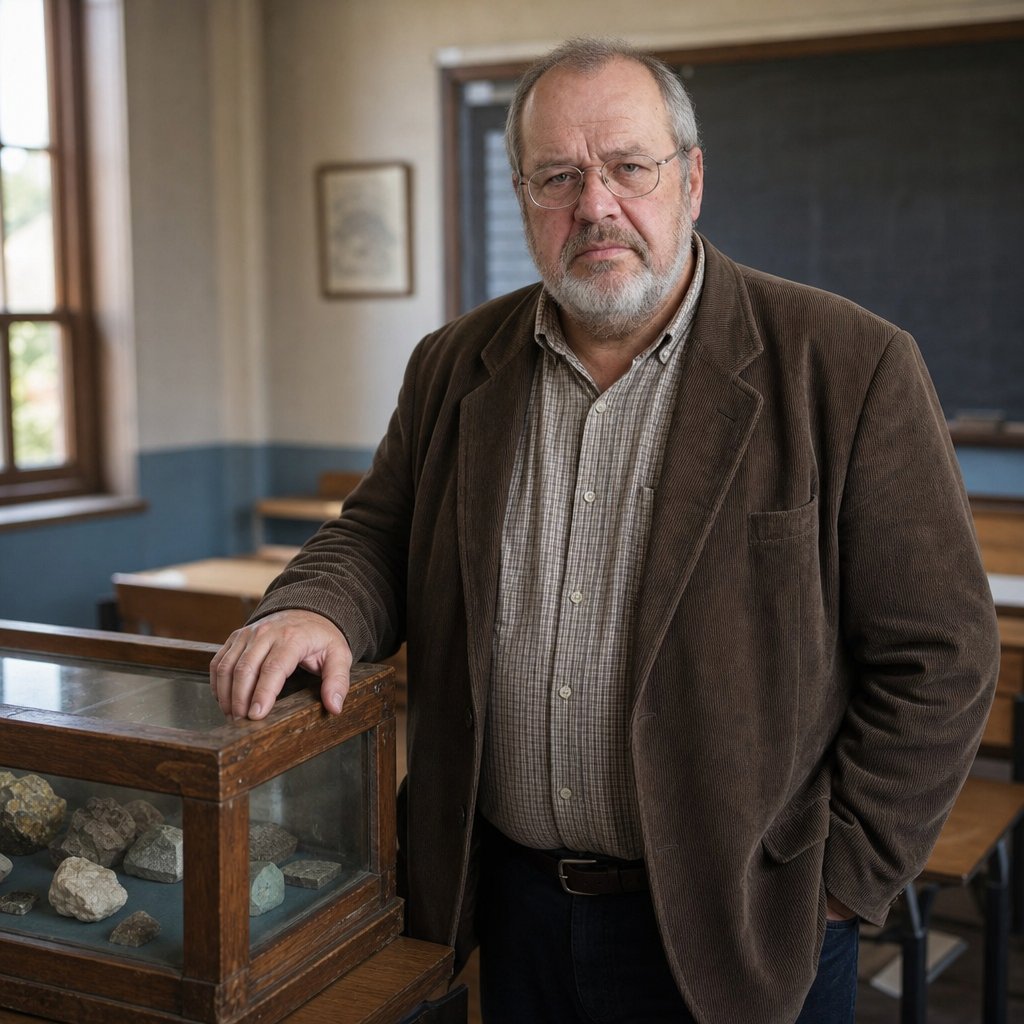
To understand it, you have to understand the man. Halstead wasn't a soldier or a hunter looking to intimidate. He was a collector — someone whose quiet obsession was with the machinery of firearms themselves, the history and engineering of them. Functional ones. Deactivated ones. Replicas built to look exactly like the real thing. To his mind, these were artifacts, conversation pieces, the same way another teacher might bring in fossils or old coins. There was no malice in it. Investigators would later concede that point themselves. But a collection like that belongs in a locked safe at home, behind every barrier the law can imagine. Halstead made a different choice. He brought the collection to work. He carried it through the same doors his students used, into a room full of teenagers, and told himself it would be fine. The gap between his intentions and his judgment was about to swallow him whole.
The Weapons Came To School
It didn't happen all at once. That's the unsettling part. Piece by piece, the collection migrated from wherever it had lived into Roger Halstead's classroom. A rifle. Ammunition that could actually be fired. A high-capacity magazine designed to feed rounds into a weapon built for rapid fire. Deactivated pieces and convincing replicas sat alongside the live hardware, until even Halstead would have needed a careful eye to sort the harmless from the lethal. He arranged it, stored it, kept it close. And here's the detail that turns the stomach: these weren't sealed away in some off-limits faculty vault. They were in the room where he taught. The room where students sat for an hour at a stretch, restless, curious, bored — the way teenagers always are. A loaded question hung over every single class period he ran. What would happen the first time one of them got curious about the cabinet at the back?
He Let Them Get Close
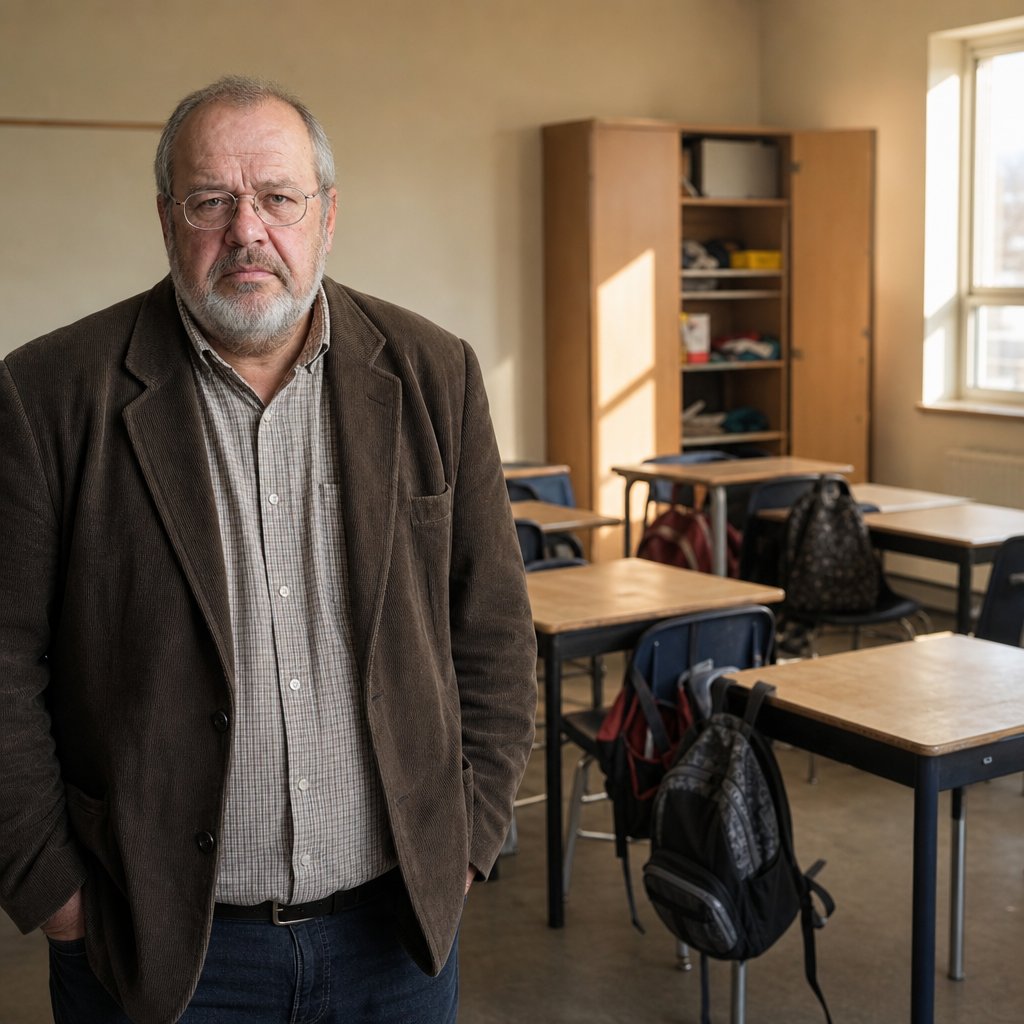
If storing the weapons at school was reckless, what came next was almost beyond belief. Roger Halstead permitted students to access them. He let teenagers near the firearms — let them into the orbit of a real rifle, live ammunition, and a magazine built for rapid fire. Maybe he framed it as education. Maybe it was show-and-tell for a collector who couldn't resist an audience. The exact reasoning hardly matters next to the raw fact of it: minors, in a school, within reach of functional weapons, because the adult in charge decided the rules didn't apply to him. Every safeguard that exists to keep guns and children apart, he stepped over, one at a time, in his own classroom. It only takes a single moment — a dare, a slip, a hand closing around the wrong object — for a decision like that to become a catastrophe. The astonishing thing is how long it went on before anyone said stop.
One Look Inside
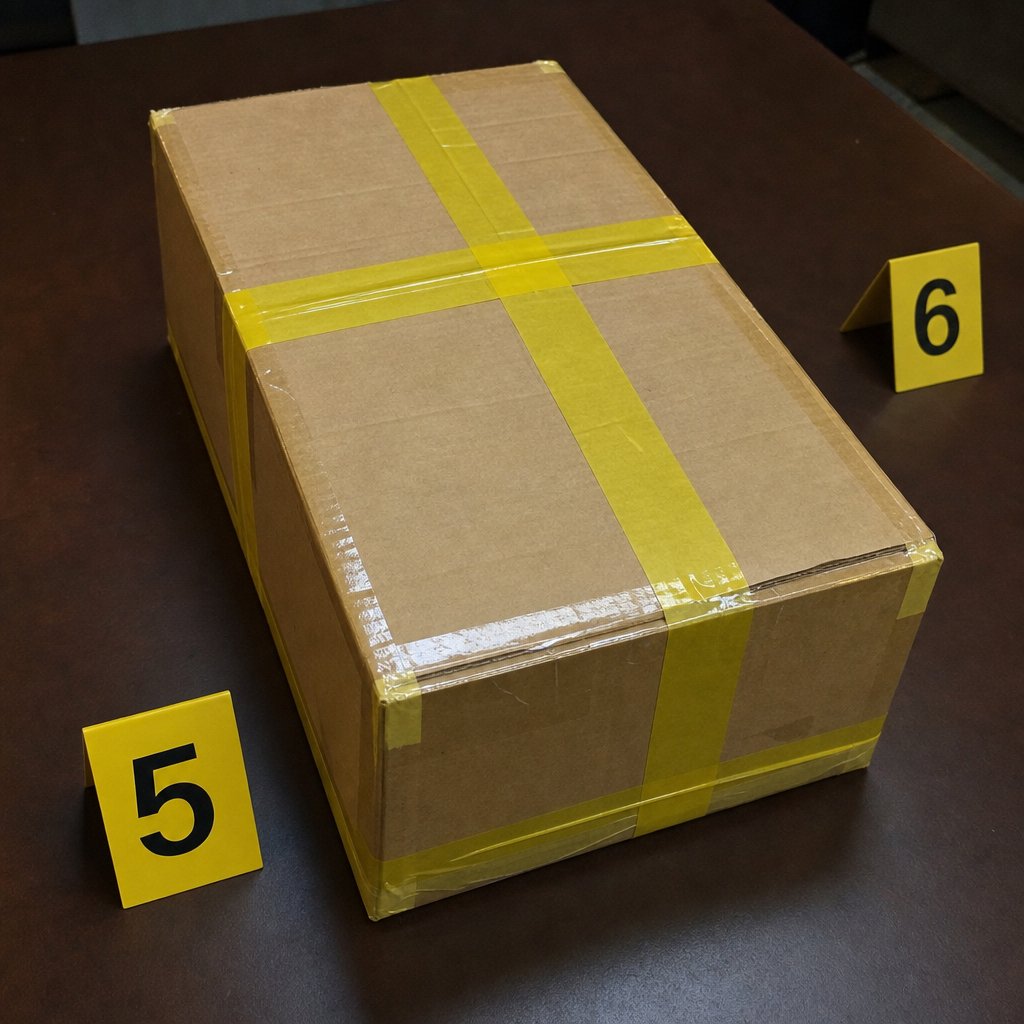
Eventually, the cabinet was opened by the wrong person at the right time — someone who understood exactly what they were looking at. A rifle. Boxes of ammunition. That high-capacity magazine, the kind that turns a firearm into something that can empty itself in seconds. The deactivated pieces and replicas almost made it worse, because at a glance no one could tell which guns could kill and which couldn't. This wasn't a story problem or a hypothetical anymore. It was a working arsenal, assembled inside a school, a few steps from where children sat each day. Word moved fast once it reached the people who could act. Administrators. Then investigators. Then officers who deal with firearms for a living, walking into a teacher's classroom and cataloguing weapons like a crime scene. Because that's what it had become. And the law had a very specific question for Roger Halstead, one his decades of goodwill could not answer.
A Licence He Never Had

The question was brutally simple. Did Roger Halstead have a licence for the firearm? He did not. For all his expertise about the history and mechanics of these weapons, he had never bothered to hold the one piece of paper the law demands. So the veteran teacher, the man parents had trusted for decades, found himself charged criminally with possession of a firearm without a licence. Picture it — the fatherly figure from the front of the classroom now seated across a table from investigators, the corduroy blazer suddenly looking shabby instead of reassuring, his stubborn certainty curdling into something closer to dread. He could explain his intentions all he wanted. The law doesn't grade on intentions. It grades on the loaded magazine in the cabinet and the children in the room. He was found guilty. But the criminal court was only the first reckoning. A second one, aimed squarely at his career, was already taking shape.
Guilty In Criminal Court

In criminal court, the outcome landed somewhere between condemnation and mercy. Roger Halstead was found guilty of possession of a firearm without a licence. But the court stopped short of branding him a hardened criminal. He received a conditional discharge — a finding of guilt without a permanent conviction recorded against him — paired with twelve months of probation. To some it looked like he'd dodged the worst of it. No cell. No record that would follow him forever. For a man his age, after a lifetime of teaching, the court seemed to weigh the absence of malice against the gravity of what he'd done and split the difference. But a probation order does nothing to settle the question that mattered most to every parent in that school board in Pennsylvania. Could a man who'd stockpiled weapons within reach of children still be allowed to stand in front of a classroom? That answer wouldn't come from a judge. It would come from a teachers' disciplinary board.
Egregious, The Board Said

The disciplinary board didn't have to prove a shooting. There was no shooting. What they had to weigh was something the public often underestimates: the sheer recklessness of the thing. And on that, they were unsparing. The board found Roger Halstead guilty of professional misconduct. They acknowledged, fairly, that he may not have had ill intentions — that he was a collector, not a man plotting harm. But intentions, they made clear, were not the measure. The measure was the danger he created. They called his conduct "egregious." They said in plain language that he had "endangered his students and his colleagues" — every teenager in his room, every adult down the hall, all of them placed at risk by a man who simply would not see it. Standing before the panel, the towering veteran looked smaller than anyone remembered. The only thing left undecided was the price his career would pay.
Twelve Months, Then What
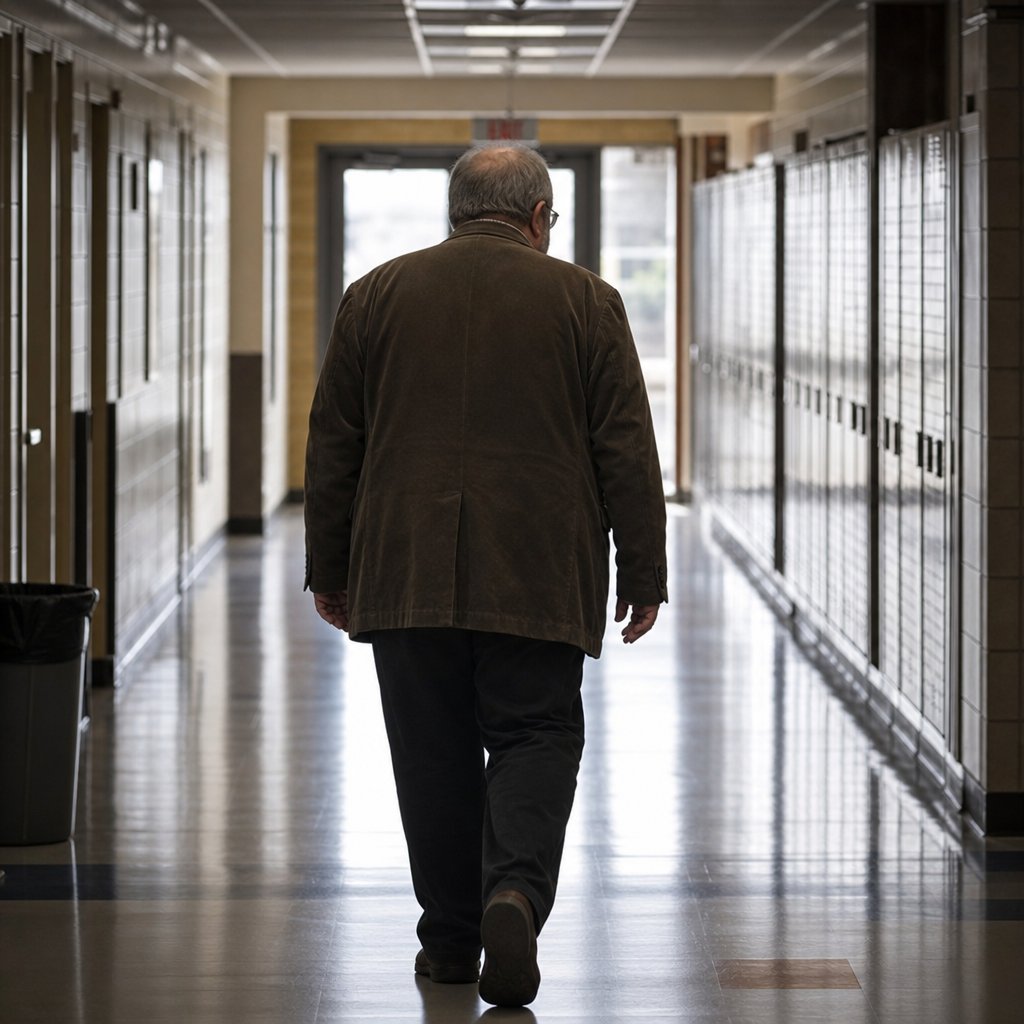
The board suspended Roger Halstead's teaching certificate for twelve months. Twelve months — the same length as his criminal probation, a year on the sidelines for a man who'd taught since 1975. To the board, it answered the misconduct. He'd been named, found guilty, his conduct branded egregious in the official record, and his right to teach stripped away for a year. But sit with the arithmetic and a colder thought creeps in. A rifle. Live ammunition. A high-capacity magazine. Functional weapons inside a school, within reach of children, kept there by an adult who let them get close. No one was hurt — by luck as much as anything. And for endangering an entire school, the steady veteran was handed twelve months and then, eventually, the door back in. He'd done his time and could one day stand before students again. The board called it justice. Plenty of parents weren't so sure. Twelve months for guns and live ammo within reach of children — does that punishment fit the recklessness, or fall short?
A dramatized retelling based on real teacher-discipline records. Names, locations, and identifying details have been changed. Any resemblance to actual persons is coincidental.