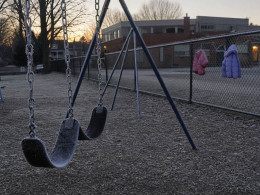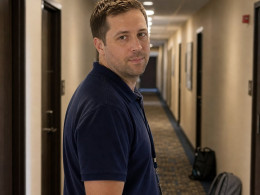




Six Kids. One Chaperone.
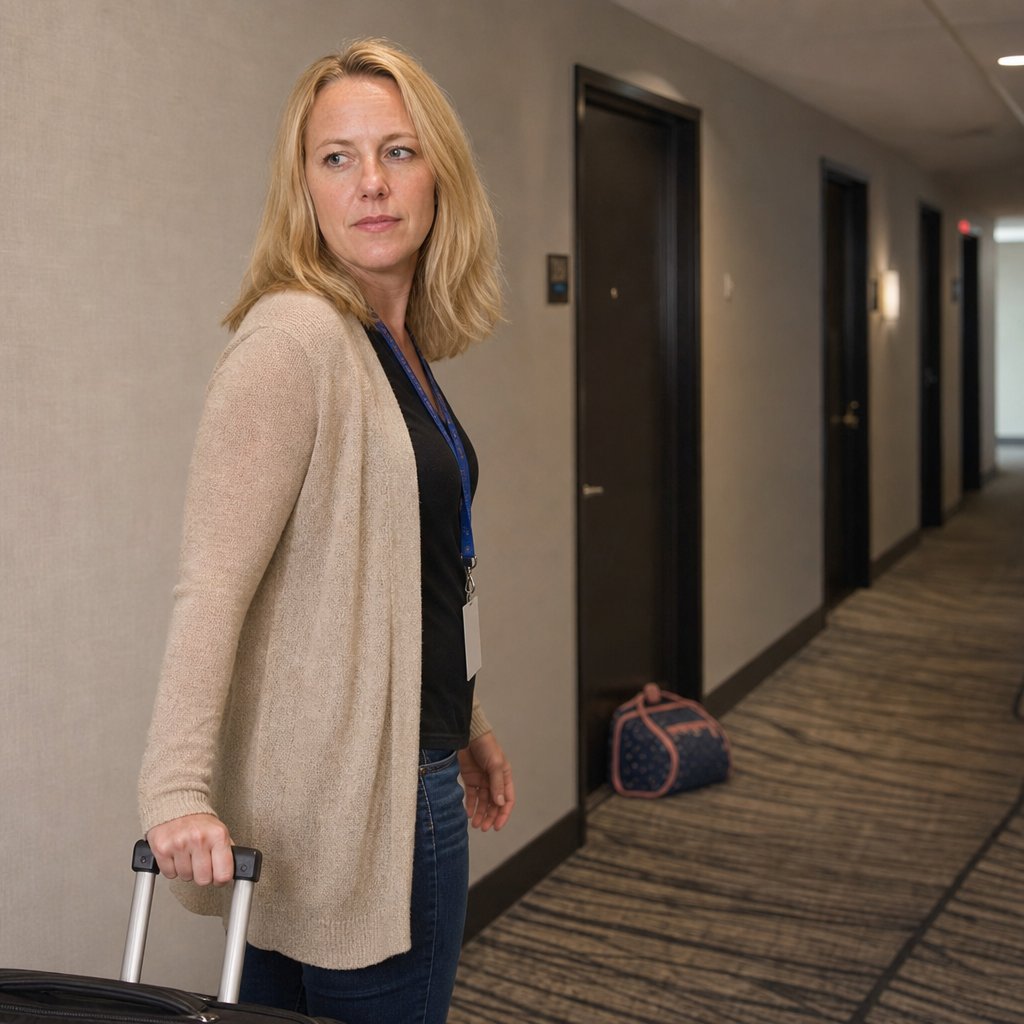
Six students. One teacher responsible for all of them. And a school trip that went so far off the rails it ended with her teaching certificate on the line. Carla Whitfield, an educator with a school board in Texas, was trusted to do the most basic job a chaperone has: keep kids safe and accounted for, away from home, around the clock. Instead, by the time the trip was over, she’d handed those students freedoms — and substances — that no responsible adult ever should. And then she lied about it.
The Trip Every Parent Signs Off On
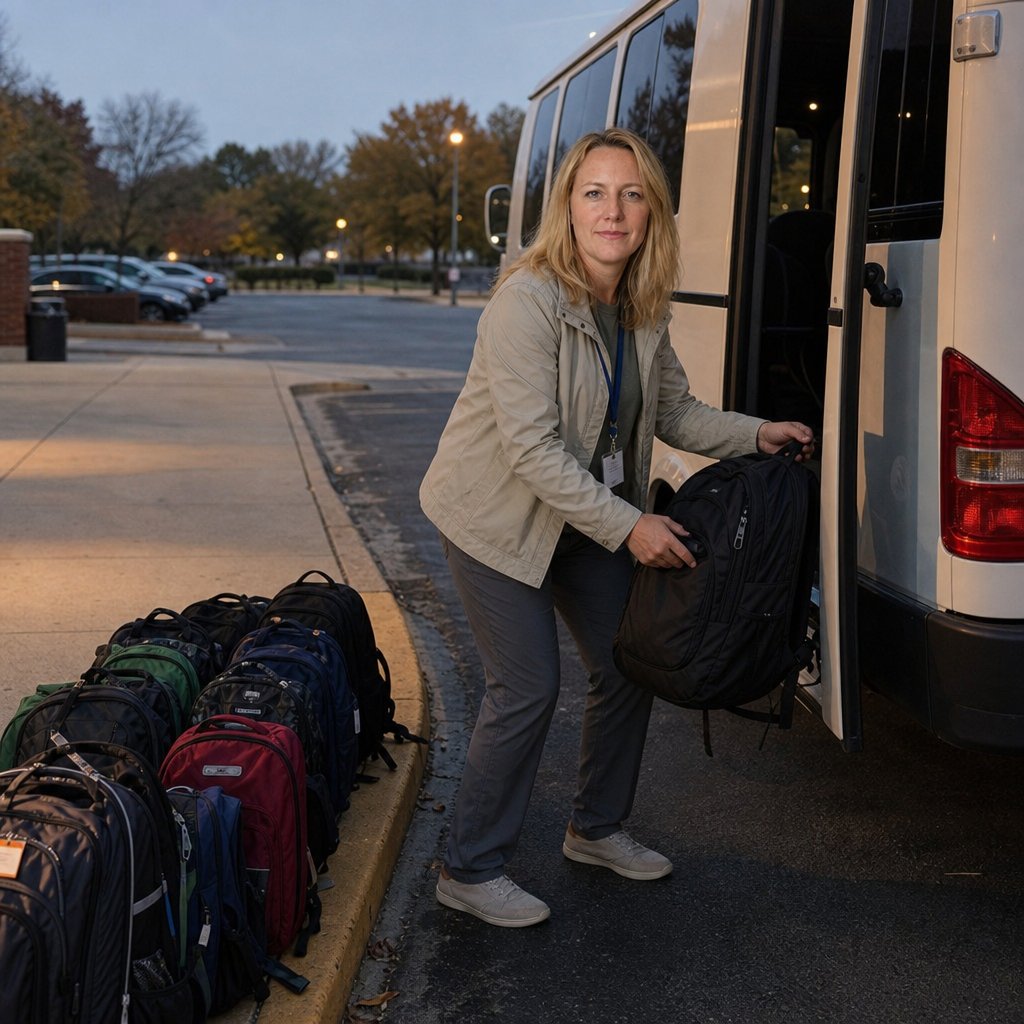
A school trip runs entirely on trust. Parents hand over their kids for a few days believing an adult will be watching — counting heads, enforcing curfews, saying no. Whitfield had been certified since the late 2000s and was the adult in charge of six students on this one. That’s a serious responsibility, and on paper she was exactly who you’d expect to hold it. What actually happened over those few days is the reason her name ended up in front of a disciplinary board.
She Kept Disappearing
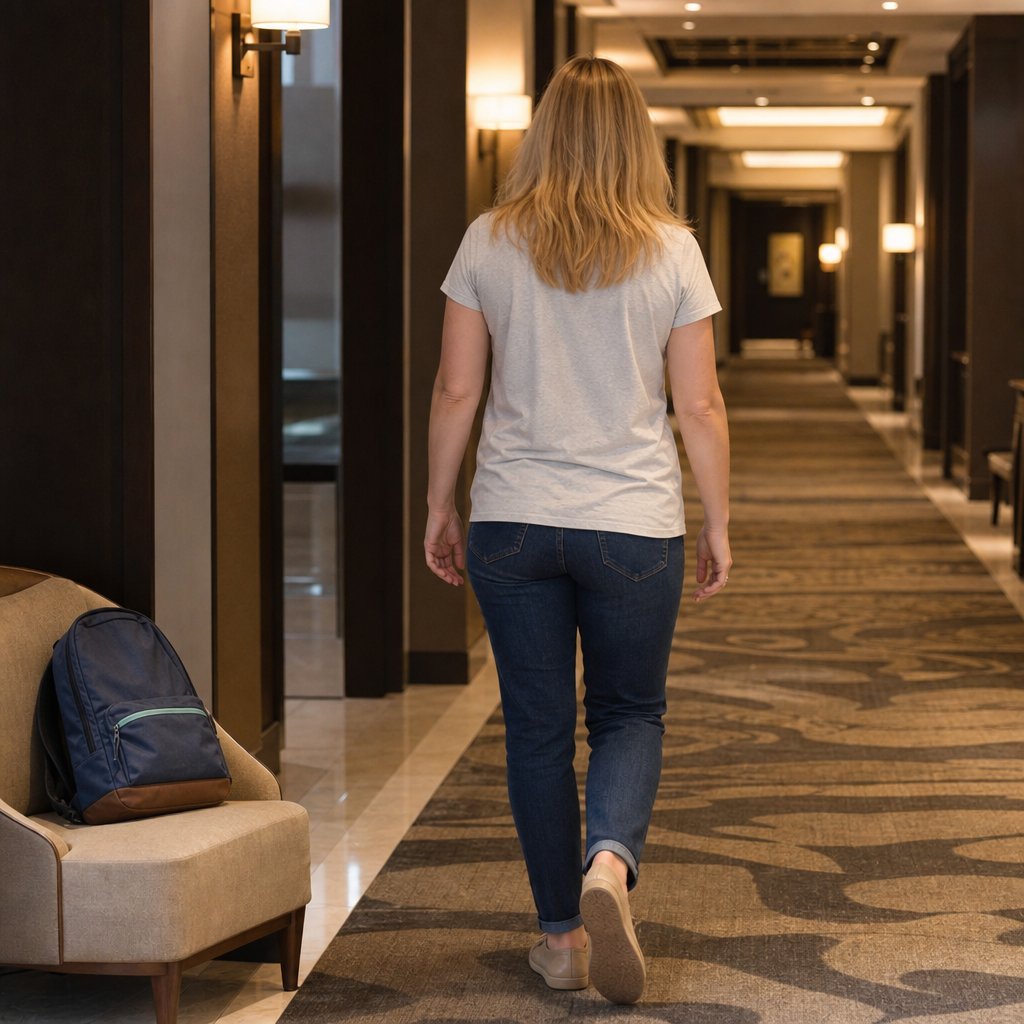
The first failures were about absence. Again and again, Whitfield didn’t perform the supervisory duties the trip required. On a trip with minors, “I stepped away” isn’t a small lapse — it’s the whole job, abandoned. Each time she walked off, six kids were left to make adult decisions in an unfamiliar place with no adult around. Most of the time, nothing catastrophic happens, and that’s the trap: it feels fine right up until it isn’t. Whitfield kept rolling those dice with other people’s children.
A Taxi. Downtown. No Adult.

The specifics are the part that make parents’ stomachs drop. Whitfield left one student entirely alone at the hotel. She allowed two students to take a taxi downtown — by themselves, no adult, in a city that wasn’t theirs. These aren’t gray-area judgment calls; they’re the exact scenarios every permission slip is designed to prevent. Any one of them could have turned into a missing-child nightmare. She let them happen more than once, apparently without grasping how badly each one could have ended.
While They Were Alone, She Was Out

The answer: out. Whitfield left the group unsupervised so she could go have dinner with friends. The trip the students were on — the one their parents signed off on, the one she was being trusted to run — became an inconvenience to schedule around. It’s one thing to lose track of kids in a chaotic moment. It’s another to deliberately clock out of your responsibility for a social evening. But the supervision failures, as alarming as they were, weren’t even the worst of it.
Then Came the Alcohol
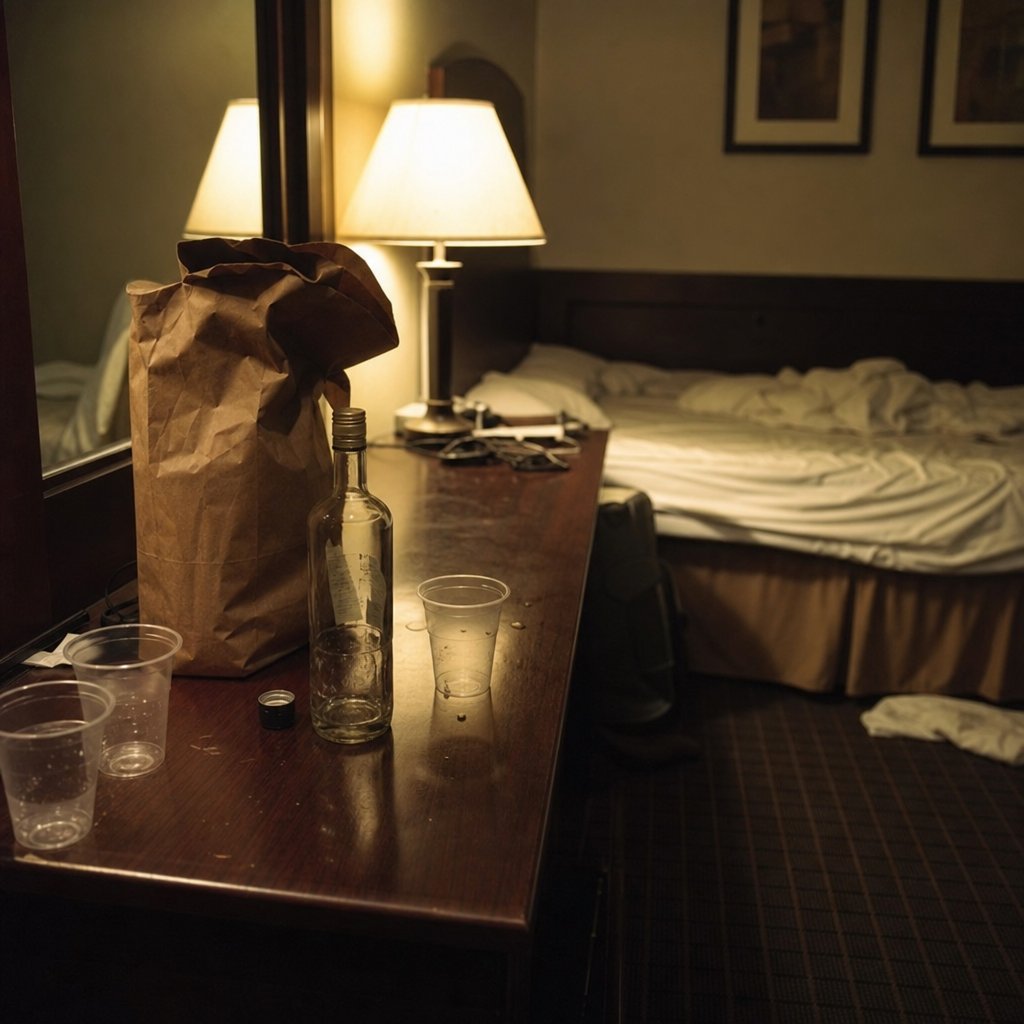
Here’s the line that turned a negligence case into a scandal: Whitfield purchased alcohol for some of the students. She let them drink it during the stay — and drank with them, in a hotel room. An adult, responsible for minors on a school trip, supplying alcohol and joining in. There’s no spin that makes that look like a lapse in judgment. It’s a fundamental betrayal of the single promise a chaperone makes. And when the adults back home started asking questions, it got worse.
So She Lied to the Principal
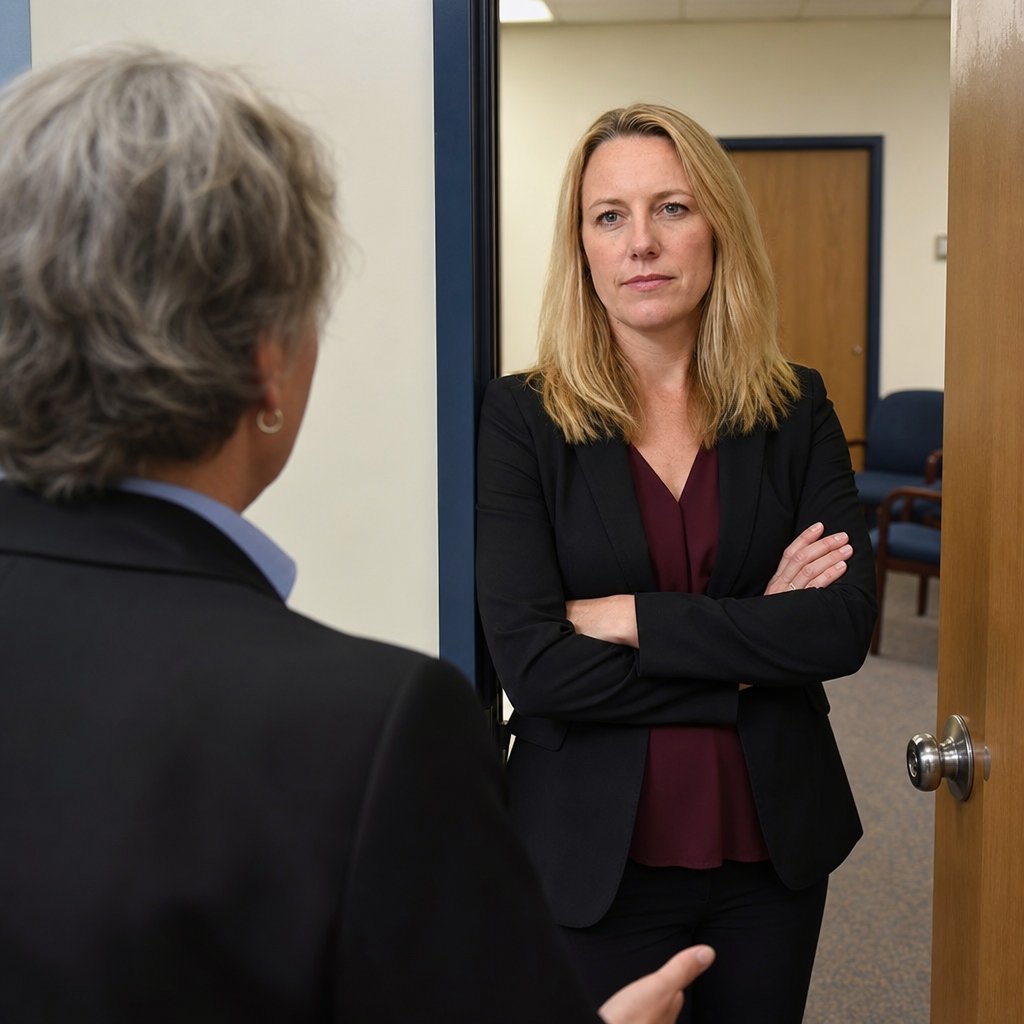
When the school principal asked Whitfield directly about the alcohol, she didn’t admit it. She lied first — and only later, cornered, admitted the facts. That’s the detail that often costs a professional the benefit of the doubt. A mistake owned up to is one thing; a mistake denied to your own principal’s face is another. It told investigators this wasn’t a single bad night she immediately regretted, but something she was prepared to cover up. By then, it was headed somewhere she couldn’t talk her way out of.
Finally, the Board Stepped In
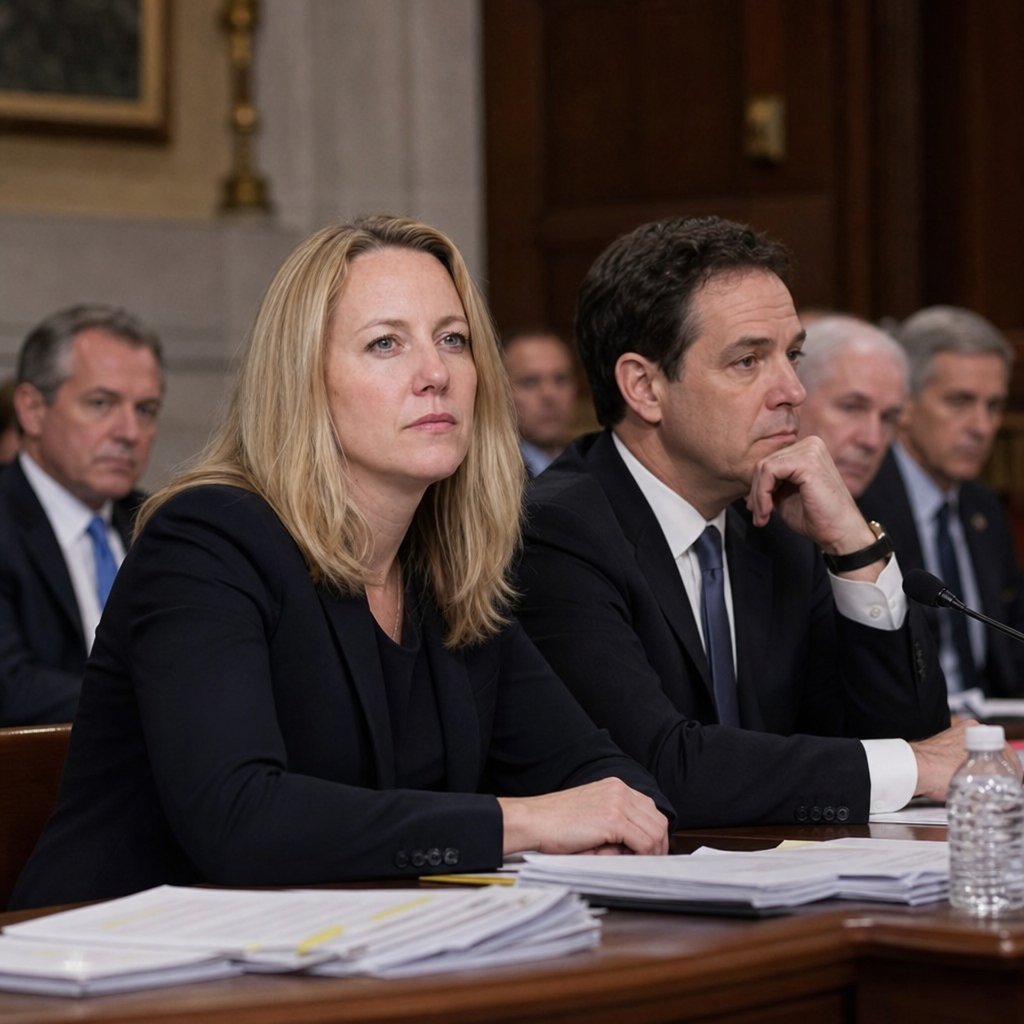
The case went to a teachers’ disciplinary board, and Whitfield attended her hearing with legal representation. The panel laid out the whole trip: the students left alone, the solo taxi ride downtown, the unsupervised group, the alcohol she bought and shared, and the lie she told her principal before admitting the truth. Put together, it was a portrait of an adult who, over a few days, failed the most basic duty of her job at nearly every turn. The finding was straightforward: guilty of professional misconduct.
The Verdict: Two Months

The board suspended Whitfield’s teaching certificate for two months and ordered her to appear before the panel for a reprimand. Before returning, she was required to complete — at her own expense — a course on the ethical standards of the profession and on maintaining appropriate boundaries, within 90 days. In its written decision, the panel kept it simple and pointed: “Be they in the classroom or away on a school trip, members of the teaching profession must ensure students’ safety at all times.” A two-month clock, a course, and a reprimand.
Was Two Months Enough?
Tally up the trip: kids left alone, sent off in a taxi by themselves, abandoned for a dinner out, handed alcohol in a hotel room — and then a principal lied to. The penalty: two months and a boundaries course. To some, the ethics requirement is exactly right — make her relearn the job from the ground up. To others, two months feels light for a chaperone who gambled with six kids’ safety and then tried to hide it. What everyone can agree on: those parents will think about this trip every time they sign the next permission slip. Alcohol, unsupervised kids, and a cover-up — is two months enough? Tell us below.
A dramatized retelling based on real teacher-discipline records. Names, locations, and identifying details have been changed. Any resemblance to actual persons is coincidental.