


The Empty Schoolyard At Dusk
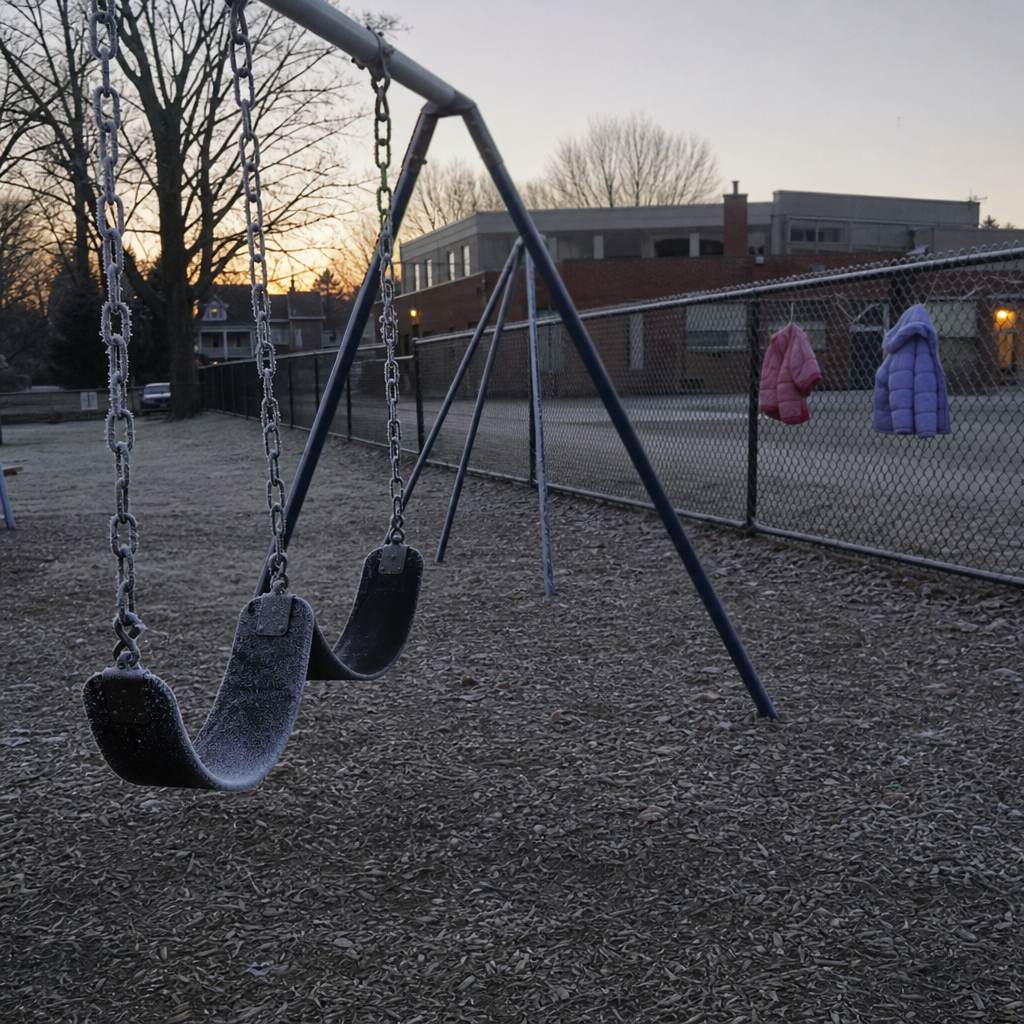
The light was already failing when the cold settled over the playground. Frost crept along the chains of the swings, and the asphalt glittered hard under a thin Minnesota sky. Somewhere a door had closed for the day, locked tight against the dropping temperature. But out past the fence, in the grey hush of an emptying schoolyard, two very small boys stood alone. They were four years old, the youngest the building had, and they had missed their bus. No teacher was beside them. No staff member counted heads. The man who should have walked them inside had already gathered his satchel, crossed the lot, and started his car. As the heater warmed his windshield, two Junior Kindergarten students shivered behind him in the dark. How does a veteran teacher simply drive away?
A Career Built On Trust
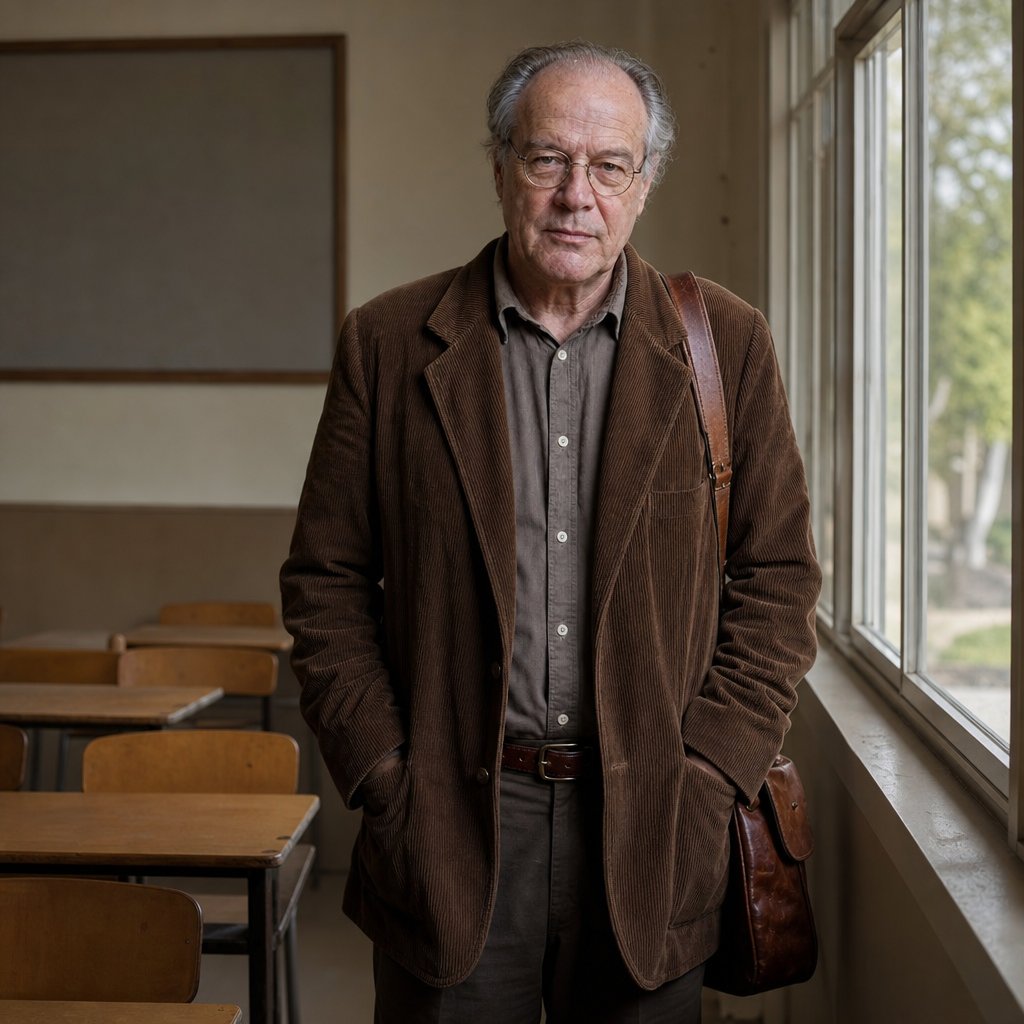
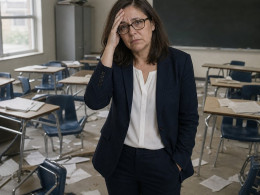
Dennis Faulkner was not a newcomer. He had first been certified to teach back in 1971, when the boys in his care were not yet born and neither were their parents. Decades later he was a long-serving occasional teacher, the steady substitute a school could call when its own staff fell ill. Principals knew his name. He had stood at the front of more classrooms than he could count, watched generations file in and out, and earned the quiet trust that comes with a long career. Parents handed over their children without a second thought, assuming experience meant safety. That assumption was the whole foundation of the job. And on this particular winter afternoon, in a school board in Minnesota, that long, dependable record was about to crack in a way no one saw coming. What had he forgotten?
The Rules Were Posted Plainly
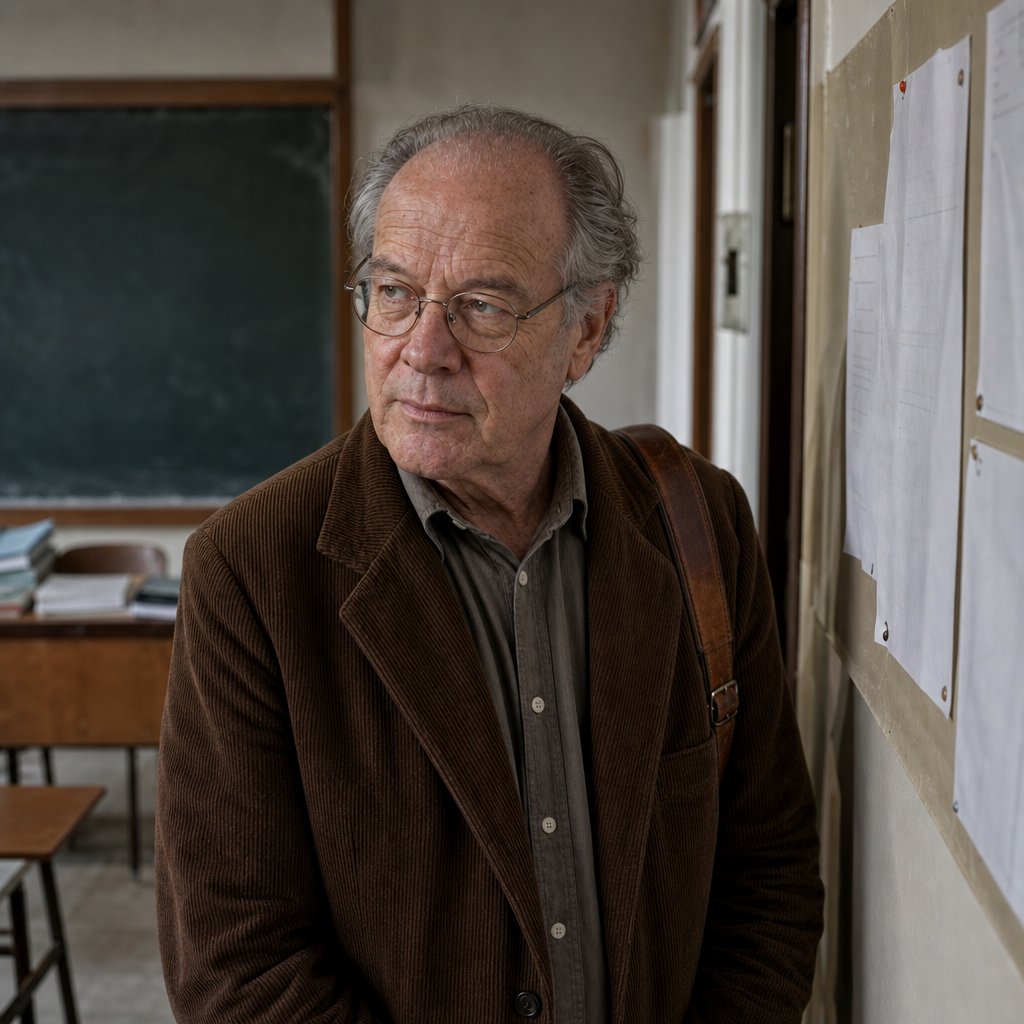
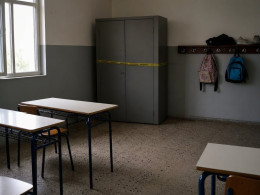
Nothing about the day was ambiguous. The dismissal routine had been explained to him clearly, the way it was explained to anyone stepping into a kindergarten room. Young children do not leave on their own. They are released to a bus, to a parent, to a waiting hand, and never simply turned loose. The practices were posted right there on the classroom wall, plain enough for any adult to read at a glance. Faulkner had even been reminded before, gently steered back toward the procedures more than once in the past. There was no excuse rooted in confusion, no first-day fog to hide behind. He knew exactly what end-of-day with four-year-olds required. The bell rang. Coats came on. The room began to empty. And somewhere in that ordinary shuffle, two small boys slipped through a gap that should never have existed. Where was the count?
Two Boys Miss The Bus
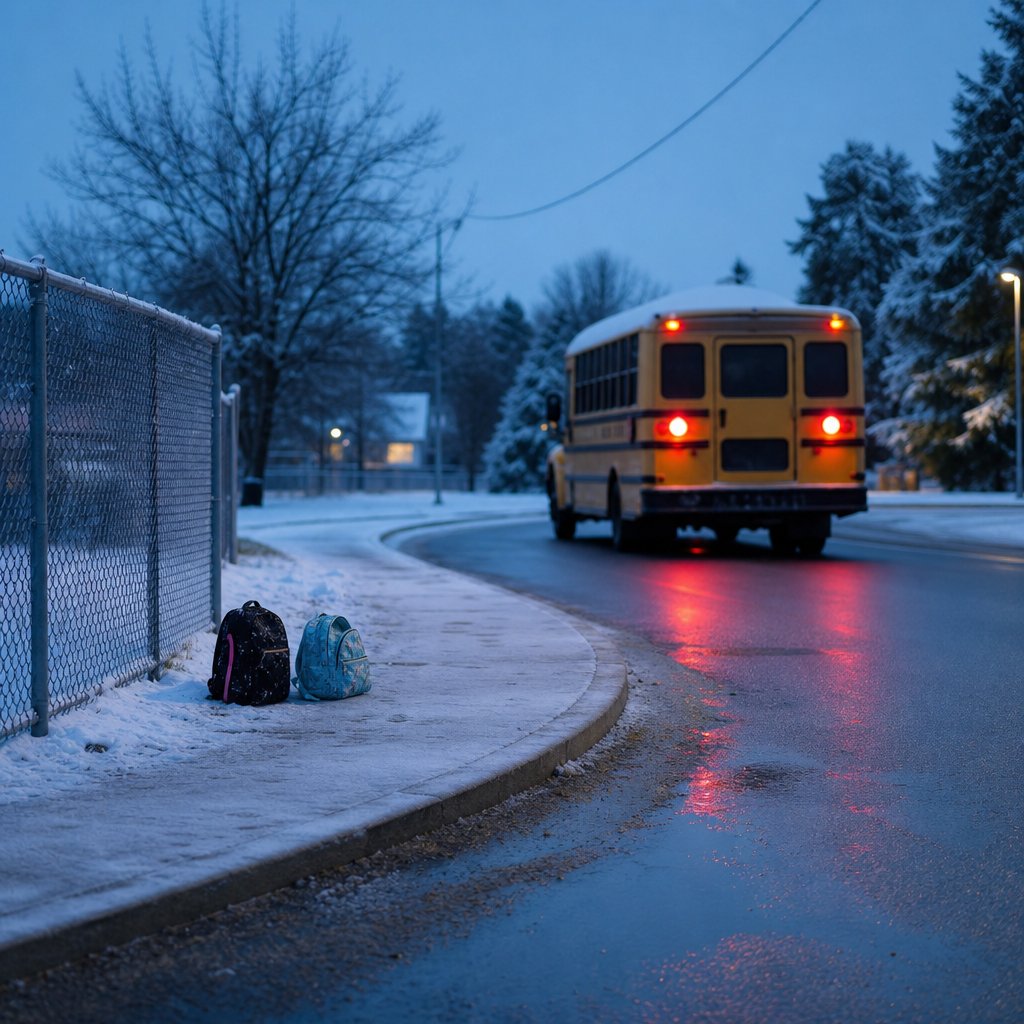
It happened in the time it takes to button a coat wrong. The buses lined up at the curb, exhaust steaming in the freezing air, and the rush of small bodies surged toward the doors. Older children knew their routes by heart. But the youngest do not. Two Junior Kindergarten boys, barely four, drifted in the wrong direction, or paused too long, or simply did not understand which yellow bus was theirs. The doors hissed shut. The line of buses rolled forward and pulled away into the dusk, taillights shrinking down the snowy street. On the curb, two tiny backpacks and two tiny boys were left behind. This was the exact moment the dismissal routine existed to catch — the moment a teacher counts, notices a gap, and acts. Inside, the adult responsible for them was gathering his things. Would anyone realize they were gone?
He Gathers His Satchel
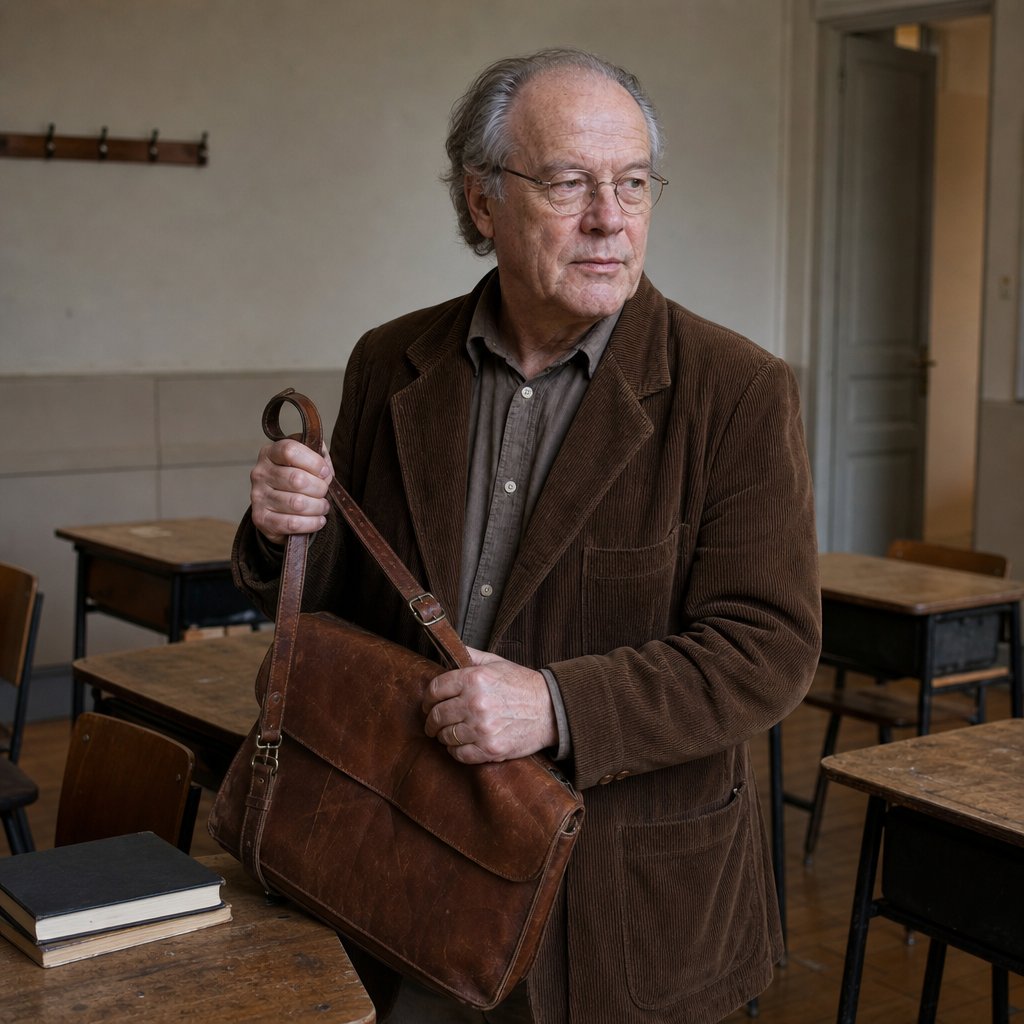
Inside the warm classroom, Dennis Faulkner did what he had done at the end of thousands of school days. He tidied the desk. He lifted his worn leather satchel. He shrugged into the heavy corduroy jacket and turned toward the door, his mind already somewhere past the parking lot — home, supper, the long drive in the dark. The room was quiet now, the small chairs pushed in, the coats mostly gone from the hooks. To a tired veteran it must have looked finished, complete, another day safely closed. But finished is not the same as safe. He did not walk the perimeter. He did not check the curb where the buses had been. He did not confirm, child by child, that every one of them was accounted for and gone. He simply assumed. And then he reached for the door handle. What waited outside?
The Engine Turns Over
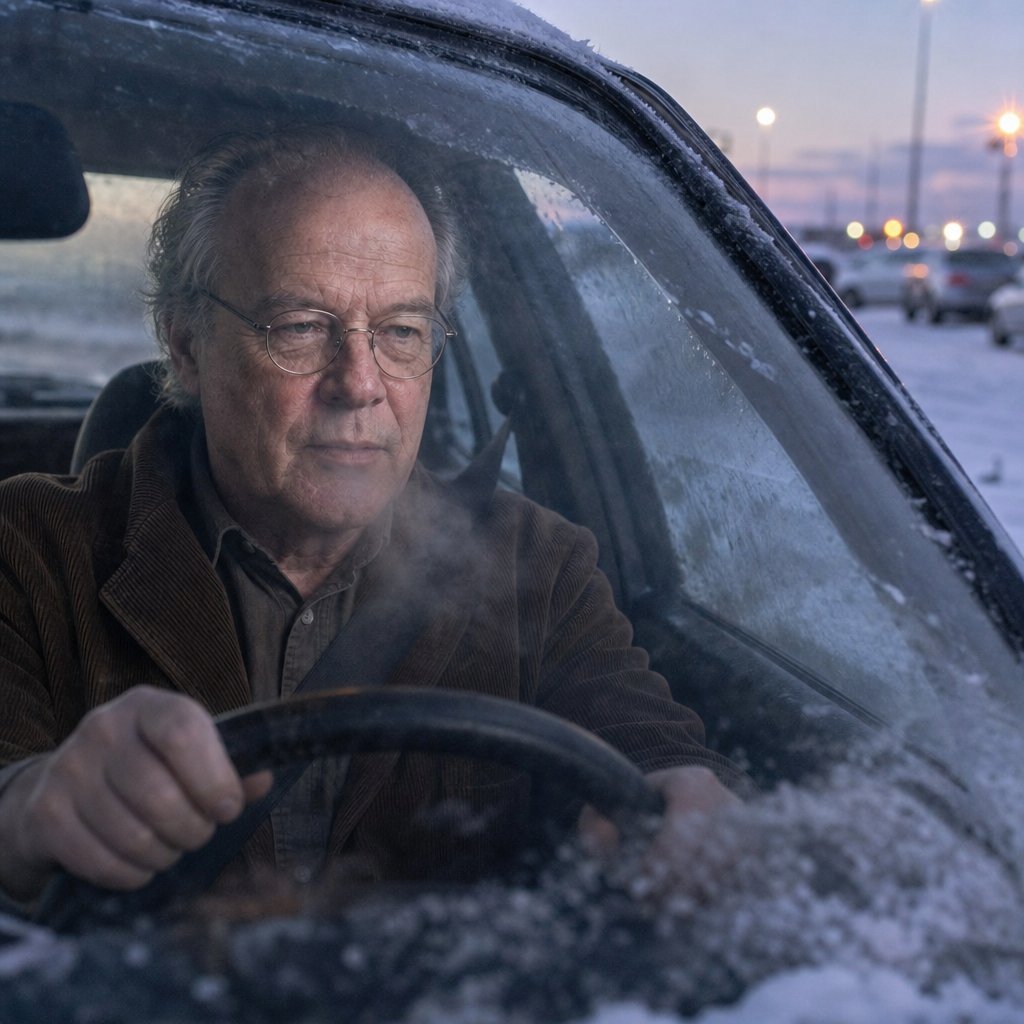
The car door thudded shut behind him, sealing out the cold. Faulkner settled into the driver's seat, breath fogging in front of his face until the heater coughed to life. The windshield was rimmed with frost, and beyond it the schoolyard stretched grey and emptying in the failing light. He turned the key. The engine caught. To him it was the most ordinary sound in the world, the small mechanical sigh that marked the end of a working day. He did not glance back toward the playground. He did not scan the fence line where two small shapes stood in the dropping temperature, waiting for an adult who was now backing out of his parking space. The headlights swept across the snow and pointed toward the road. He pulled away. Behind him, two four-year-olds were alone in the freezing dark. How long before someone noticed?
Alone In The Cold
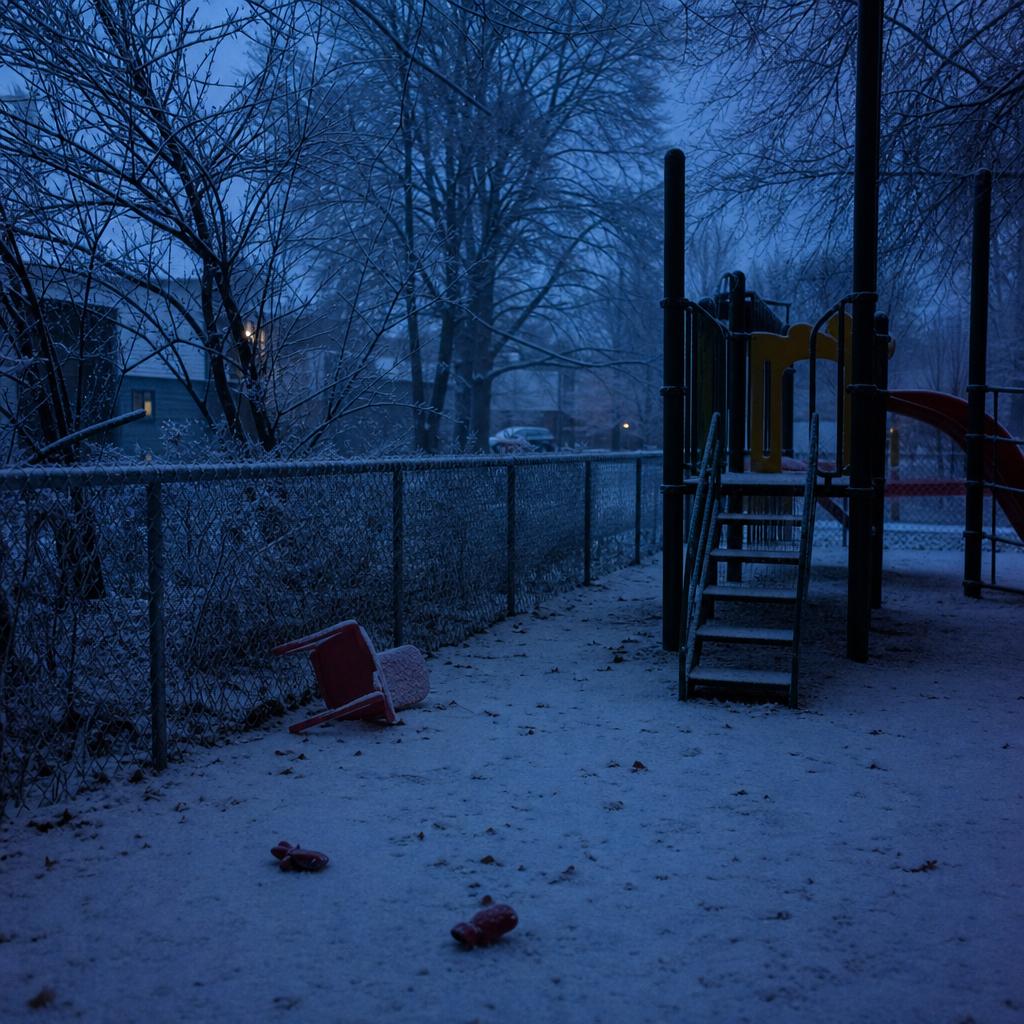
For the two boys, the world shrank to a cold fence and a darkening sky. They were four. They did not have the words for what was happening, only the slow, creeping understanding that the grown-ups were gone and the warm building was locked behind them. The temperature kept falling. Their breath came in small white clouds. A child that age cannot read a clock or find a phone or walk home; he can only wait, and trust that someone is coming. Eventually someone did — a staff member or passerby who found them where they should never have been and brought them in from the cold. The immediate danger passed. But the fear did not leave with it. One boy would carry it home, into his bedroom, into the next morning. His mother would later describe what those minutes outside had done to him. What had it broken?
A Mother's Days Of Reassurance

The cold was the easy part to undo. A warm room, dry mittens, a hot drink — those fixed the body in minutes. What lingered was harder to see and slower to heal. One of the boys went home shaken in a way that did not pass with a night's sleep. His mother later testified that for several days afterward she had to keep reassuring her four-year-old son that school was a safe place, that the grown-ups there would not leave him, that the doors would not lock him out in the cold again. Imagine having that conversation with a child barely old enough to dress himself: explaining, over and over, that the place built to protect him had not. That a teacher had driven away. The school itself was no longer a given in his small mind. It had become something to fear. How could the adults let that stand?
The Letter And The Suspension

The school did not look away. Once the facts were clear — that a veteran teacher had left two of the youngest children unsupervised in the winter cold, after being told the dismissal rules and reminded of them before — the response was formal and firm. A disciplinary letter went into his file, and he was suspended without pay for a period, removed from the classrooms he had walked into for half a century. But a single school's punishment was not the end of it. Conduct like this reaches past one building. A teachers' disciplinary board took up the case, the body that decides whether a person should be trusted with children at all. They would weigh the long career against the cold playground, the experience against the two small boys left behind. The question before them was blunt: did this veteran still belong in a classroom? What would they call what he had done?
Disgraceful, Dishonourable, Unprofessional

The board did not soften its words. It found Dennis Faulkner guilty of professional misconduct and called his behaviour "disgraceful, dishonourable and definitely unprofessional." More striking still, it ruled that leaving those two four-year-olds alone in the cold "constituted psychological or emotional abuse of a student" — language that reached past a single careless afternoon to the fear it planted in a small boy. His teaching certificate was suspended for three months. Before he could return, he was ordered to stand and receive a reprimand in person, face to face, and to complete a course in classroom management and teacher accountability at his own expense. Half a century of teaching had ended not with a tribute but with a rebuke. The man who drove home that winter evening left more behind than two boys at a fence; he left his good name in the cold. Was a three-month suspension nearly enough?
A dramatized retelling based on real teacher-discipline records. Names, locations, and identifying details have been changed. Any resemblance to actual persons is coincidental.