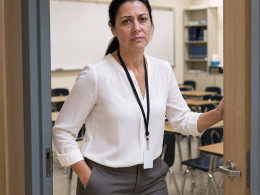




They dreaded her classroom
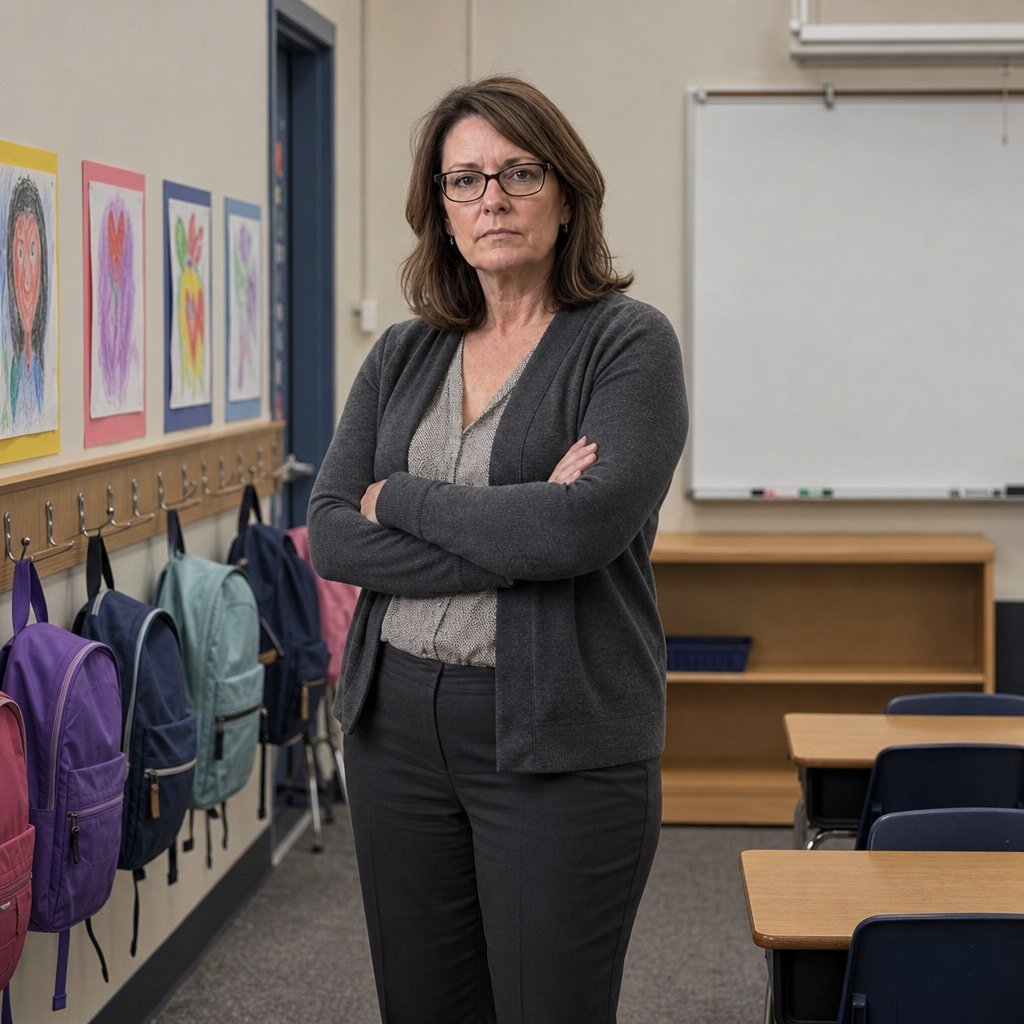
Every morning, a group of students at one school in Ohio felt the same knot in their stomachs. Not because of a test. Not because of a bully in the hallway. Because of the adult at the front of the room — the one who was supposed to make them feel safe. Her name was Diane Renner, and she’d been teaching for more than two decades. To the district, she was a seasoned veteran. To the kids in her class, she was something else entirely. And what happened behind that classroom door was finally about to catch up with her.
A trusted veteran

On paper, Renner was exactly the kind of teacher parents hope for. Certified since the mid-1990s, years inside the same school board, known to colleagues, trusted by administrators. That long track record is part of what made the truth so hard to believe — and harder to act on. When a teacher has been around that long, people assume the complaints must be exaggerated. Surely a 20-year educator wouldn’t do the things kids were starting to describe at the dinner table. Surely the parents were misunderstanding. They weren’t.
It started with her voice
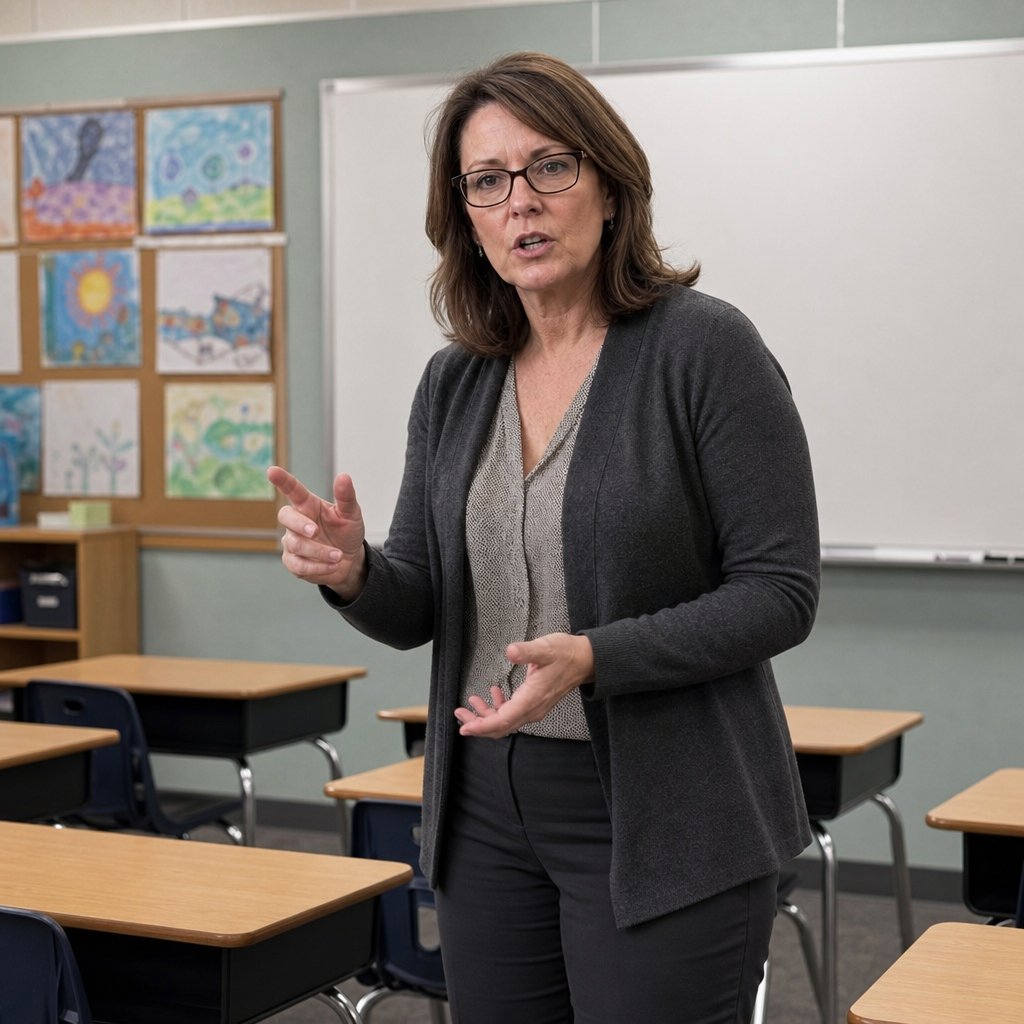
It began with tone. Renner had a way of raising her voice that went far beyond classroom management — sharp, cutting, and aimed. Students started coming home quieter than usual. Some stopped wanting to talk about their day at all. A few began inventing reasons to stay home: a stomachache here, a headache there. Parents chalked it up to a phase. But the kids weren’t being dramatic. They were describing a teacher whose words, day after day, were wearing them down in front of everyone they knew.
Humiliation, in front of everyone
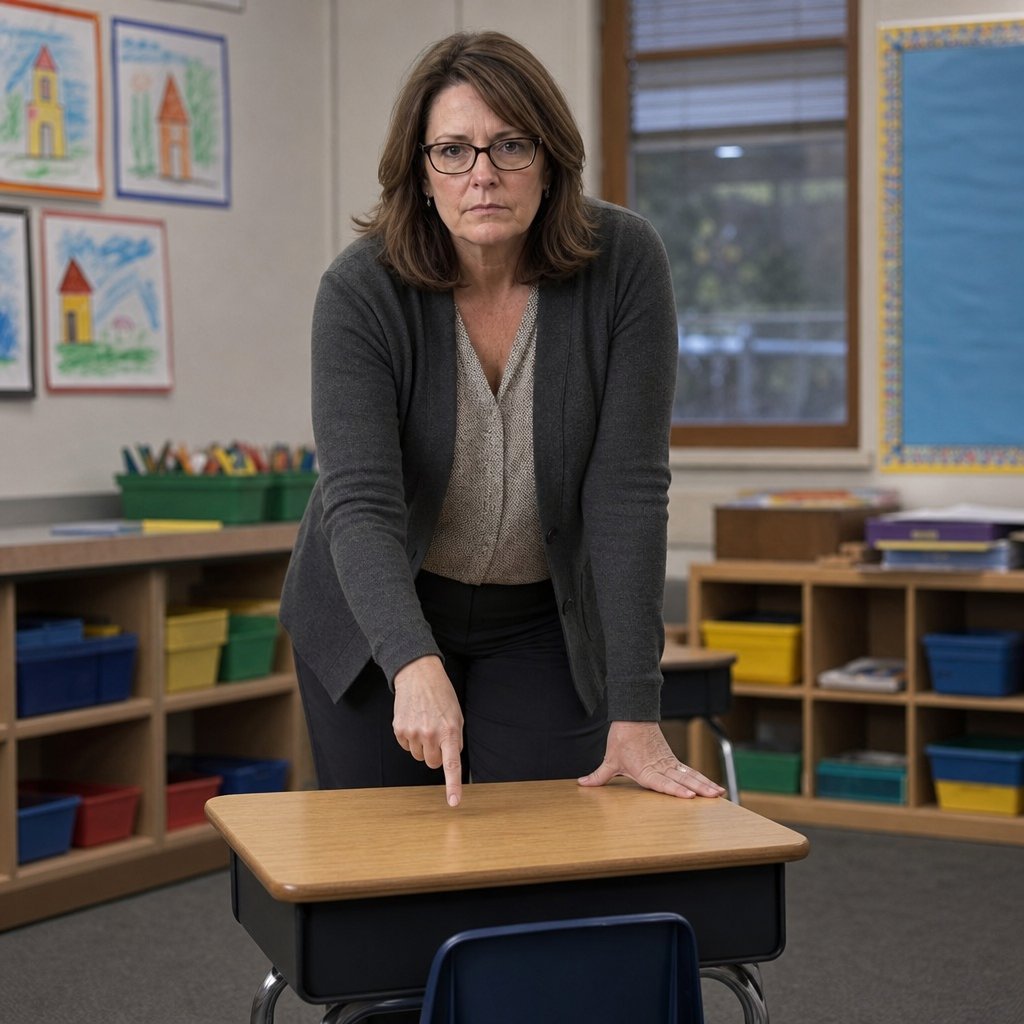
Investigators found that Renner didn’t just discipline students — she belittled them. She singled kids out and put them down in front of their classmates, turning ordinary mistakes into public humiliations. For a child, there are few things more powerful than being shamed in front of the people whose opinions matter most. And it wasn’t a one-time slip on a bad day. It was a pattern — repeated, deliberate, and witnessed. The other students saw it happen, and they learned to keep their heads down and hope they weren’t next.
Too scared to come to school
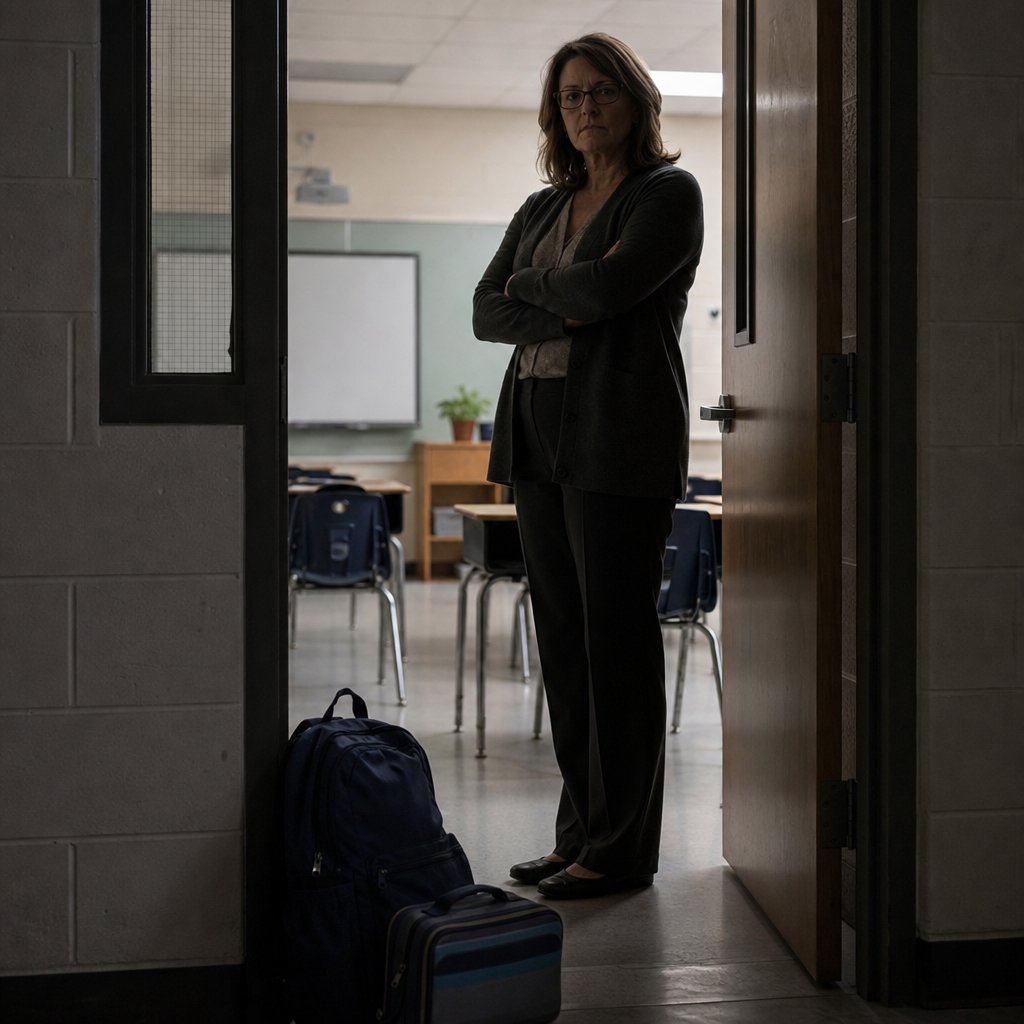
The fear became real. Students told their families they felt intimidated, anxious, and frightened — not of a subject or a grade, but of walking into their own classroom. Some grew so anxious about attending that getting to school became a daily battle at home. Sit with that: children dreading the one place adults promised them was safe, because of the very person trusted to protect them. This is what turned a “difficult personality” complaint into something a disciplinary board could not ignore. A teacher had made kids afraid to learn.
It wasn’t just the kids
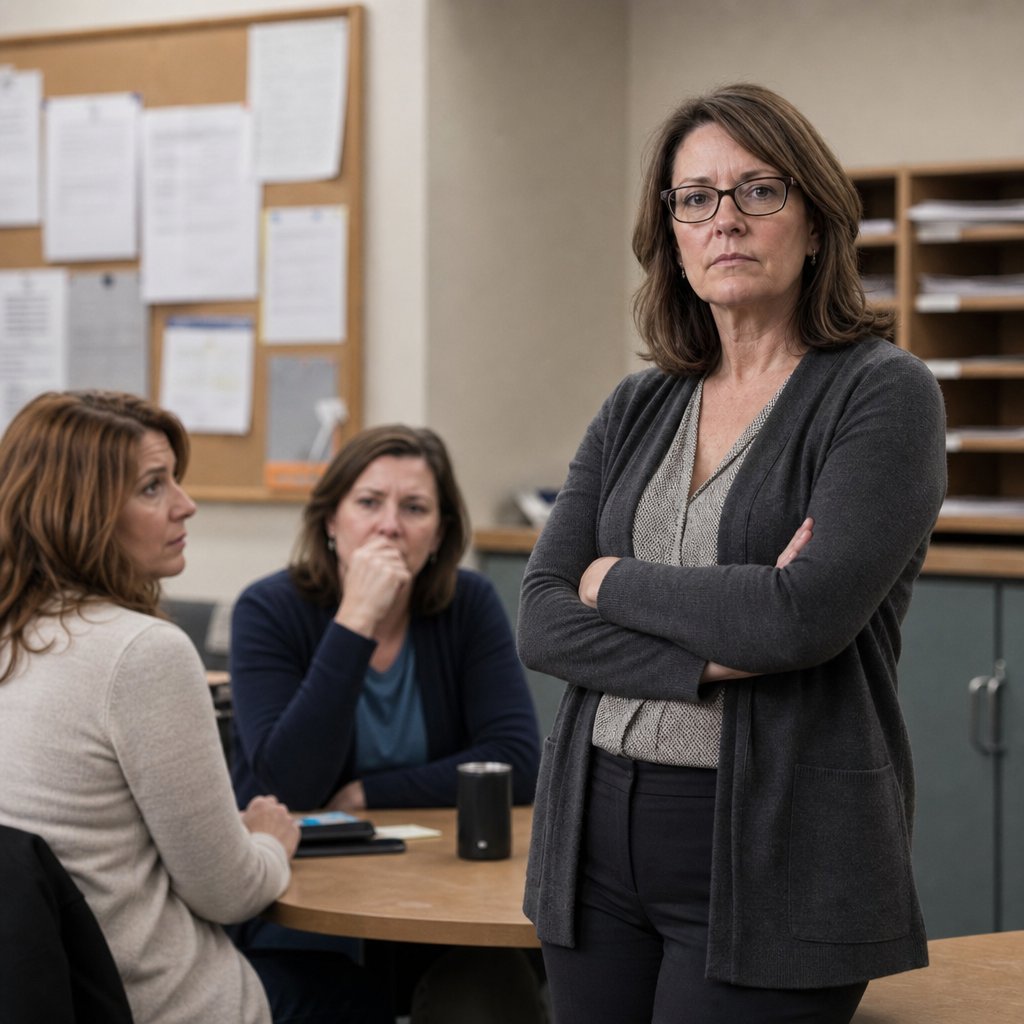
Here’s what makes this case stand out: the students were only the beginning. Renner was condescending, rude, and sarcastic with the adults around her too — fellow teachers, parents, and even her own principal. It didn’t stop in the staff room either. The disciplinary panel later noted her behavior reached a school custodian and a school secretary — the people who quietly keep a school running. Almost no one who crossed her path was spared. It painted a picture not of a stressed teacher having a rough year, but of someone who treated disrespect as a daily habit.
The complaints reach the top
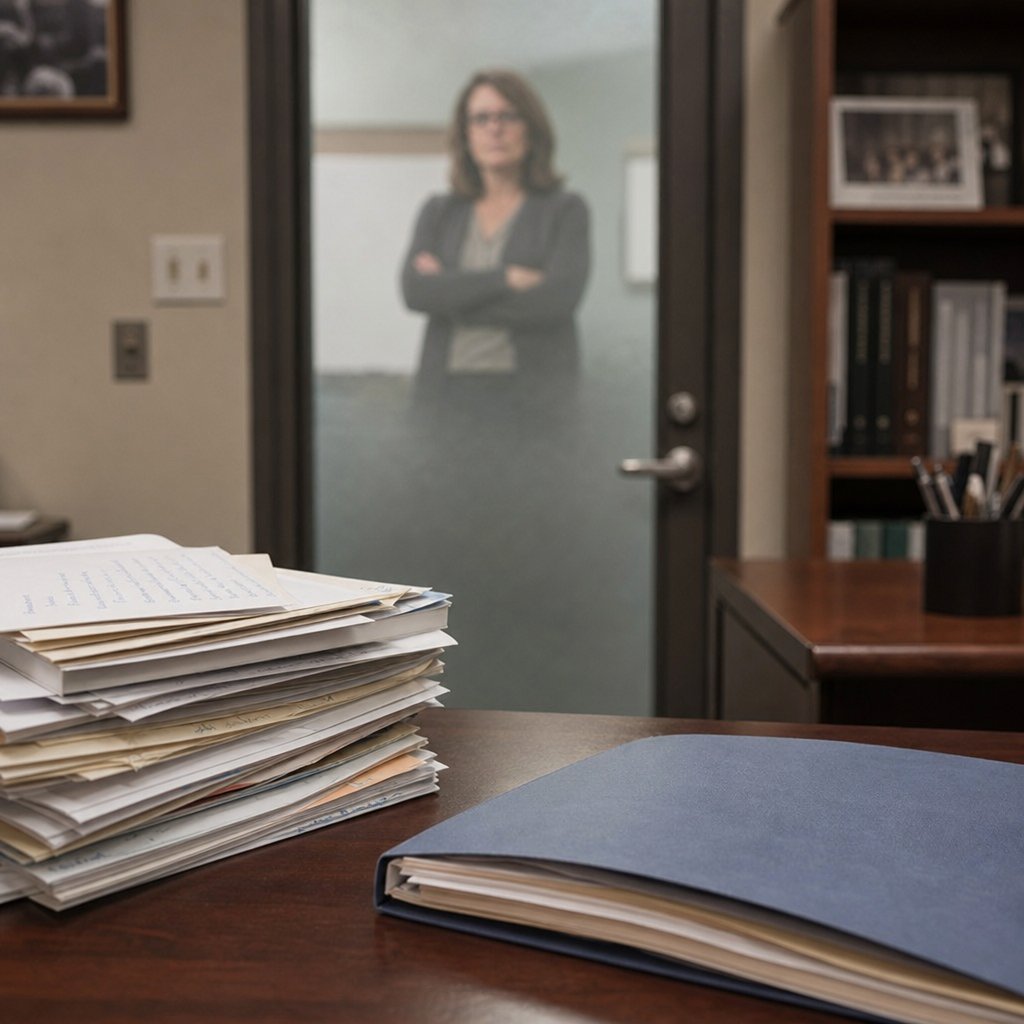
Eventually the pattern became impossible to bury. Accounts from students, parents, and colleagues stacked up until they reached a teachers’ disciplinary board — the body with the actual power to do something about a teacher’s conduct. For families who’d spent years being told they were overreacting, this was the moment of validation. Someone with authority was finally going to look at all of it, at once, and decide whether a line had been crossed. A formal hearing was scheduled. All Renner had to do was show up and answer for it.
She didn’t even show up
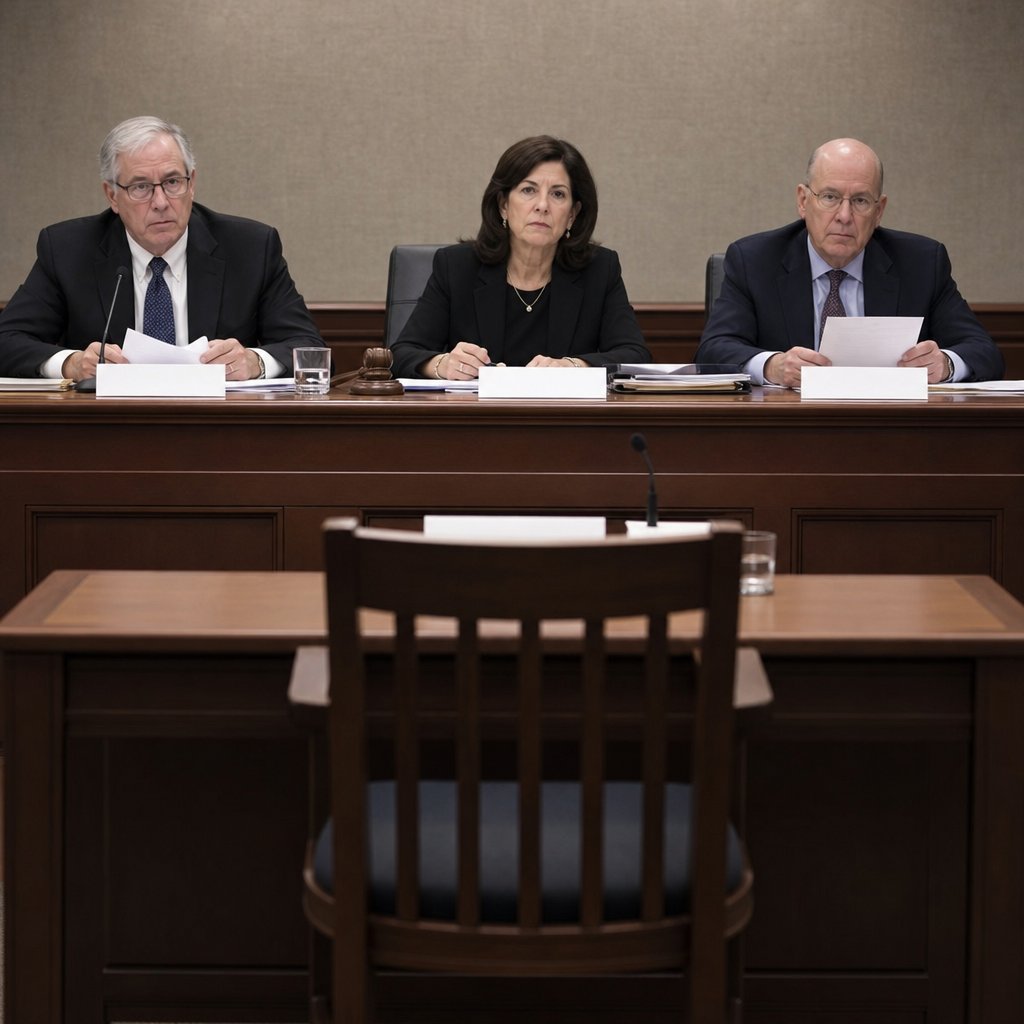
On the day of her hearing, Diane Renner didn’t appear. She didn’t attend, and she wasn’t represented by a lawyer. After years of making students, parents, and coworkers answer to her, she declined to answer to anyone. The panel proceeded without her. They reviewed the full record — the harsh tone, the public humiliations, the frightened kids, the disrespect that reached from the classroom to the custodian’s closet — and reached the conclusion no one who’d lived through it found surprising: she was guilty of professional misconduct.
The punishment
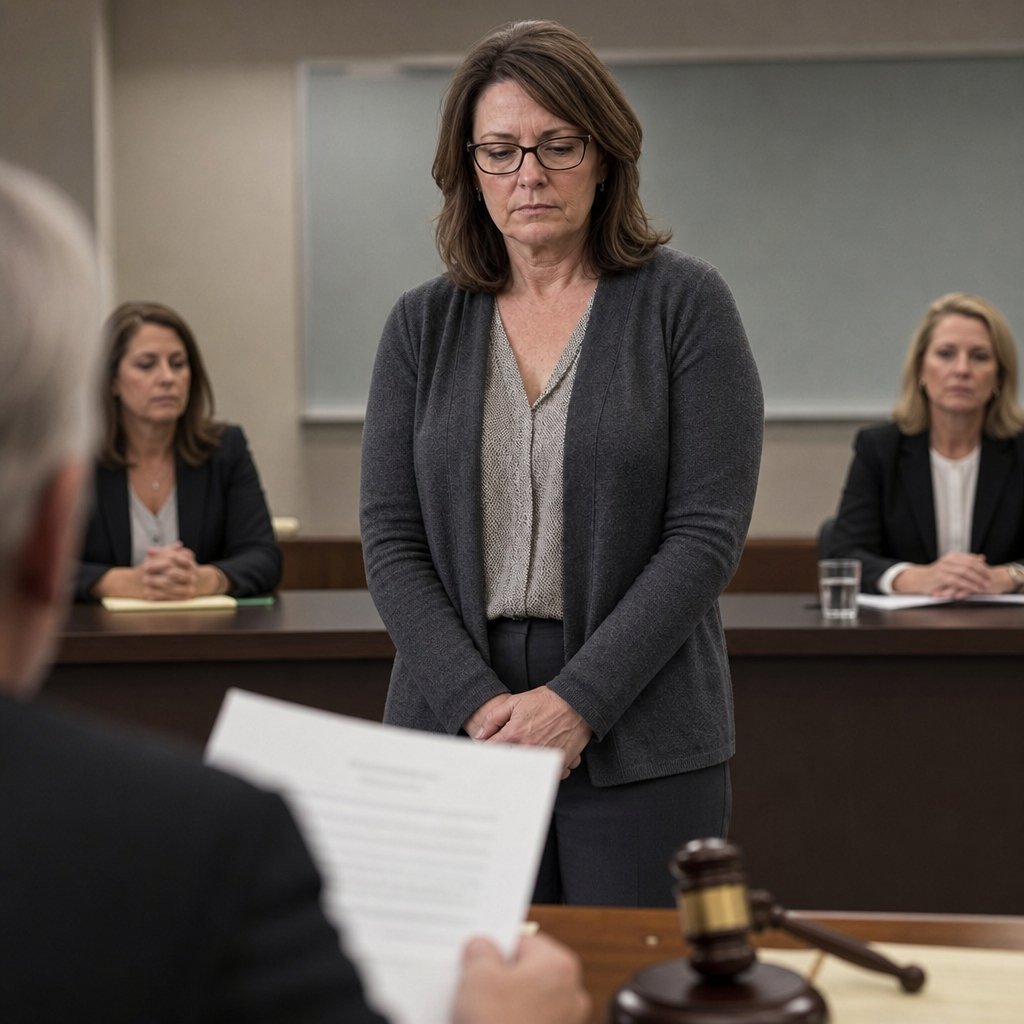
The board handed down its penalty. Renner’s teaching certificate was suspended, and she was ordered to stand before the panel and take a formal reprimand to her face. Before she could ever step back into a classroom, she’d also have to complete two courses at her own expense — one in classroom management, one in sensitivity training. In its written decision, the panel didn’t soften it, citing “a significant lack of awareness and an unwillingness to accept responsibility for her misconduct and its impact on others.” For families who’d watched their kids suffer, it sounded like accountability had finally arrived.
One month.
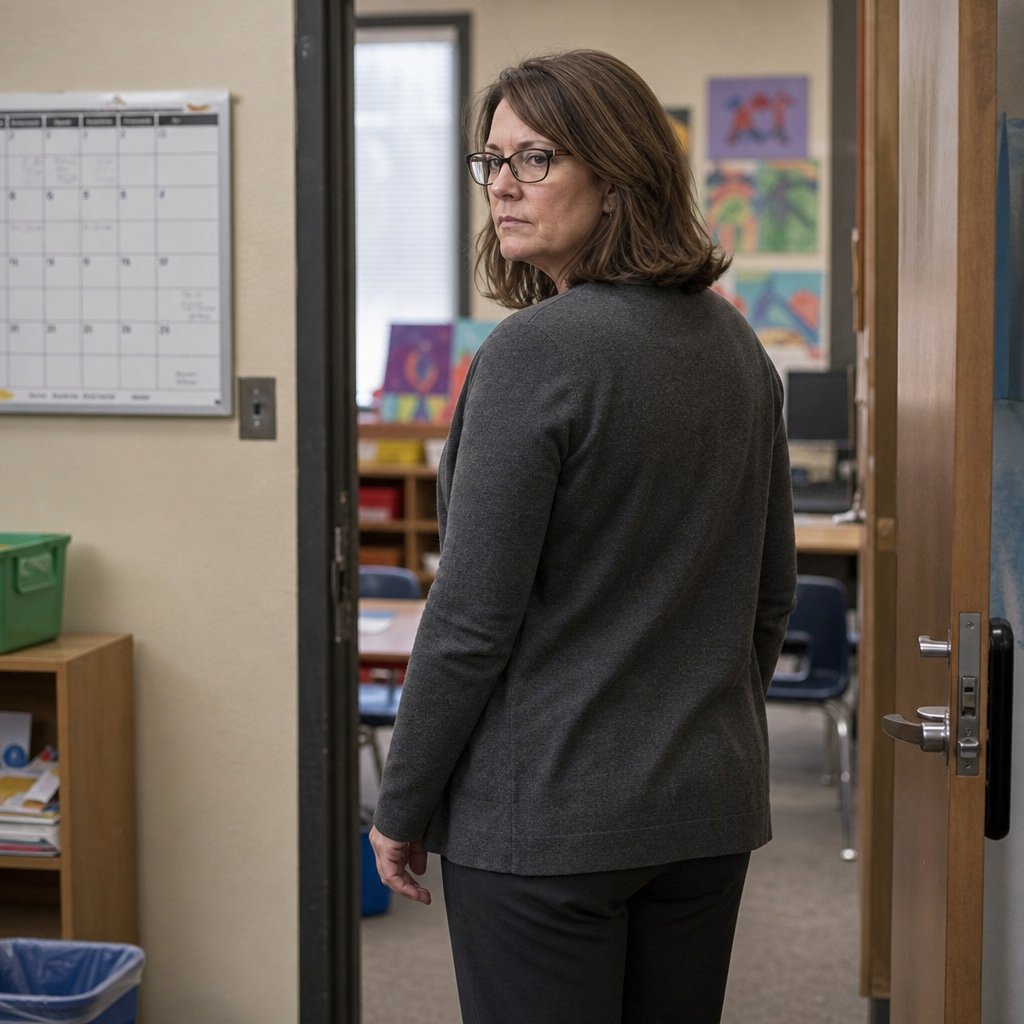
The suspension that followed years of fear, humiliation, and complaints? One month. Thirty days, a couple of courses, and a stern talking-to — and then the door back into teaching was open again. For some, the courses and the in-person reprimand were the real message: a demand that she finally understand the damage she’d done. For others, a single month felt impossibly light for a pattern that left children afraid to come to school. Both sides agree on one thing: the kids in that classroom will remember it a lot longer than thirty days. One month for years of this — fair, or a slap on the wrist? Tell us what you’d have done.
A dramatized retelling based on real teacher-discipline records. Names, locations, and identifying details have been changed. Any resemblance to actual persons is coincidental.