



It Started With a Pop Can
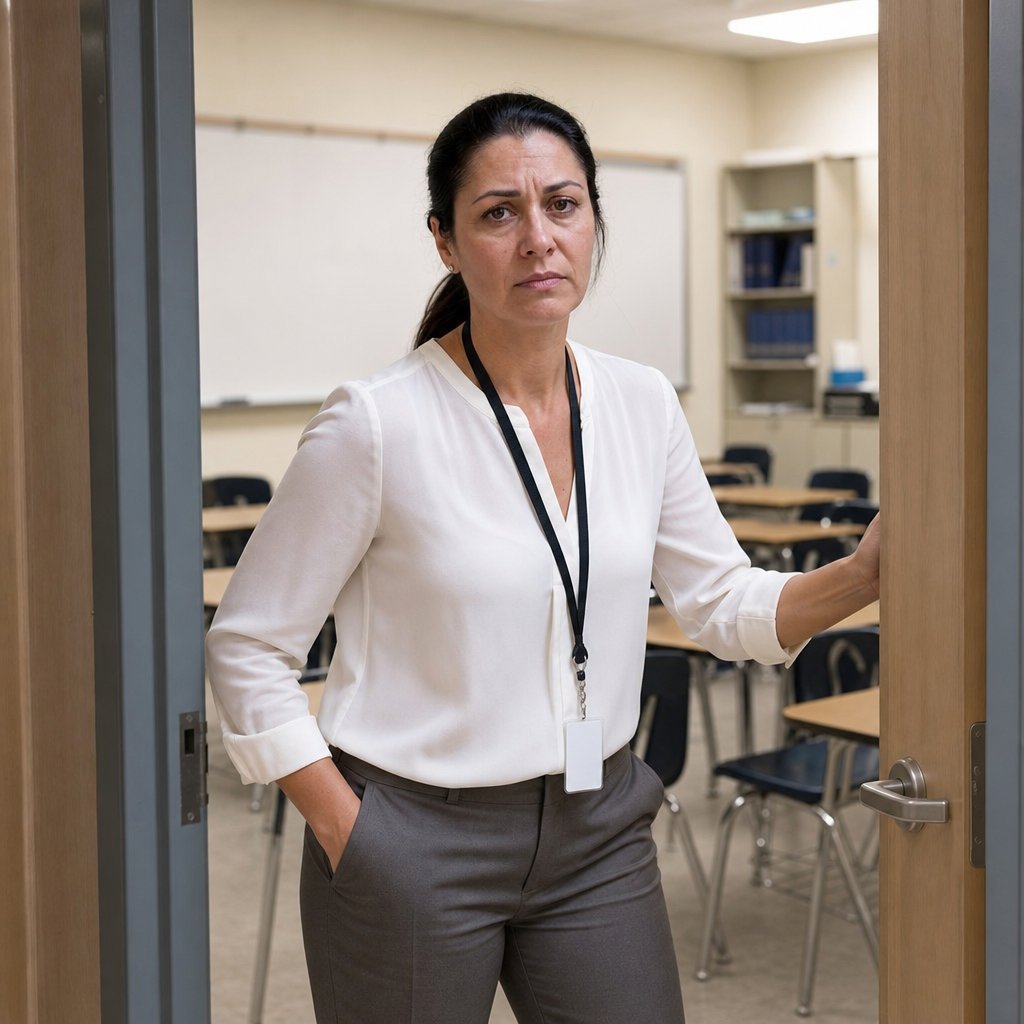
It's the kind of moment that should have ended with a shrug. A high-school student didn't put a can in the recycling bin the way his teacher wanted. That's it. That's the spark. But for Rachel Doyle, a teacher with a school board in New York, that tiny act of defiance set off a chain of events that ended with one student on the floor, a classroom door locked from the inside, and Doyle standing in front of a teachers' disciplinary board. Over a pop can.
An Ordinary High School Class
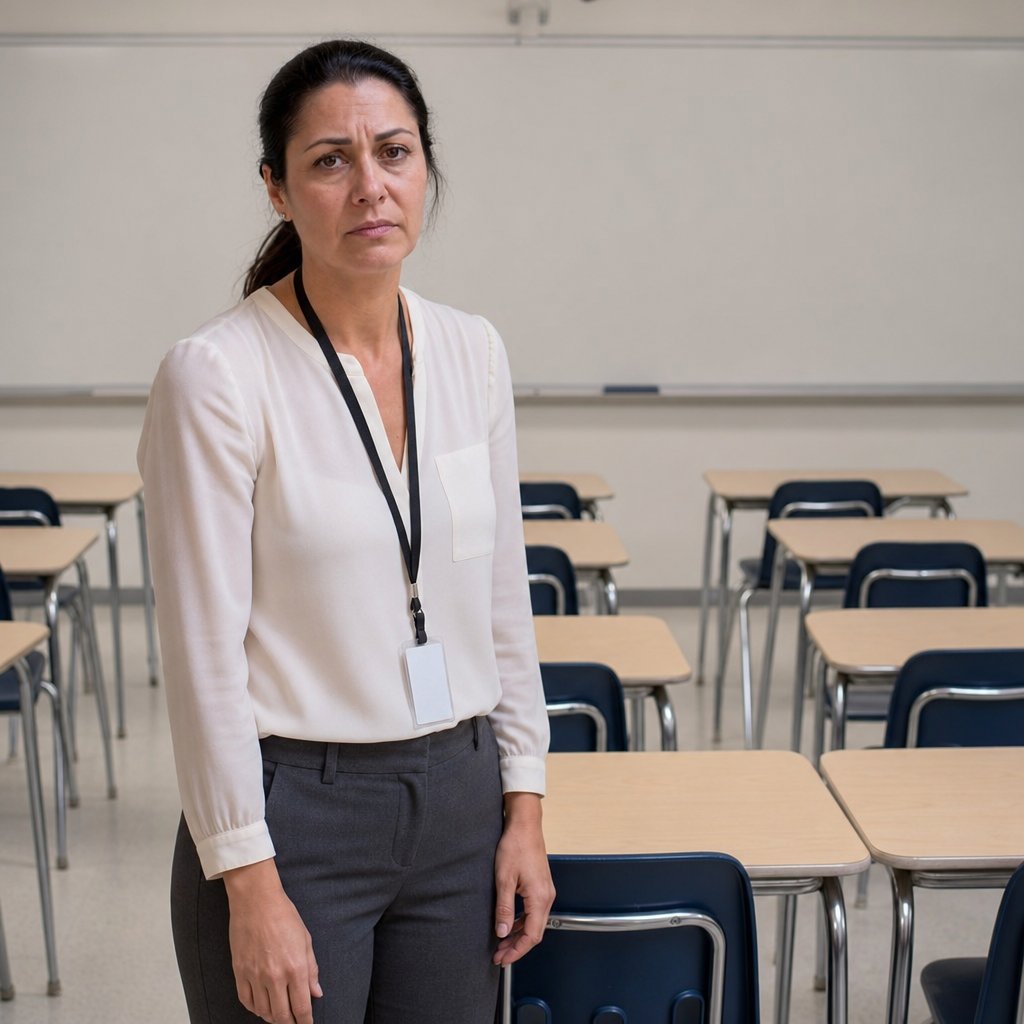
Doyle had been a certified teacher since the early 2000s — experienced enough to have handled a thousand small classroom standoffs without incident. Teenagers test limits; that's the job. A student ignoring a recycling rule is about as ordinary as a school day gets, and almost any teacher defuses it with a word and moves on. What made this day different wasn't the student. It was how the adult in the room chose to respond when a kid simply didn't do what she asked.
One Student Said No
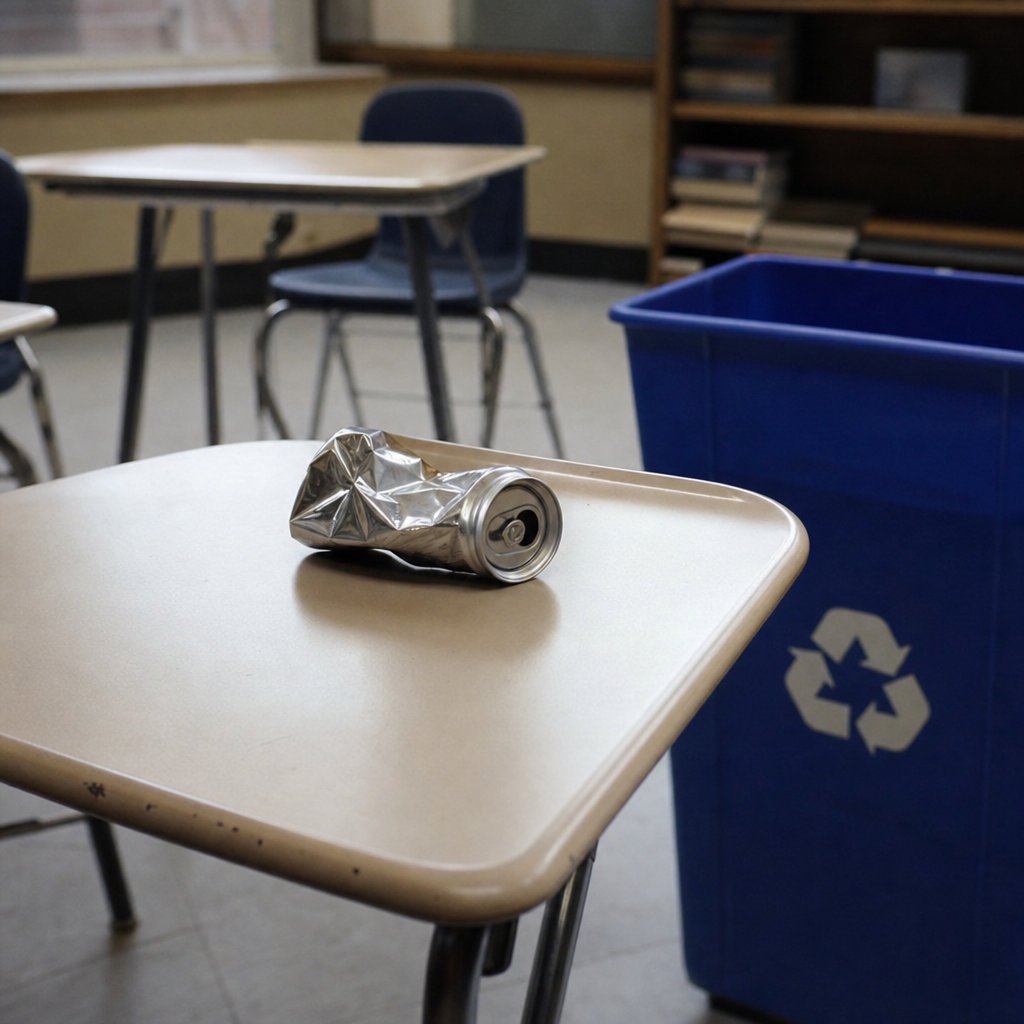
The student wouldn't dispose of his can the way Doyle directed. A refusal, sure — the kind of low-stakes pushback that fills every high school in the world. The right move was obvious: a warning, a consequence, a note home. Instead, the moment a teenager declined a small instruction, something in the room shifted. What should have been a footnote became the start of a confrontation — and the teacher, not the student, was the one who escalated it.
She Grabbed Him
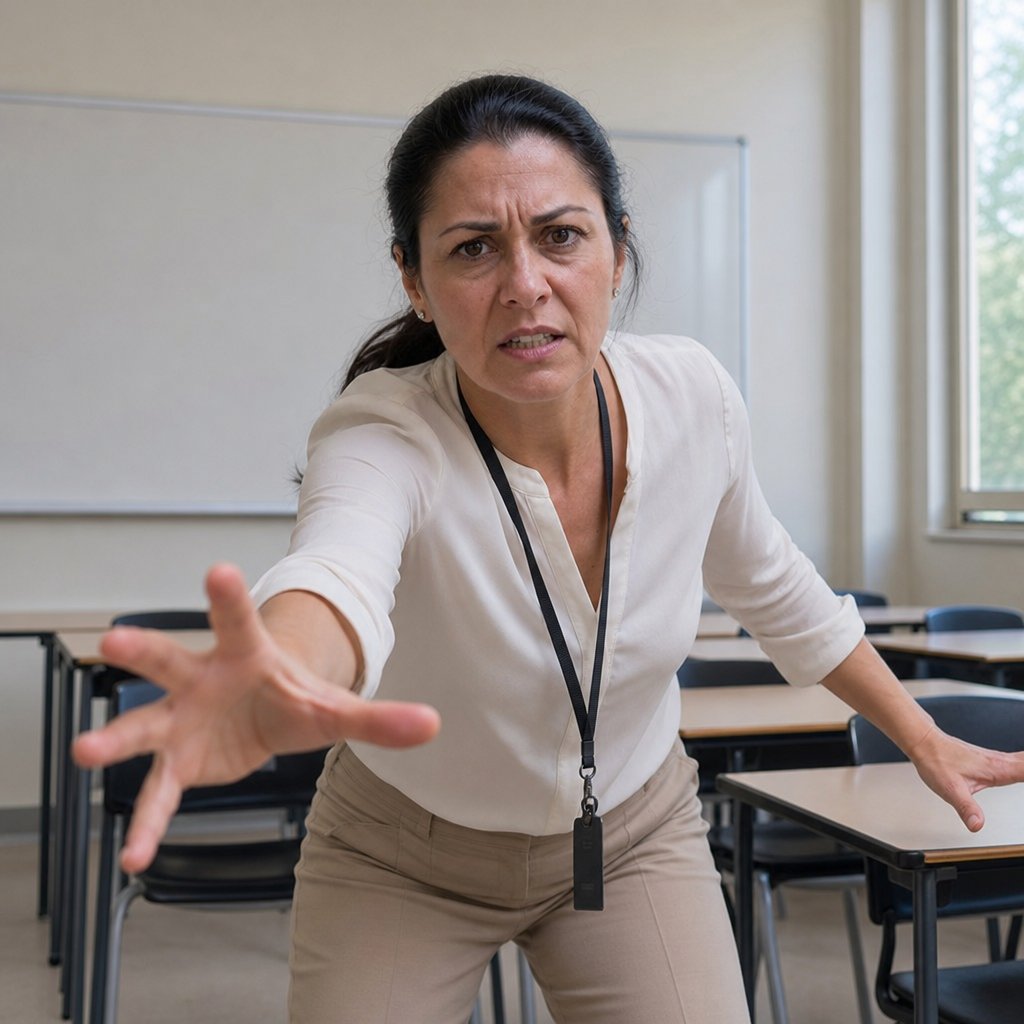
Doyle grabbed the student — specifically, his hooded sweatshirt — and put her hands on a teenager over a piece of recycling. That single act crossed the line every teacher is trained never to cross: putting your hands on a student in anger. It also did something predictable in a room full of teenagers with phones. Another student saw what was happening, and decided he wasn't going to let it go unrecorded.
Another Student Pulled Out a Phone
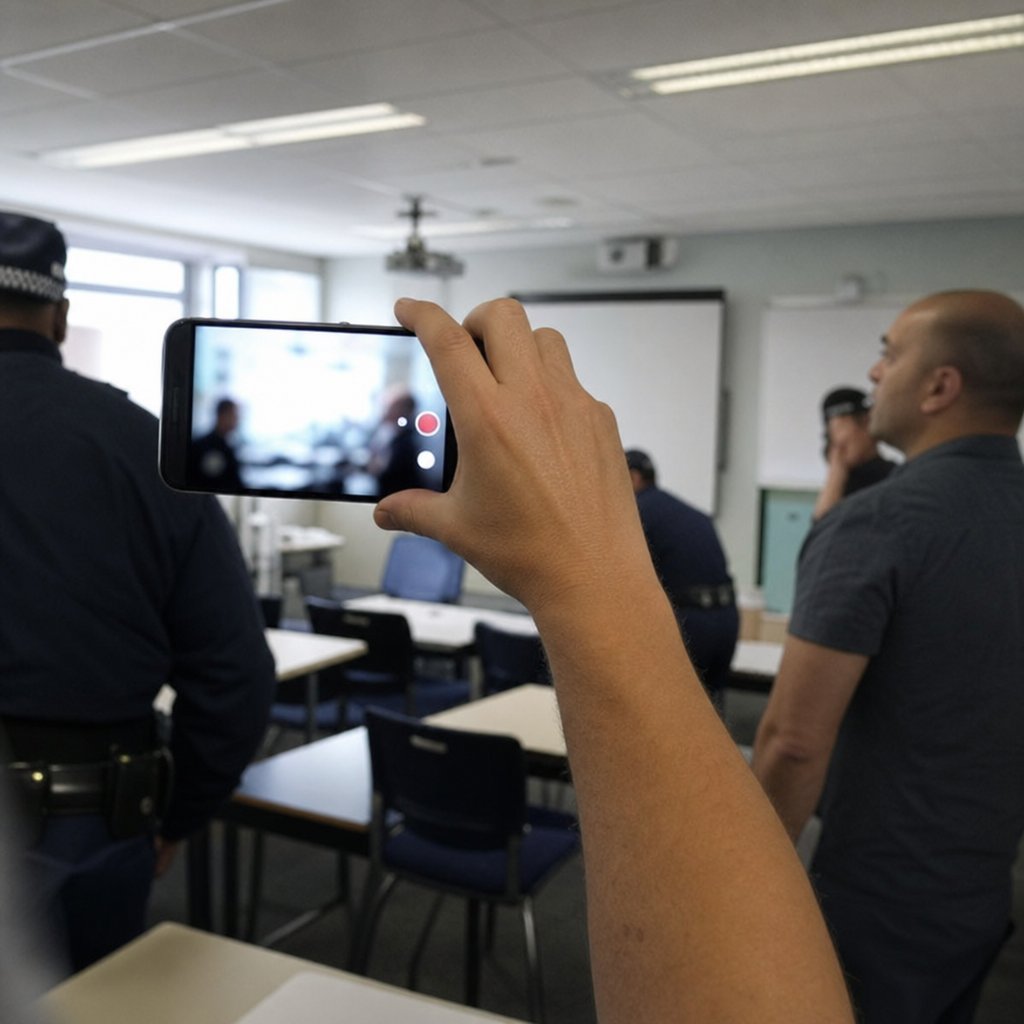
A second student threatened to film the confrontation — the modern check on adults who lose control. A teacher in the right has nothing to fear from a camera. Doyle's response told you everything: instead of stopping, she went after the phone. She reached for the second student's cellphone to stop him from recording. In trying to grab it, she put her hand on him — and that's when the day went from ugly to dangerous.
Then a Student Hit the Floor
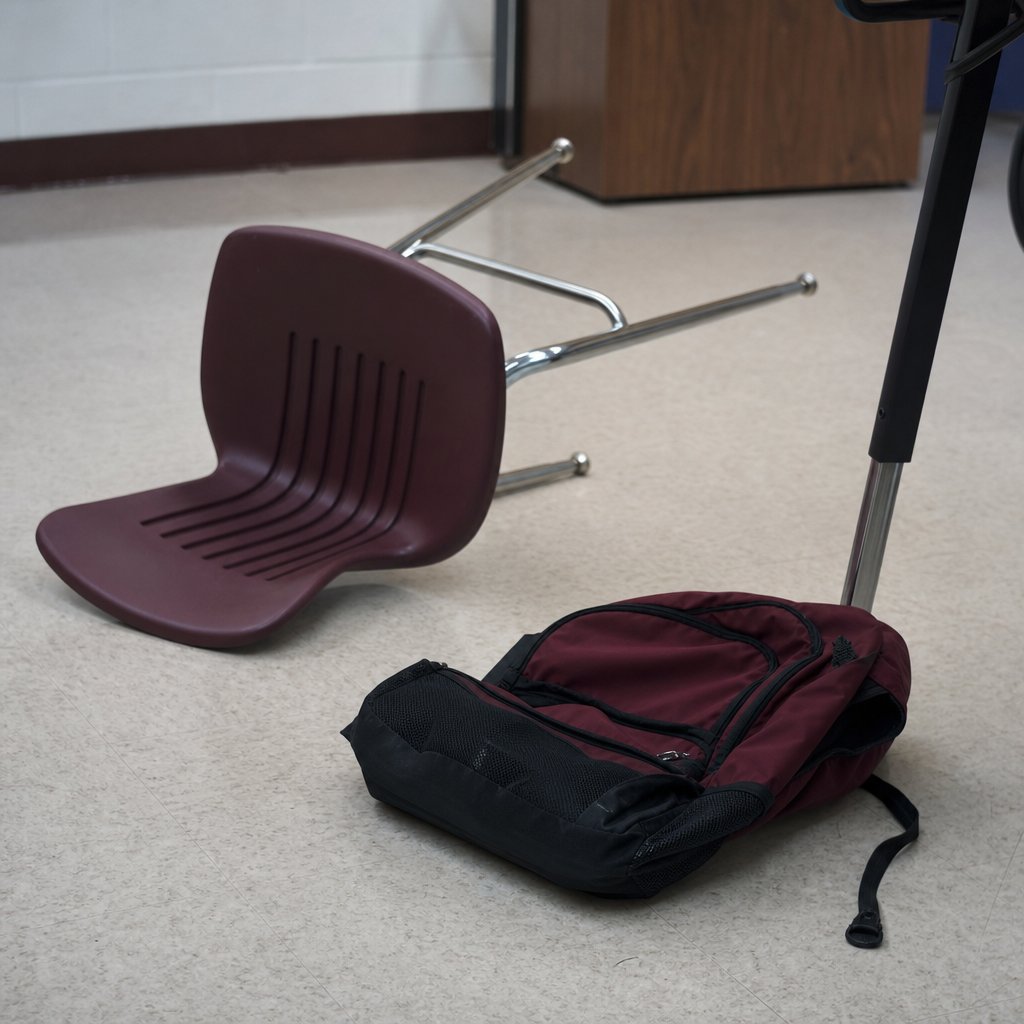
With Doyle's hand on his shoulder, the second student lost his balance and fell. A teacher had now put hands on two different students, and one of them was on the floor — all of it sparked by a can that didn't make it into a bin. Most adults, at this point, freeze and realize how far past the line they've gone. Doyle did the opposite. She moved to the door.
She Locked Them Out
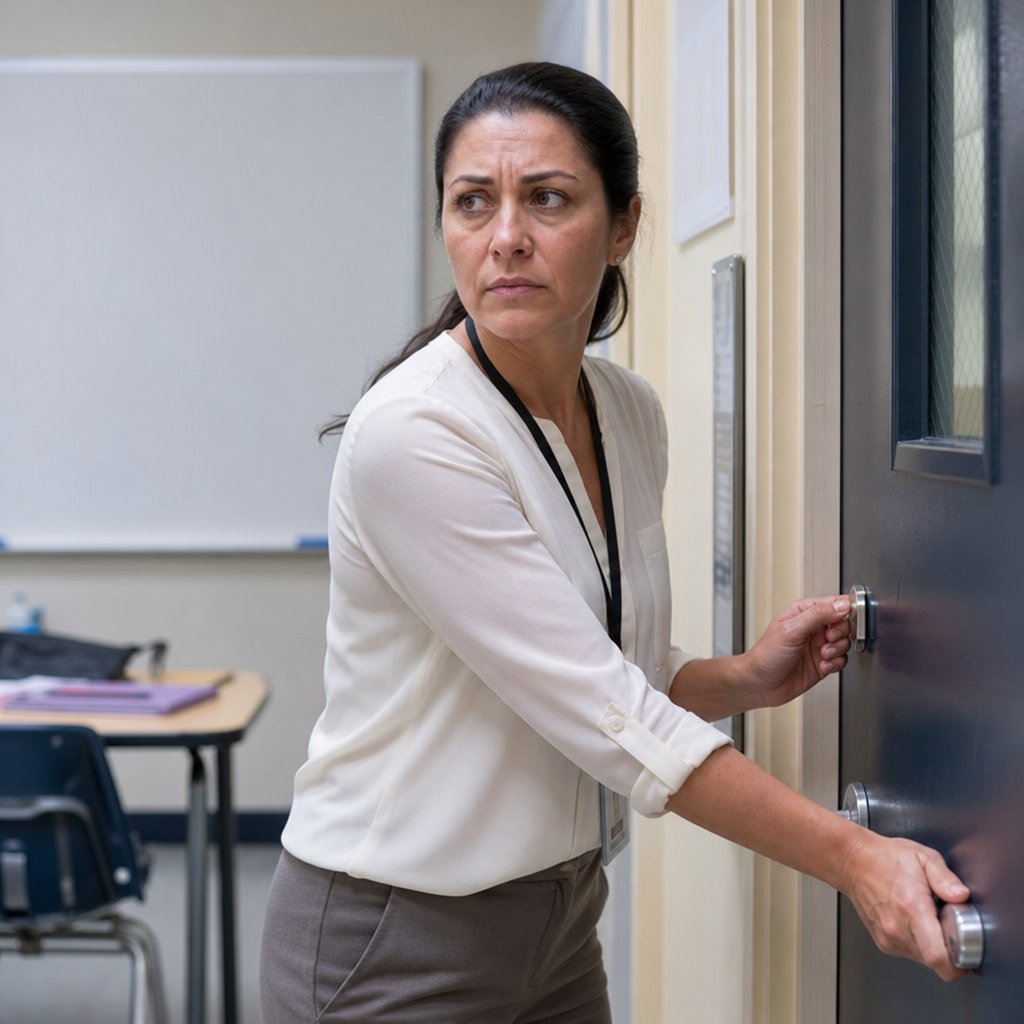
Doyle closed and locked the classroom door to keep students from coming in. When the first student — the one she'd grabbed — tried to get back into his own classroom, she pushed him and swore at him to leave. Read that back: a teacher physically barred a teenager from the room he was assigned to, shoved him, and cursed at him to go away. The recycling can was long forgotten. What was left was an adult who had completely lost control of herself in front of a class of kids.
The Board Came Down
The school board didn't wait. After investigating, it suspended Doyle for 15 days — and reported her to a teachers' disciplinary board, the body that can actually touch a teaching certificate. That's the part that tends to surprise people: the cameras, the grabbing, the fall, the locked door — the consequences are real, and they follow a teacher long after the bell. A formal hearing was scheduled, and Doyle showed up with a lawyer to answer for a confrontation she'd started over a can.
In Front of the Panel
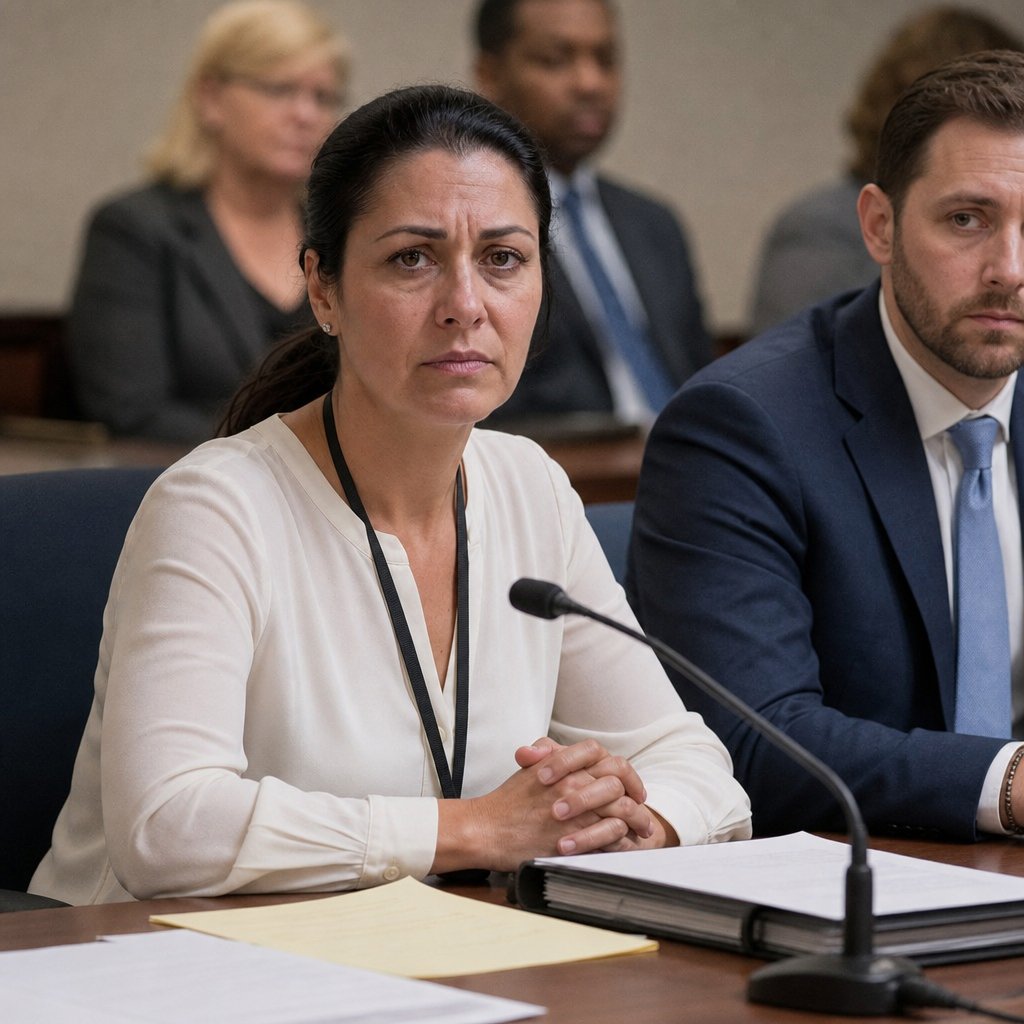
The panel walked through all of it: the grab, the reach for the phone, the student who fell, the locked door, the shove, the swearing. There wasn't much to argue. Doyle was found guilty of professional misconduct. The panel zeroed in on the real problem underneath the incident — not the recycling, but a teacher who couldn't regulate her own temper in a room full of kids, and who'd blown straight past the boundaries that are supposed to protect students from exactly this.
A Reprimand and a Course

The disciplinary board ordered Doyle to stand before it and take a formal reprimand to her face. Before stepping back into a classroom, she had to complete a course, at her own expense, on appropriate boundaries, boundary violations, and anger management. The board's 15-day suspension was the hardest hit she took. To some, the course is exactly right — she clearly needed to be taught, in writing, how to keep her hands to herself and her temper in check. To others, grabbing two students and locking one out earns more than a reprimand and a class. Over a pop can — was the punishment enough? Tell us below.
A dramatized retelling based on real teacher-discipline records. Names, locations, and identifying details have been changed. Any resemblance to actual persons is coincidental.