




Tape Over Their Mouths

The little ones loved Joan Pruett. To the parents of her Indiana elementary class she was the gentle, grey-haired teacher who sent home gold-star notes and remembered every birthday. But behind the cheerful alphabet poster and the row of tiny backpacks, something colder was unfolding each morning. Whenever the room grew too loud, witnesses would later say, Pruett did not raise a calming hand. Instead she reached for a roll of ordinary clear tape, peeled off a strip, and handed it to a six-year-old — instructing the child to press it over their own mouth and keep it there. The classroom would fall silent, the way she liked it. For months the children went home and said nothing. They thought this was simply how school worked. But one small detail, mentioned at a dinner table, was about to unravel everything Joan Pruett had built. What did that child finally say out loud?
The Teacher Everyone Trusted

For years Joan Pruett had been a fixture of her small Indiana school board — the kind of veteran teacher principals point to when prospective parents tour the halls. She had the credentials, the tenure, the framed certificates, and a reputation for running a quiet, orderly room. Mothers requested her by name. Colleagues described her as old-fashioned but devoted, a woman who believed deeply in structure and silence. That reputation was precisely why the first whispers were so hard to believe. When a parent gently raised a concern, it was waved away; surely sweet Mrs. Pruett would never. The trust she had banked over a long career became a shield, and the children — too young to understand that what happened to them was wrong — had no words to pierce it. They only knew that being loud had consequences. The first crack in that wall would come from somewhere nobody expected. Where do you think it started?
Something Felt Wrong At Home
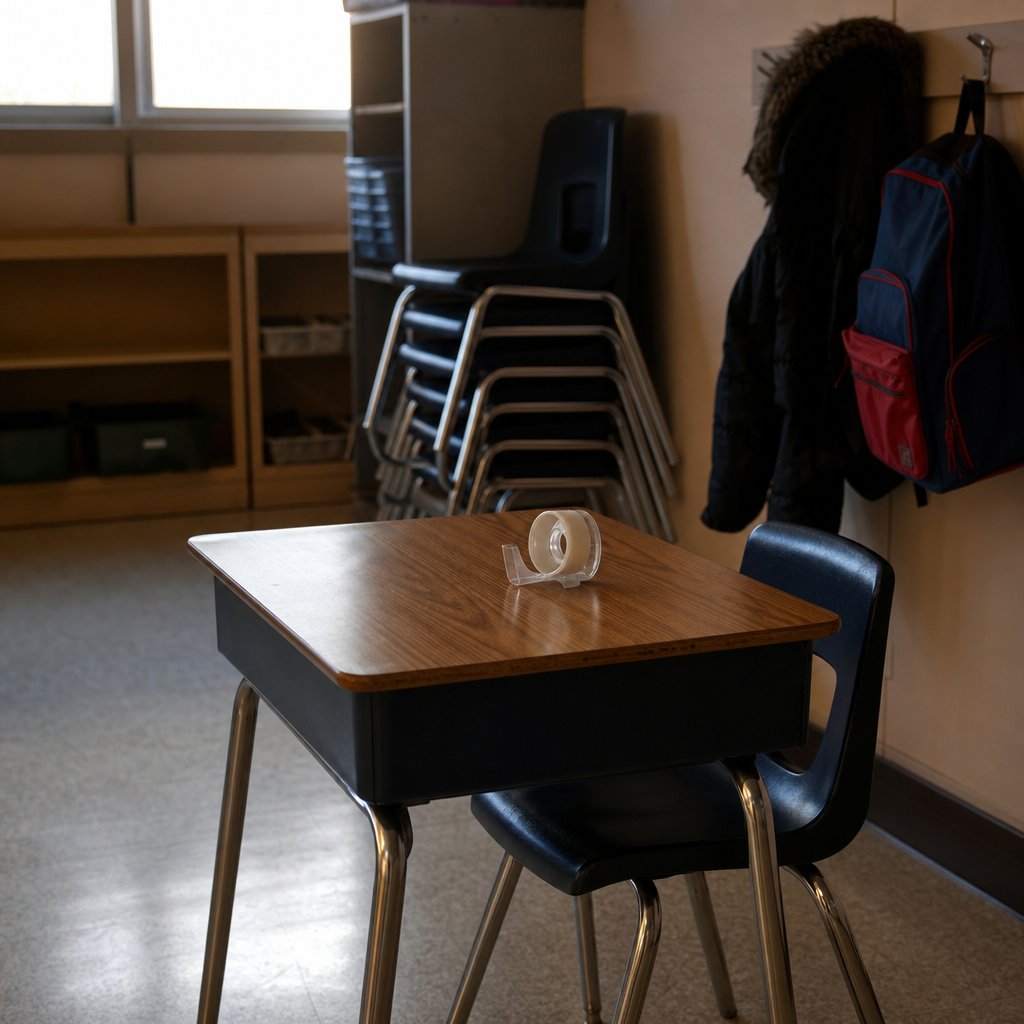
It began, as these things often do, with a child who suddenly hated school. A bright, chatty kindergartner who once raced to the classroom door now clung to a parent's leg and begged to stay home. At bath time the parent noticed faint marks at the corners of the child's mouth and asked, lightly, what had happened. The answer came in the flat, matter-of-fact way only a small child can manage: the teacher gives us tape, and we have to put it on our mouths so we're quiet. The parent froze. Surely the child had misunderstood — a game, maybe, a craft project gone wrong. But the more questions they asked, the worse it sounded. There were other things, too, the child mentioned almost in passing. Things involving feet. Things involving gum. The parent's stomach turned. By morning, a single phone call would set off a chain no one could stop. Who picked up the phone first?
Tape Under Their Feet

Once one parent spoke, others did too — and the picture that emerged was stranger and crueler than anyone first feared. The tape, it turned out, was not always for mouths. On some days, children said, Mrs. Pruett peeled off strips and made them place the tape under their feet, ordering them to keep still as statues, not to shuffle, not to fidget, not to make a sound against the floor. Small bodies that are built to wiggle were told to freeze in place or face her sharp, rising voice. And the voice was its own punishment. Several children described being screamed at — the warm storyteller from open house replaced by something that made them flinch and stare at their shoes. The orderly, silent classroom the adults had admired was the product of fear, not respect. But investigators would soon learn the tape was not even the most bizarre thing Pruett had done. What did they find in a child's shoe?
The Gum In The Shoe
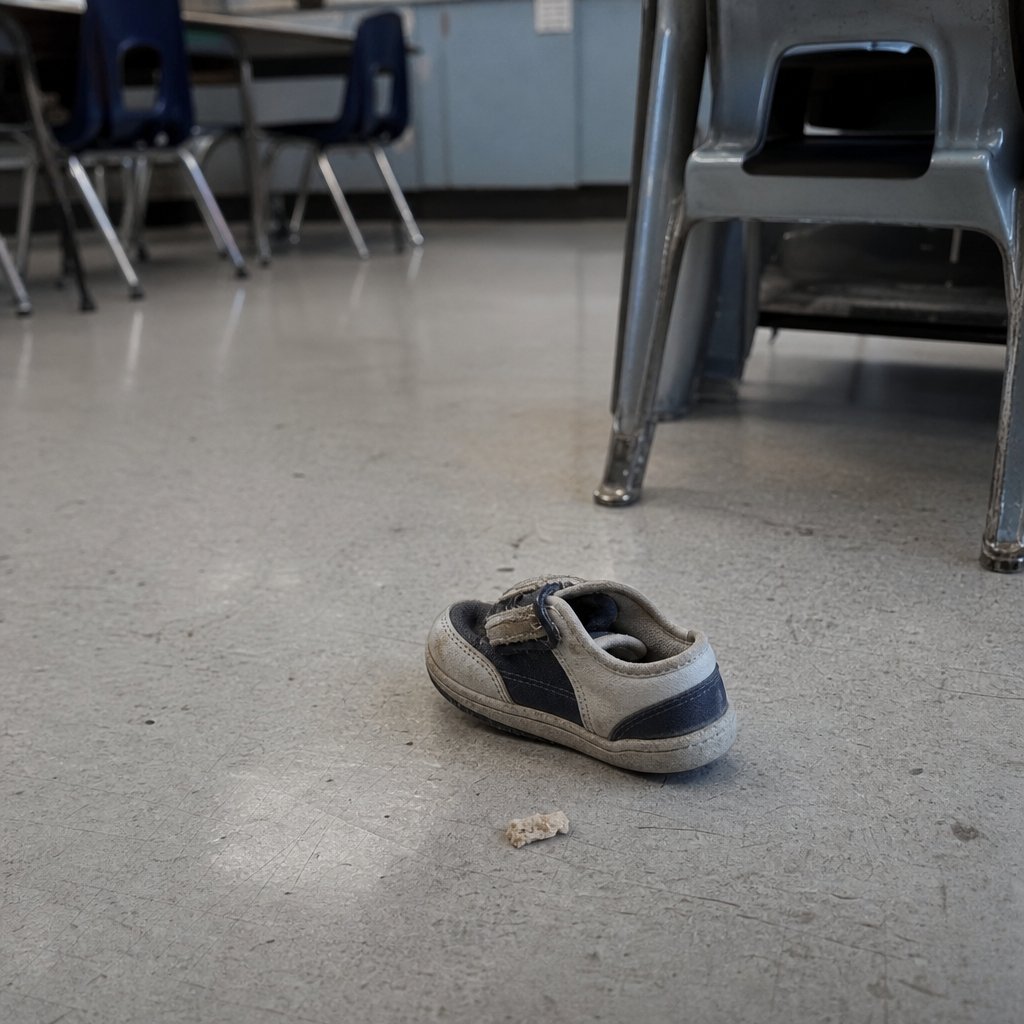
The detail that turned stomachs across the school board involved chewing gum. According to what came out, Pruett had taken gum and placed it in or under a young student's shoe — a small, degrading act with no conceivable purpose but humiliation. For a child that age, the school day is a world entire; the teacher is a near-godlike authority. To have that authority single you out, to feel something sticky and wrong against your foot and be told to say nothing, is a kind of cruelty that leaves no bruise a doctor can chart. The children did not have the vocabulary for what was being done to them, only the dim certainty that it was shameful and that they should keep quiet. And quiet they stayed — until the tape gave them away. Now the accounts were piling up, each one stranger than the last, and the board could no longer look the other way. What would the adults finally do?
The Quiet Investigation

Behind closed doors, the machinery began to move. Statements were gathered, quietly and carefully, from frightened families who worried no one would believe their small children over a respected veteran. A disciplinary review was opened. For Pruett, the unraveling must have felt surreal — the orderly world she had ruled for years now reframed, line by line, as a catalogue of misconduct. The screaming. The tape over mouths. The tape under feet. The gum. Each item set down in plain, clinical language on a page. There would be no dramatic raid, no flashing lights, only the slow, grinding weight of an inquiry that does not forget. The parents who had once felt foolish for doubting sweet Mrs. Pruett now waited to see whether the system would treat what happened to their children as the serious harm they knew it to be. And Joan Pruett, for the first time, had to answer for the silence she had forced. What would she admit?
What She Admitted

In the end, Joan Pruett did not fight the truth of it. As the matter moved toward resolution, she admitted she had used inappropriate classroom-management and discipline strategies — and, specifically, that she had used tape on her young students in ways no teacher ever should. It was a careful, lawyerly phrase for a deeply unsettling reality, but it was, at last, an acknowledgment. The woman who had ruled by enforced silence now sat in a quiet room and conceded, in writing, that her methods had been wrong. For the families who had spent months wondering whether anyone would listen, the admission landed with a strange mix of vindication and grief. Their children had been believed. But an admission is only half the story; the question that consumed every parent now was what would happen to her. Would a teacher who taped children's mouths shut still be allowed to stand at the front of a class? What did the board decide?
The Agreed Resolution
The case did not end with a dramatic public trial. Instead, Pruett and the board reached an agreed resolution — a negotiated outcome in which the misconduct was formally acknowledged and the consequences set down on paper. At the center of it was a written admonishment: a formal, lasting reprimand entered against her name, the institutional equivalent of a permanent mark of shame. But the board did not stop at words. As part of the resolution, Pruett was ordered to complete an additional qualification course and to undergo training designed to address the very failures that had defined her classroom — instruction in proper classroom management, in resolving conflict without cruelty, and counselling to manage the anger her young students had felt the full force of. It was a sweeping list of requirements, an attempt to rebuild a teacher from the inside out. For the watching parents, though, one burning question remained. Was a reprimand and some training really enough?
The Long List Of Conditions
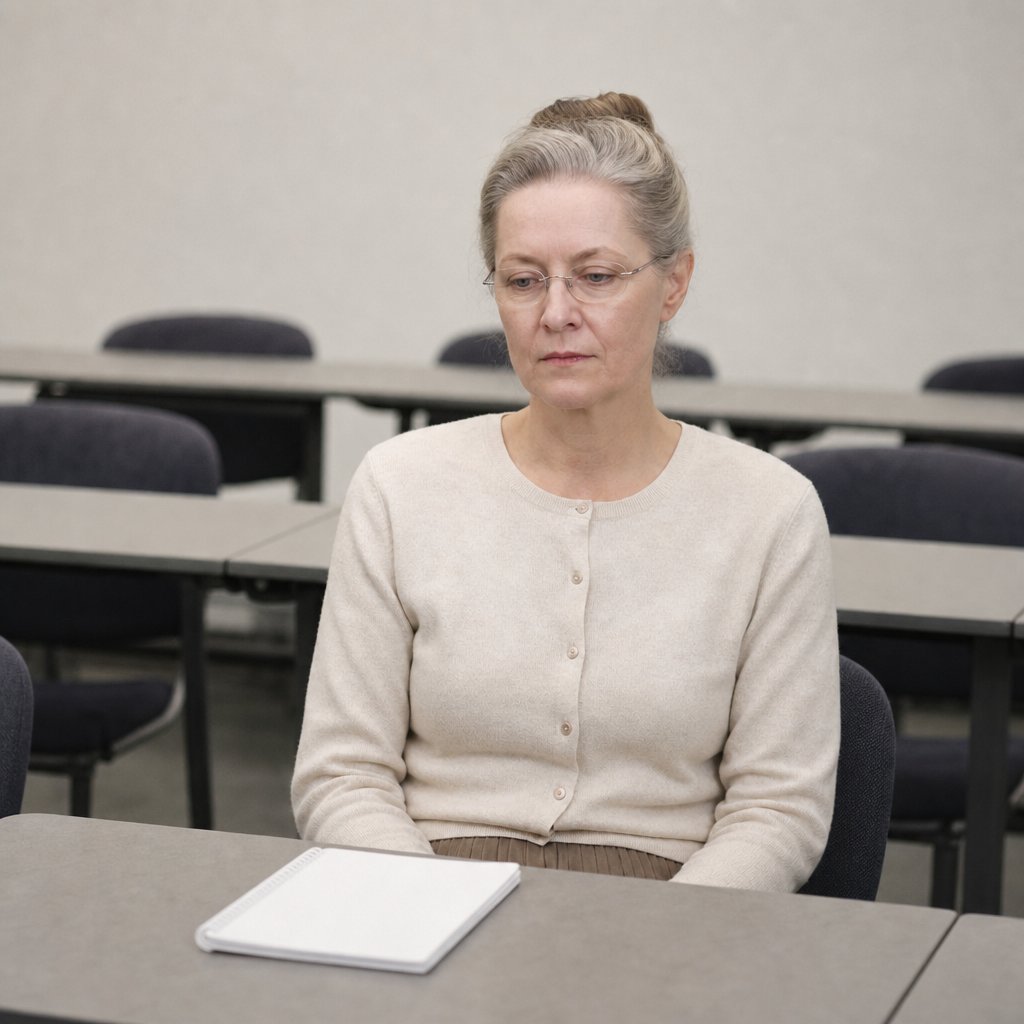
The conditions attached to the resolution read like a road map back to the basics of being a teacher. Anger-management counselling, to confront the screaming that had made small children flinch. Conflict-resolution training, to learn responses other than tape and humiliation. Classroom-management instruction and an additional course, all required before the board would consider the matter closed. Picture the veteran educator — once so certain, so admired — now seated among empty chairs in a training room, made to relearn how to treat the children entrusted to her. There was something almost fitting in the image: the woman who had demanded silence now made to sit and listen. Yet for the families, the calculus was harder. Their children had been taped, screamed at, and degraded with gum in a shoe, and the outcome was a letter and a list of courses. No handcuffs. No headlines. Just paperwork and a promise to do better. Did the punishment come close to fitting the strangeness of what she did?
Did The Punishment Fit?

And so the file closed. Joan Pruett kept her place in the profession, carrying a written reprimand and a stack of completed courses, while somewhere in a small Indiana town a handful of children grew up with a peculiar, sticky memory of the year their teacher handed them tape and told them to silence themselves. The conduct was acknowledged, the harm was named, the conditions were imposed — and yet the punishment never made the news, never put her in a courtroom, never barred her from a classroom door. To some, the training and the formal admonishment were a fair, rehabilitative end for a long-serving teacher who admitted her wrongs. To others, it felt impossibly light for cruelties so strange and so deliberately humiliating, inflicted on the youngest and most defenseless students in the building. The tape is long gone now, but the question it left behind still sticks. If your six-year-old had been told to tape their own mouth shut, would a written reprimand and an anger-management course ever feel like enough?
A dramatized retelling based on real teacher-discipline records. Names, locations, and identifying details have been changed. Any resemblance to actual persons is coincidental.