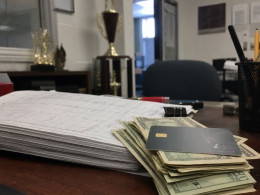




The Chair That Tipped Too Far

Sharon Maddox had given the speech so many times the words barely registered anymore. Keep all four legs on the floor. You'll crack your head open one of these days. In her Iowa classroom, the autumn light slanting low through the windows, she watched the same boy do the same thing he always did — rock backward, balancing on the front two legs of his chair, grinning at some private joke. She had warned him. She had warned all of them, repeatedly, that tipping a chair was a hazard, an accident waiting to happen. Most days she let it go with a sharp word. But this day something in her was already frayed thin, stretched past the patient teacher voice the parents never heard. She crossed the room behind him, quiet on the worn tile, and what happened next would take only a second — and follow her for years.
A Career Built on Patience

By the time of the incident, Sharon had been a certified teacher for well over a decade, having earned her credential back in 2005. Colleagues knew her as steady, dependable, the kind of teacher who stayed late and remembered every kid's birthday. She was not a tyrant. She was not the cold disciplinarian whispered about in staff rooms. She was, by every account, ordinary — and that ordinariness is exactly what made what came next so hard to square. People who use inappropriate force on a child, the comfortable assumption goes, are monsters you can spot a mile off. Sharon was nobody's monster. She was a tired woman in a small Iowa town who had spent years asking children, politely, to please put their chairs down. The tragedy of her story isn't villainy. It's how thin the line is between a hundred ignored warnings and one that finally snapped.
Late Autumn, A Room Full of Restlessness

It was late autumn, the restless stretch of the school year when the holidays still feel far off and the days go gray and short. The classroom hummed with the low static of children who would rather be anywhere else. The boy at the center of it all was, by every indication, just being a boy — leaning back, testing gravity, doing the exact thing he'd been told a dozen times not to do. To him it was a game. To Sharon, standing behind him with her patience worn to the bone, it was the same defiance she'd been correcting all autumn, all year, for years. Something tightened in her chest. She didn't shout this time. She didn't reach for the calm, sing-song redirect she'd used a thousand times. She did something else entirely — something fast, something physical — and the room was about to go very quiet.
One Second, No Warning
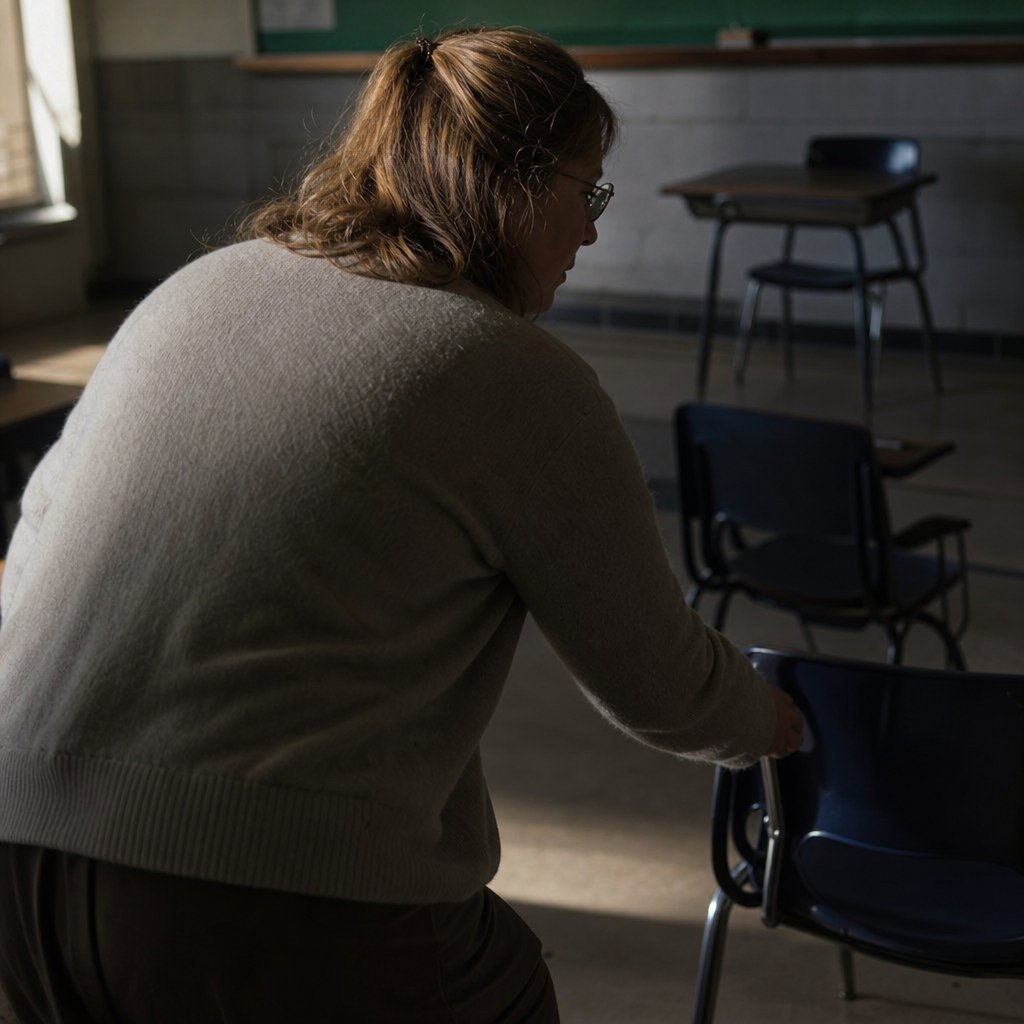
Without a word of warning, Sharon came up from behind the chair and applied force to it — force a disciplinary panel would later describe, in its careful language, as inappropriate. It was not a tap. It was not a steadying hand. In a flash of frustration she had not planned and could not take back, she did to the chair exactly what she had spent years telling children would end in disaster. The laws of physics did the rest. The chair, already balanced on two legs, had nowhere to go but down — and the boy went with it. There was the scrape of metal, the sick clatter of furniture hitting tile, the gasp of a room snapping to attention. For one frozen instant Sharon stood over the wreckage of her own warning made real, the awful understanding already flooding in. Then the boy started to cry, and reached for his wrist.
The Sound of a Wrist Breaking
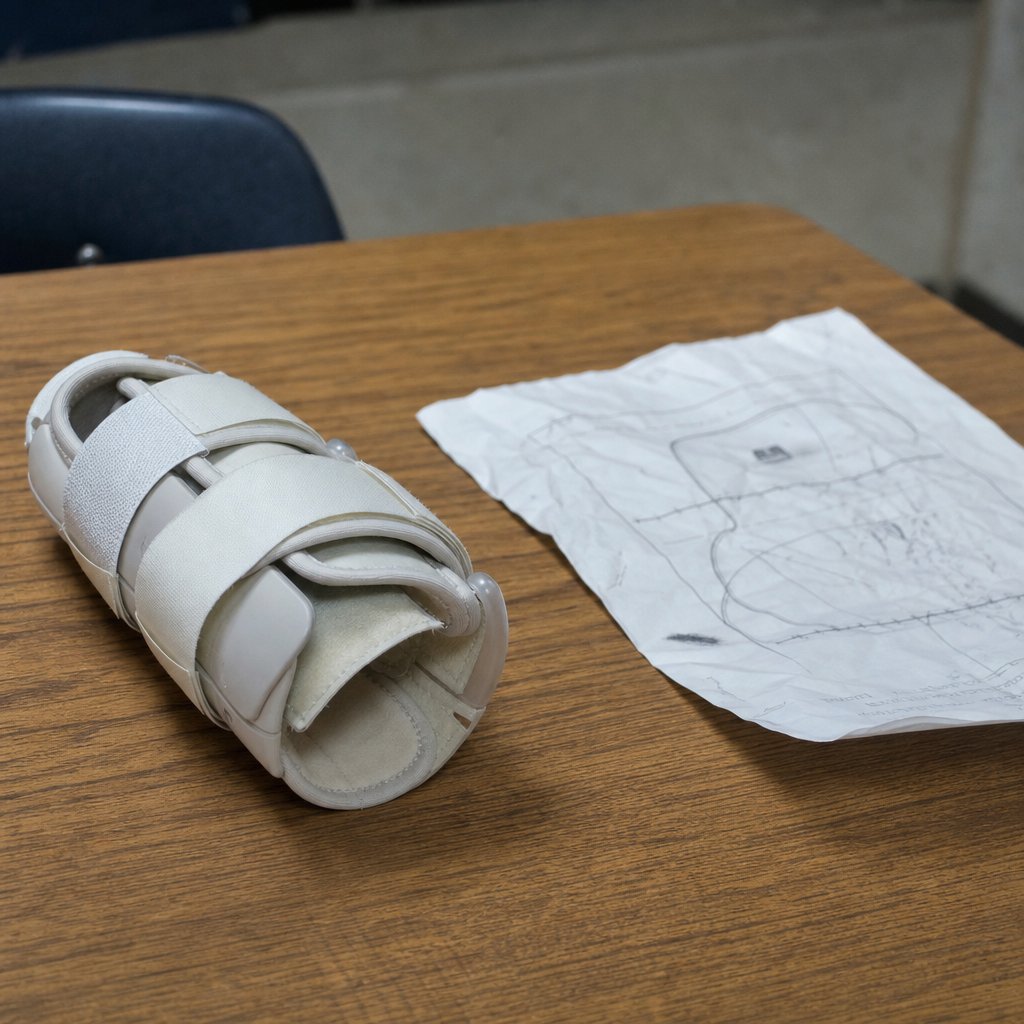
The harm was real, and it was immediate. The boy had landed hard, and his wrist took the brunt of the fall. There was no shrugging it off, no walking it back as a scare that came to nothing. In the days that followed he would be fitted with a brace, and he would wear it for several weeks — a small, rigid reminder strapped to a child's arm in a place that was supposed to be safe. Every morning his parents would help him work it on. Every day his classmates would see it. Every time Sharon looked at that brace she would know exactly what had put it there. A teacher's job, stripped to its core, is to keep children from getting hurt. In one unthinking second she had become the reason a child was hurt. And the question now hanging over the whole classroom was simple and merciless: what was she going to do about it?
She Turned Herself In

Here is where Sharon's story refuses to fit the easy mold. She did not cover it up. She did not spin it, did not coach the boy on what to say, did not bury it in a quiet phone call home and hope it faded. She apologized to the student directly, telling him — and meaning it — that she had never intended for him to fall. And then she walked to the principal's office and reported herself. In her own words, by her own choice, she laid out what she had done. It is a strange and human thing, this collision of recklessness and conscience: the same woman who lost her temper in one second was, in the next, unable to live with hiding it. But self-reporting does not undo an injury. The wheels were already turning, and outside the school walls, investigators were about to take a very hard look at exactly what had happened in that classroom.
Investigators Confirm The Harm

Because a child had been hurt, the matter could not stay inside the school. Child-protection investigators stepped in to do what they do — to look past the apology and the self-report and the good intentions, and establish the cold facts. They examined the incident, and they reached a conclusion that left no room to soften it: the student had suffered physical harm as a direct result of Sharon's actions. Not an accident she happened to be near. Not a fall she failed to prevent. Harm she had caused. That finding changed everything. A teacher might survive a lapse in judgment in the court of staff-room gossip, but an official determination of harm to a child is a different weight entirely. It follows you onto the record. It hands the next set of authorities everything they need. The school moved to discipline her — and Sharon, to the surprise of some, decided to fight back.
She Fought The Discipline And Won

The school tried to impose discipline of its own. Sharon grieved it — formally challenging the penalty through the process available to her — and she won. The school's discipline was overturned. To outsiders it can look like a contradiction: the woman who reported herself now fighting the consequences. But the two impulses lived side by side in her. She had owned the act; that did not mean she would accept every punishment handed down for it. And while she pushed back on one front, she was quietly moving on another. On her own initiative, with nobody ordering her to, she enrolled in and completed a thirty-six-hour course in classroom management — three full days of study aimed squarely at the failure that had put a brace on a child's wrist. She was building a case, in her conduct, that she had learned. But one authority was still waiting to weigh in — and its verdict would carry her professional name.
Guilty Of Professional Misconduct

The matter reached a teachers' disciplinary board, and by then much of the drama had drained out of the proceedings. There would be no surprise witnesses, no tense cross-examination, no fight over what had happened. Sharon entered into an agreed statement of facts and a guilty plea. She did not contest it. The board found her guilty of professional misconduct — the formal stain that every teacher dreads, the words that attach to a career and do not come off. On paper, it was a serious finding: a professional, entrusted with children, judged to have crossed a line and harmed one of them. The only question left was what the board would actually do about it. Given the injury, given the official finding of harm, given that a child had worn a brace for weeks because of her — many would have braced themselves for the worst. What came instead would leave more than a few people stunned.
A Reprimand And A Course
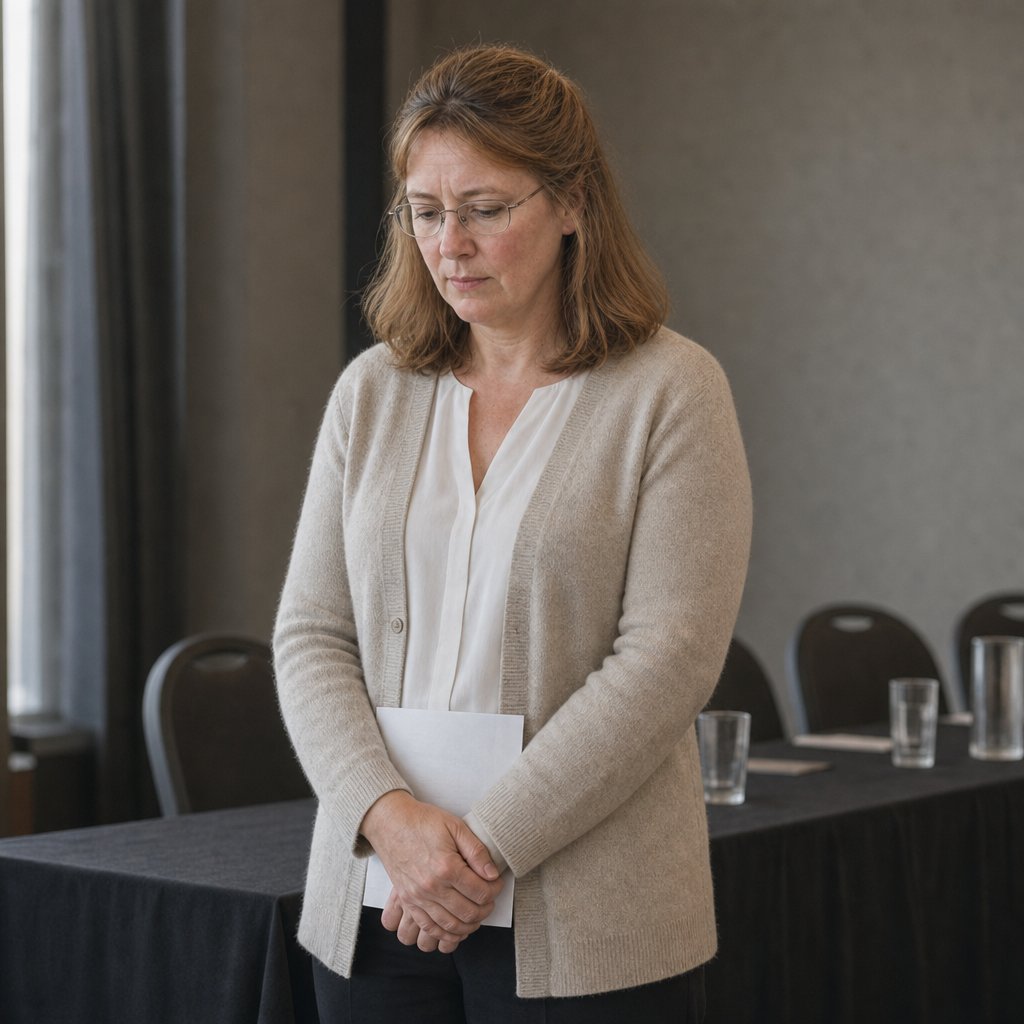
The reckoning, when it came, was remarkably small. The board ordered Sharon to appear in person for a reprimand — delivered to her face, immediately after the hearing — and to provide written confirmation that she had completed a course on classroom management and boundaries, the very training she had already taken on her own. No suspension. No revoked license. No bar from the classroom. A stern talking-to and a piece of paper proving she'd taken a class she'd chosen to take anyway. To some, it was mercy that fit the facts: a good teacher, one reckless second, genuine remorse, self-reported, already corrected. To others, it was a child's broken wrist answered with a lecture and a certificate. She stood and took the reprimand, and then she went back to teaching. If a moment's lost temper put a brace on a child's wrist for weeks, is a face-to-face scolding really enough — or did she get off easy?
A dramatized retelling based on real teacher-discipline records. Names, locations, and identifying details have been changed. Any resemblance to actual persons is coincidental.