


The Flame Jumped The Bench
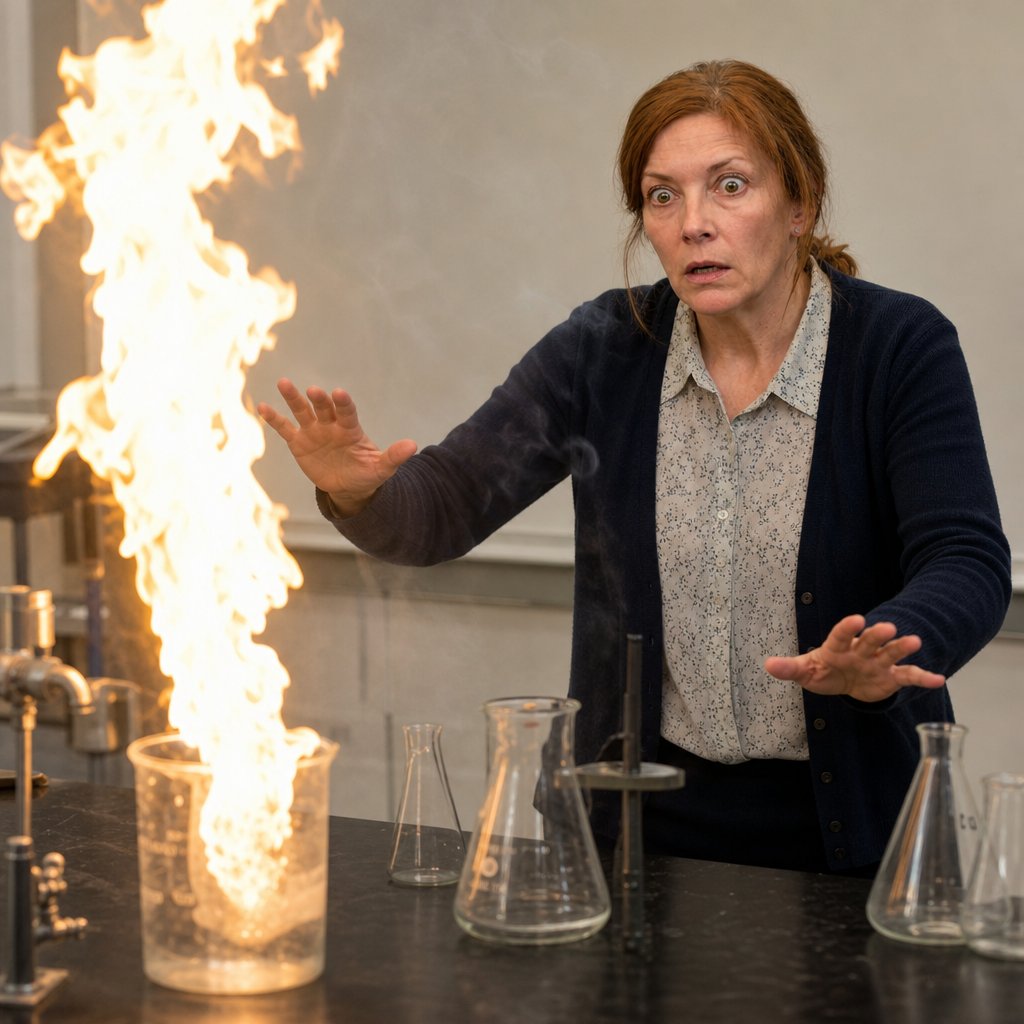
It was supposed to be the fun part of the day. Marisa Albright, a science teacher at a school board in Oregon, had offered to show her class a little chemistry magic — the kind of demonstration that makes teenagers forget they're in a classroom. She leaned over the front bench, reached for a chemical, and added it to an open flame. What happened next took less than a second. The fire didn't flicker. It leapt. A flash of orange tore upward off the bench, bright enough to wash the whole room white for an instant. Students gasped. Someone screamed. And the four kids seated in the very front row — closest to the bench, closest to Marisa, closest to everything — looked up just in time to see the flame coming toward them. Nobody in that room had any idea what she was about to do next.
A Teacher They Trusted
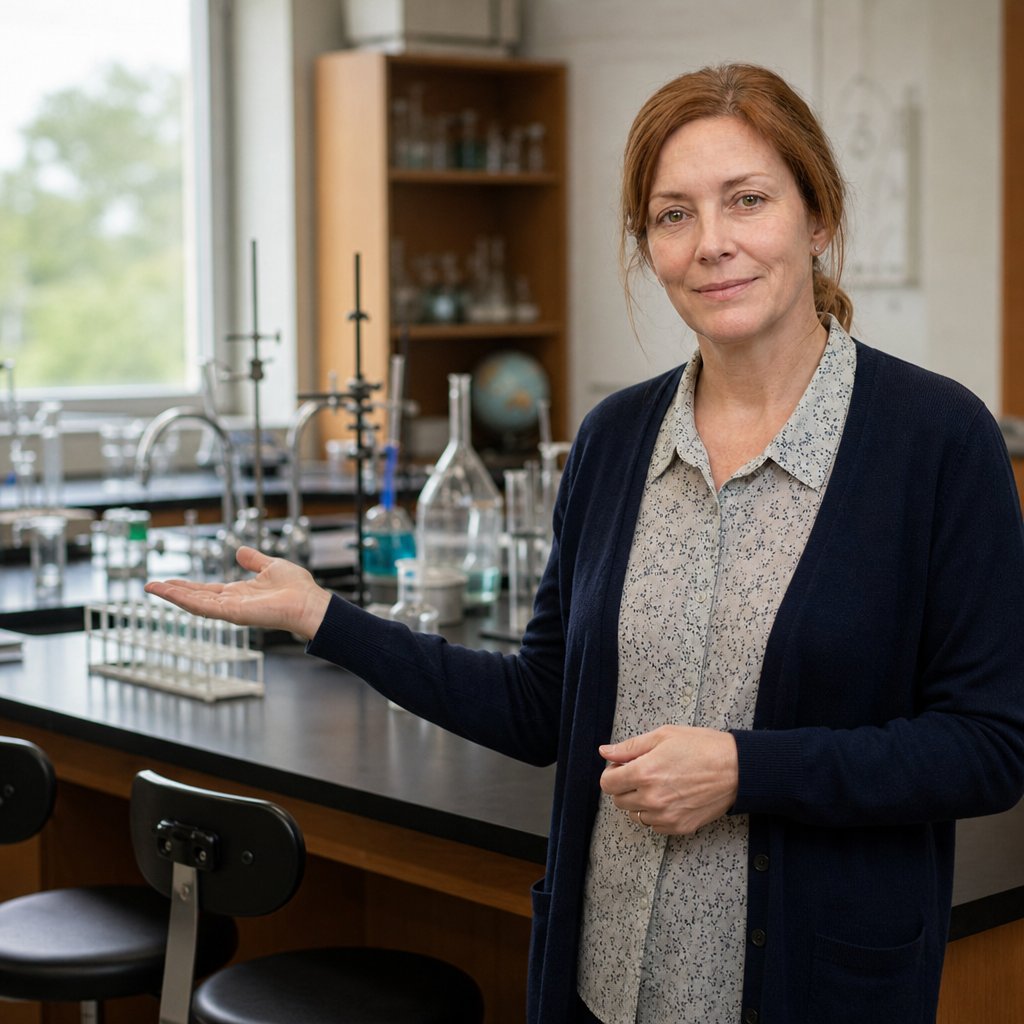
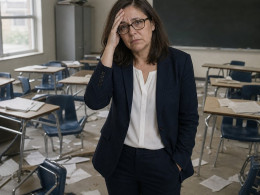
To understand the shock, you have to understand the trust. Marisa had been certified to teach back in 2004, and by the time of the demonstration she was a familiar, reassuring presence — the kind of teacher who volunteered to make lessons memorable instead of just getting through them. Offering to perform an experiment wasn't part of the required curriculum. It was a gift, a flourish, something extra she did because she wanted her students to feel a spark of wonder. That morning the classroom had the easy hum of a group that liked their teacher. A few students drifted, half-watching a movie playing in the background. Others leaned in, curious about the beakers on the bench. There was no sense of danger in the room, no reason to brace for anything. Which is exactly what made the next sixty seconds so impossible for anyone to forget.
The Front Row Wasn't Ready
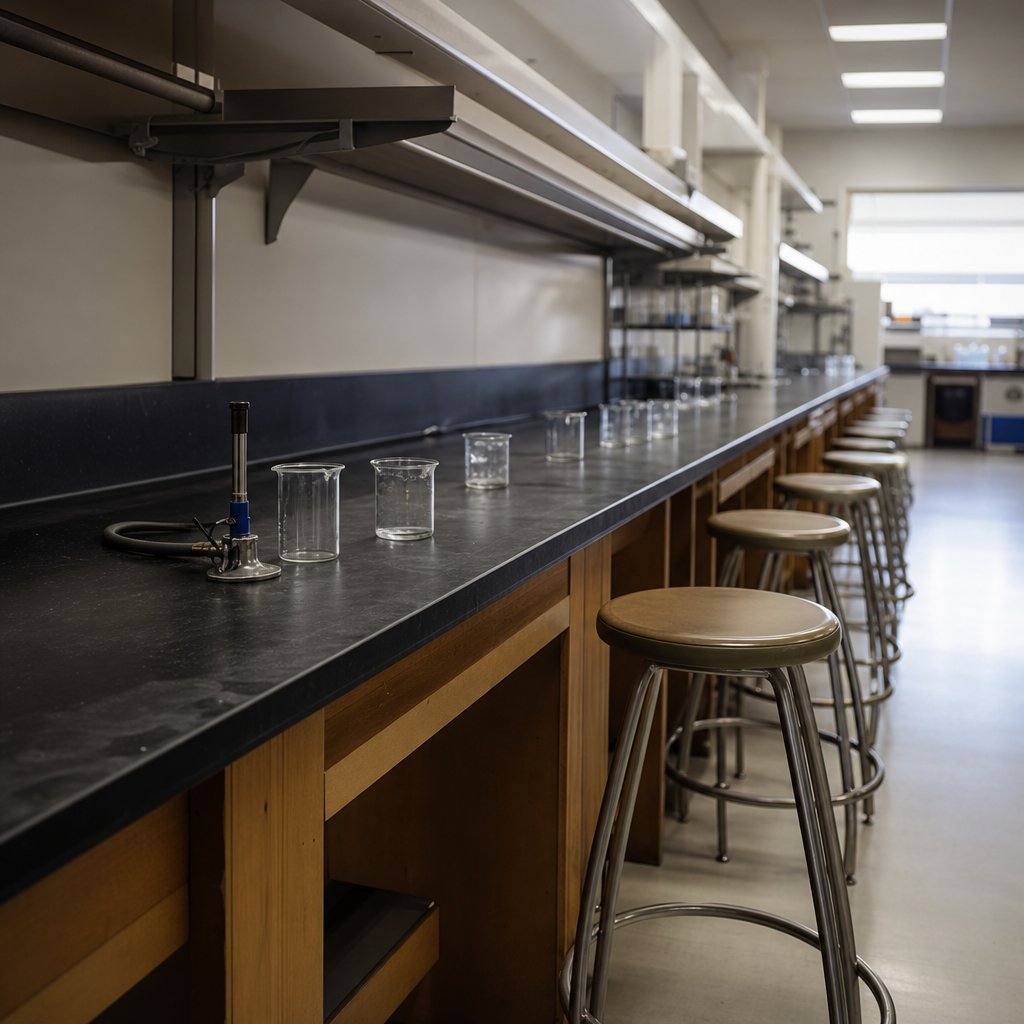
Here is the detail that would haunt the whole case: not one of those students was protected. No safety goggles sat on their faces. No gloves covered their hands. No protective clothing, no shields, nothing between them and the bench. They were teenagers in everyday clothes, sitting on stools an arm's length from an open flame and a row of chemicals. And several of them weren't even watching — they were half-tuned to a movie, relaxed, unaware. A chemistry demonstration is, by its nature, a controlled risk. The entire point of goggles and gloves is that something can go wrong in an instant, with no warning at all. That morning the safeguards simply weren't there. The room had the props of science but none of its precautions. So when the flame leapt off that bench, the four students closest to it had absolutely nothing to shield them — and they never saw it coming.
One Chemical, One Flame
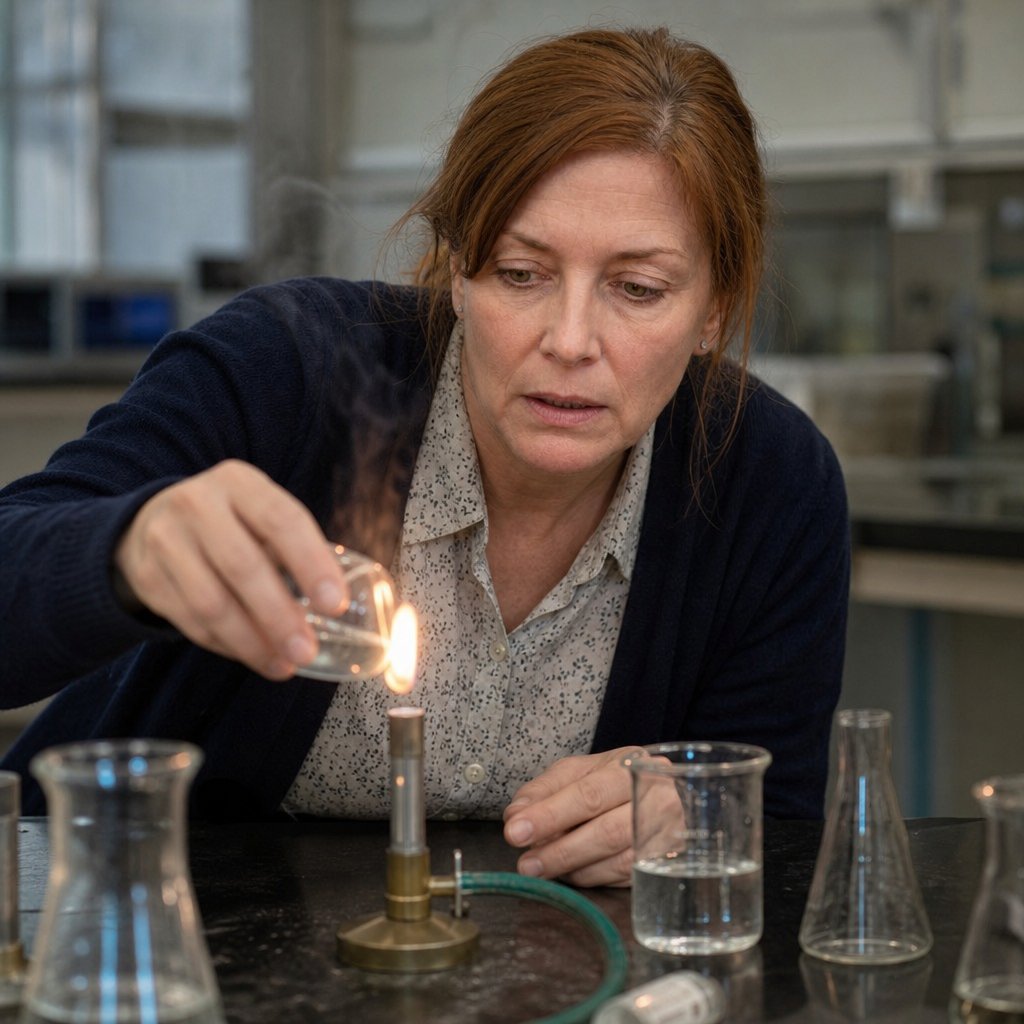
The demonstration began the way countless classroom experiments do — small, deliberate, ordinary. Marisa had a burning flame already going on the bench, a steady little fire that drew the curious eyes in the room. Then she added a chemical to it. In her mind it was a single controlled step, the moment the magic was supposed to happen, the part where color or light or heat would bloom and the students would say whoa. For a heartbeat, maybe it even looked like it was working. But the reaction she triggered was not the gentle one she'd pictured. The chemical met the flame and the energy had nowhere to go but out — fast, violent, upward. There was no malice in her hands, no recklessness she intended. She was a teacher trying to delight her class. And yet the laws of chemistry don't care about good intentions, and what came next obeyed only physics.
Flash Fire
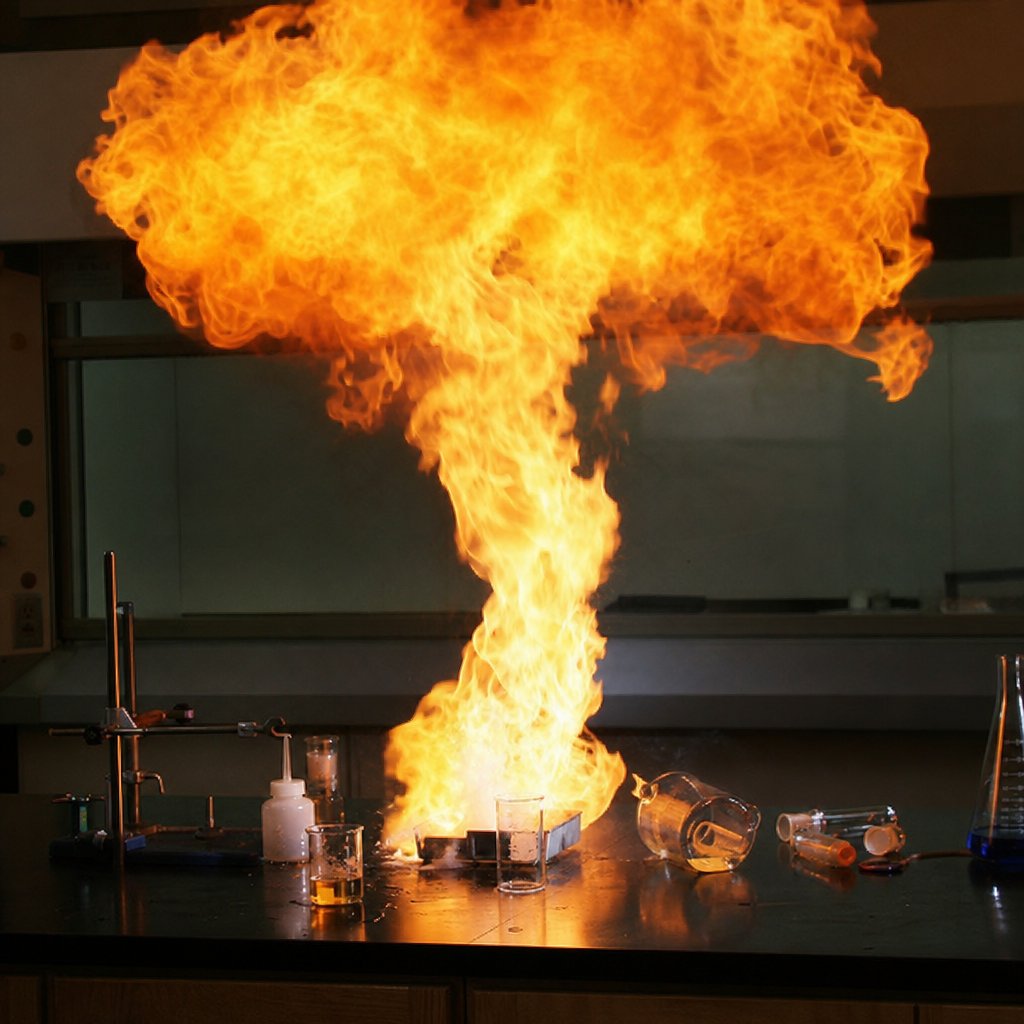
It was instant. The moment the chemical hit the flame, the fire flashed — a sudden, expanding burst of heat and light that filled the space above the bench in the blink of an eye. This was no slow-building blaze with time to react. A flash fire is exactly what its name promises: there and devastating before the brain can even register danger. The students who had been half-watching a movie snapped to attention to a wall of orange where their teacher's careful little demonstration had just been. The air itself seemed to ignite. For Marisa, the warm, composed expression of seconds earlier was gone, replaced by raw alarm as the fire surged in a direction she could not control. And the worst part hadn't even happened yet — because in that panicked instant, the flaming container was still in her hands.
The Container Hit The Floor
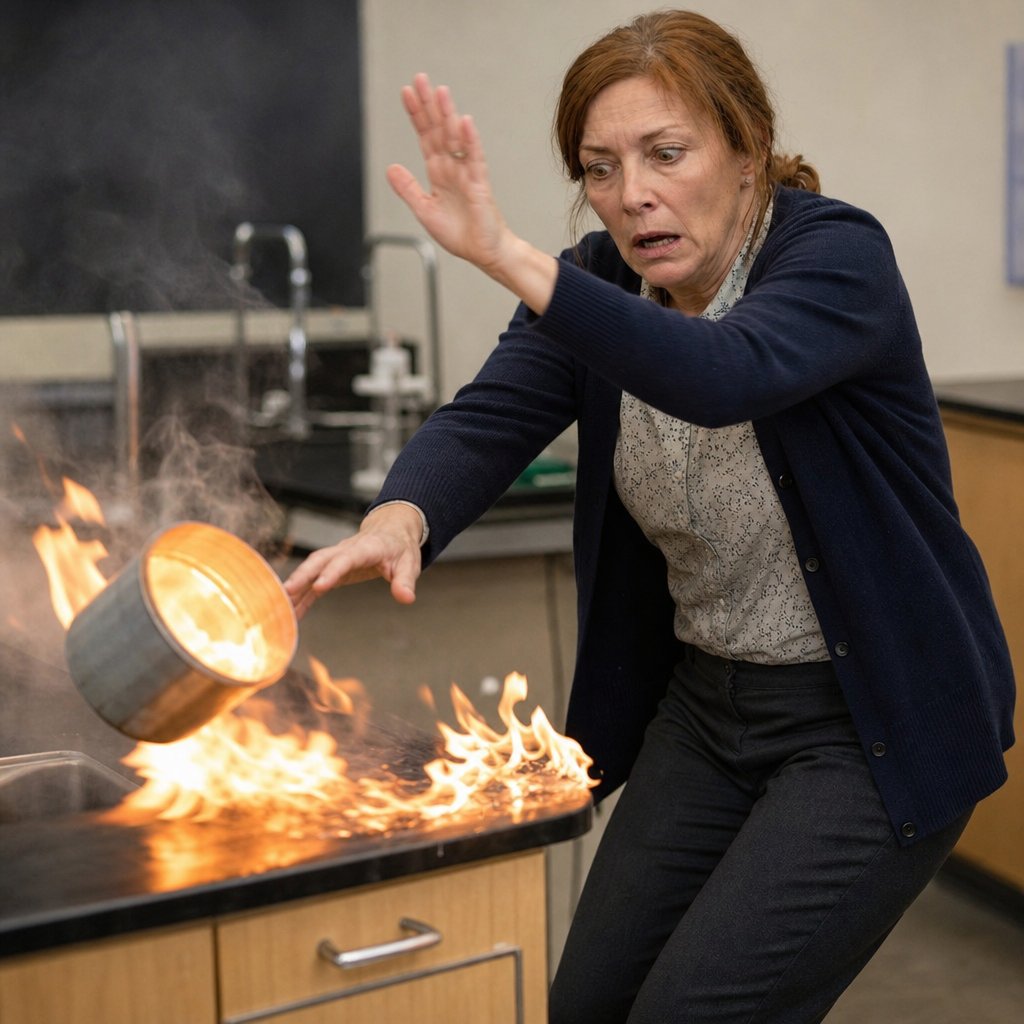
Faced with a fire she hadn't expected, Marisa did what almost anyone would do with flames suddenly in their grasp — she let go. The burning container dropped, or was thrown clear, and that single reflex turned a contained accident into a spreading one. The fire didn't stay on the bench. It traveled. Flames licked outward and downward, moving across the surface and into the open space of the classroom — directly toward the four students seated in the front row. The very kids with no goggles, no gloves, no protection of any kind were now the closest people to a fire on the move. What had been a demonstration was now an emergency unfolding in real time, in a room full of teenagers, with the flames advancing on the ones least equipped to get out of the way. And there was no script for what a teacher does in the seconds after that.
She Rushed To Help
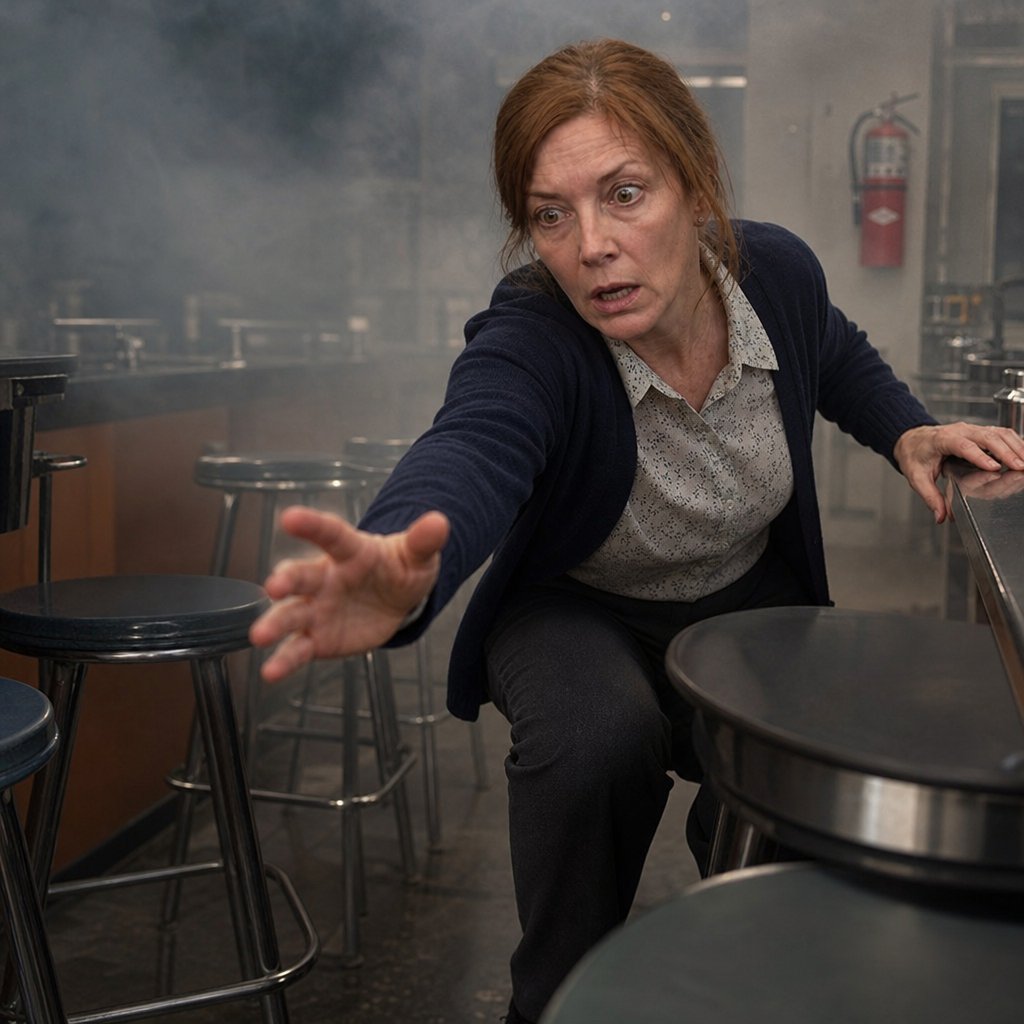
Whatever else can be said about that day, this part is true and it matters: the moment the fire spread toward her students, Marisa did not freeze and she did not flee. She turned immediately to them. She attended to their needs, moving to help the very kids her demonstration had endangered, the instinct of a teacher overriding the chaos around her. There was no hesitation about whether to act — only the awful work of responding to something that should never have happened. It's the detail that complicates any easy judgment of her. This was not a person indifferent to her students' safety in the aftermath. She cared, visibly and urgently, once the flames were loose. But care after the fact cannot undo a fire, and the question that would soon hang over everything wasn't about how she responded to the danger. It was about why the danger had been allowed to exist at all.
Charges And A Guilty Plea
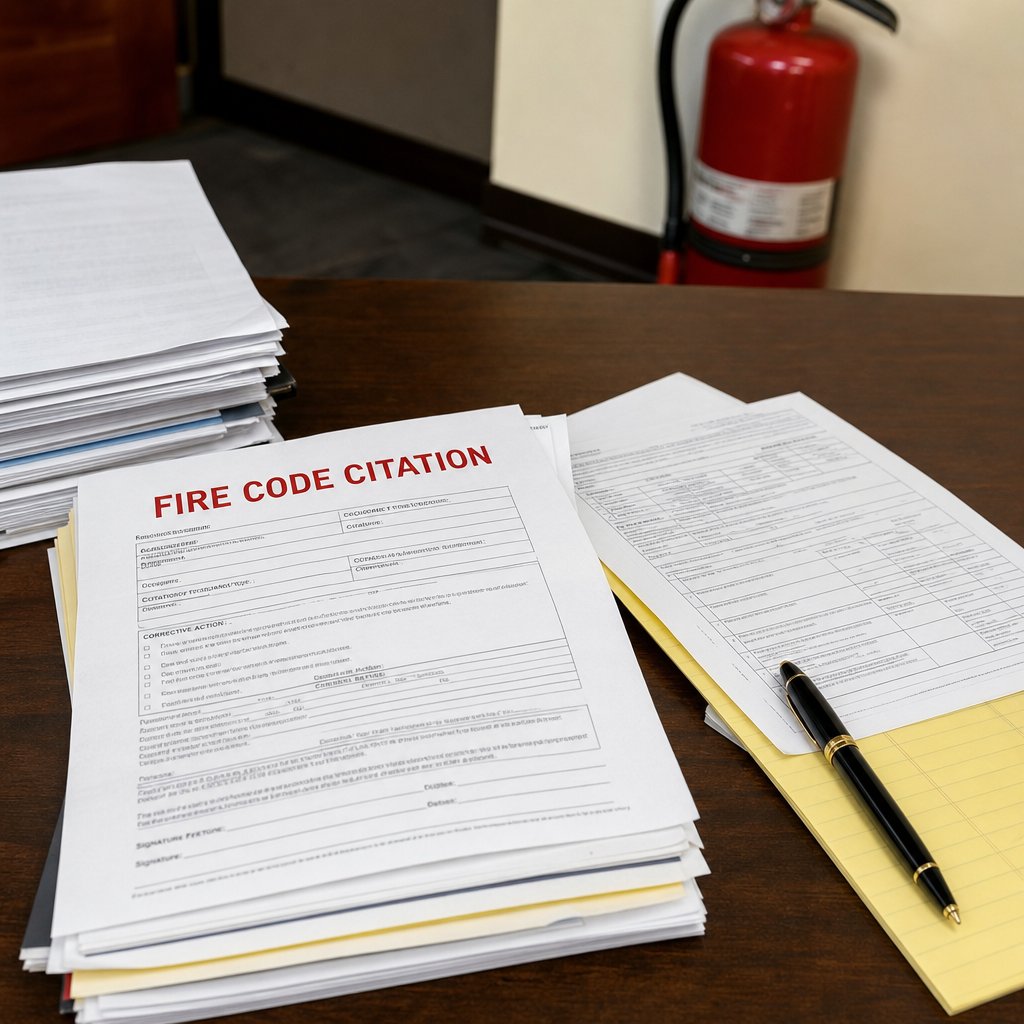
An incident like this does not stay inside a classroom. Investigators came. The fire that began as a teacher's flourish was now a matter for the authorities, examined from every angle. Both Marisa and the school board were charged under the fire code — formal accusations that the basic rules meant to prevent exactly this kind of harm had not been followed. Neither fought it. Both pleaded guilty and paid fines, an admission on paper that something fundamental had gone wrong that day. But there was a second, heavier question hanging in the air, the one every parent in that room would have been asking: was this a crime? Police launched their own investigation, digging into what happened and why. The answer they reached would shape how the entire story was understood — whether Marisa was a criminal, or something harder to name. And their conclusion surprised some people.
No Crime, But Not Cleared
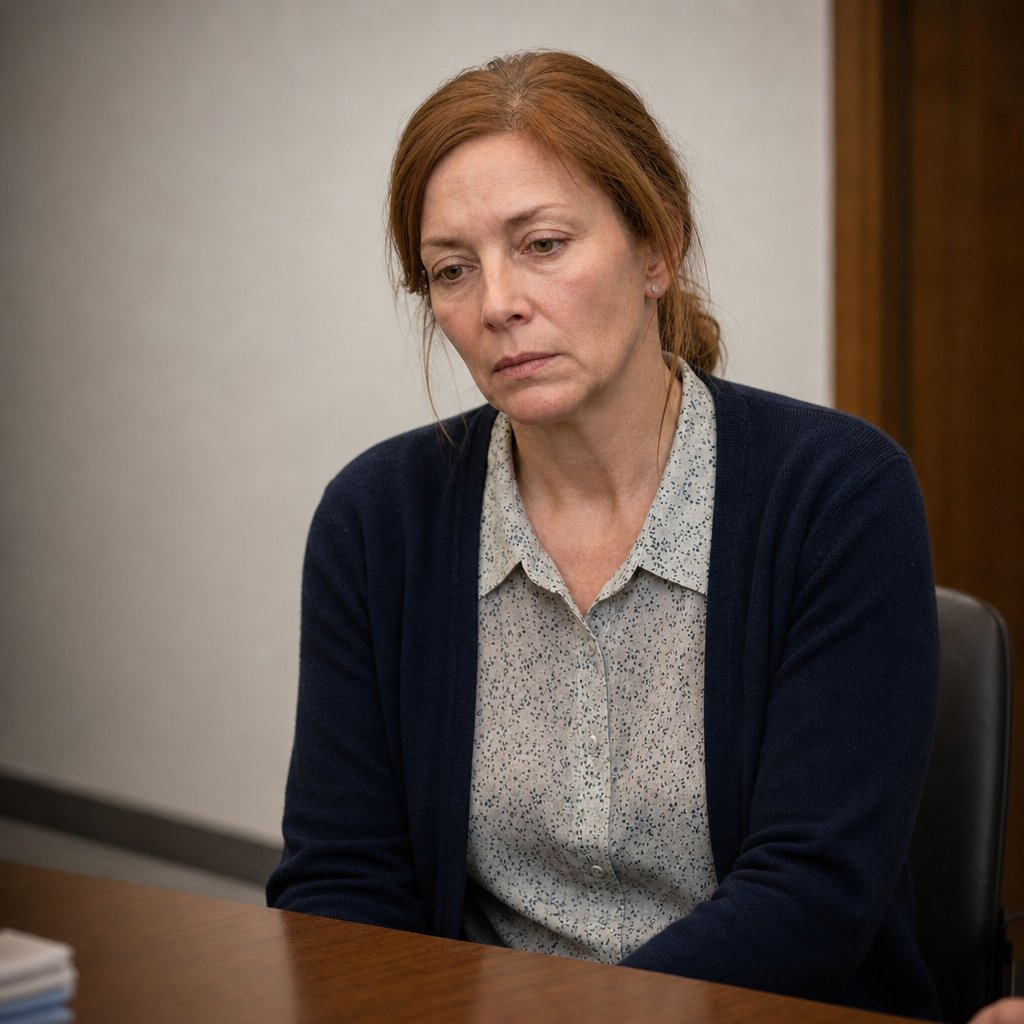
The police investigation reached a clear conclusion: no crime had been committed. No criminal charges were laid. What happened was an accident, not an act of malice, and the law that punishes intent had nothing to grab onto. For Marisa, it must have felt like a measure of relief — confirmation that she was not, in any criminal sense, a danger. But being cleared by the police was not the end of it. A teachers' disciplinary board doesn't ask only whether a teacher broke the law. It asks whether she upheld the duty she owed her students — the duty to keep them safe. And on that question, the absence of crime was beside the point. Four teenagers had been seated unprotected in front of an open flame. The board would now weigh not what Marisa intended, but what she failed to do. And its judgment carried a different kind of weight.
A Reprimand And A Lesson

The board found Marisa guilty of professional misconduct. Its language was measured but unmistakable: she could have taken the necessary steps to ensure the safety of her students, and she had failed to ensure that the students were reasonably protected from possible risks. No goggles. No gloves. No protective clothing. A flame, a volatile chemical, and four kids with nothing between them and the fire. For that, the board issued a reprimand and ordered her to complete a course in classroom management focused on supervision and safety — a formal mark on her record, and a requirement to learn the precautions that had been missing the day it mattered most. No suspension. No revoked career. To some, that felt like accountability for an honest mistake by a teacher who genuinely cared. To others, it felt light for four children nearly burned in their own classroom. Was a reprimand and a safety course enough — or did those four kids in the front row deserve more?
A dramatized retelling based on real teacher-discipline records. Names, locations, and identifying details have been changed. Any resemblance to actual persons is coincidental.