



The Boy Who Felt Sick
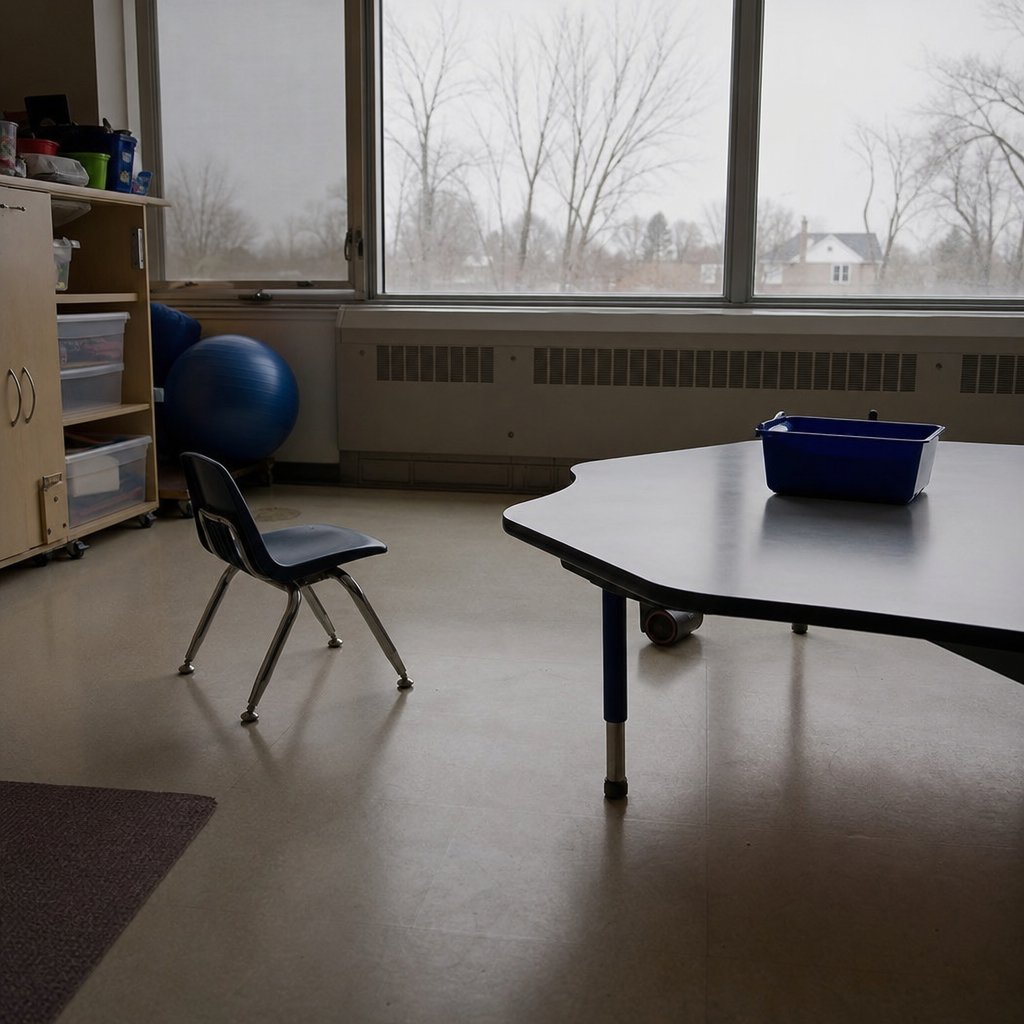
He was just a boy, small for his age, sitting in a classroom built for children who needed more care than most. His cheeks had flushed hot. His head throbbed. Somewhere inside him a fever was climbing — about 99.8 degrees, enough to make a child shiver and ask, in a thin voice, to please go see the nurse. In any ordinary classroom, that request takes seconds to answer. A hand on the forehead, a quiet word, a walk down the hall to a cool room and a kind adult. But this was not an ordinary classroom, and the man at the front of it was not an ordinary teacher. The boy looked up at him and asked for help. And in a Manitoba school where vulnerable children were supposed to be safest, the answer he received would later horrify an entire disciplinary board. What did the teacher say?
Thirty Years At The Front
Gerald Boucher had been at the front of a classroom for longer than most of his students had been alive. He earned the right to teach back in 1979, when the children he would one day tower over were not yet born, nor were their parents grown. For decades he carried the title of veteran — the steady hand, the experienced one, the man you trusted with the kids who needed the most patience. He worked with extremely vulnerable students, the sort who depend utterly on the adult in the room to be calm, gentle, and safe. Colleagues assumed all that experience had made him wise. Parents assumed it had made him kind. But somewhere across those long years, something in Gerald Boucher had curdled into something colder, harder, and crueler. And the people closest to him were beginning to notice the warning signs they were too frightened to name aloud. What had they seen?
Behind A Closed Door
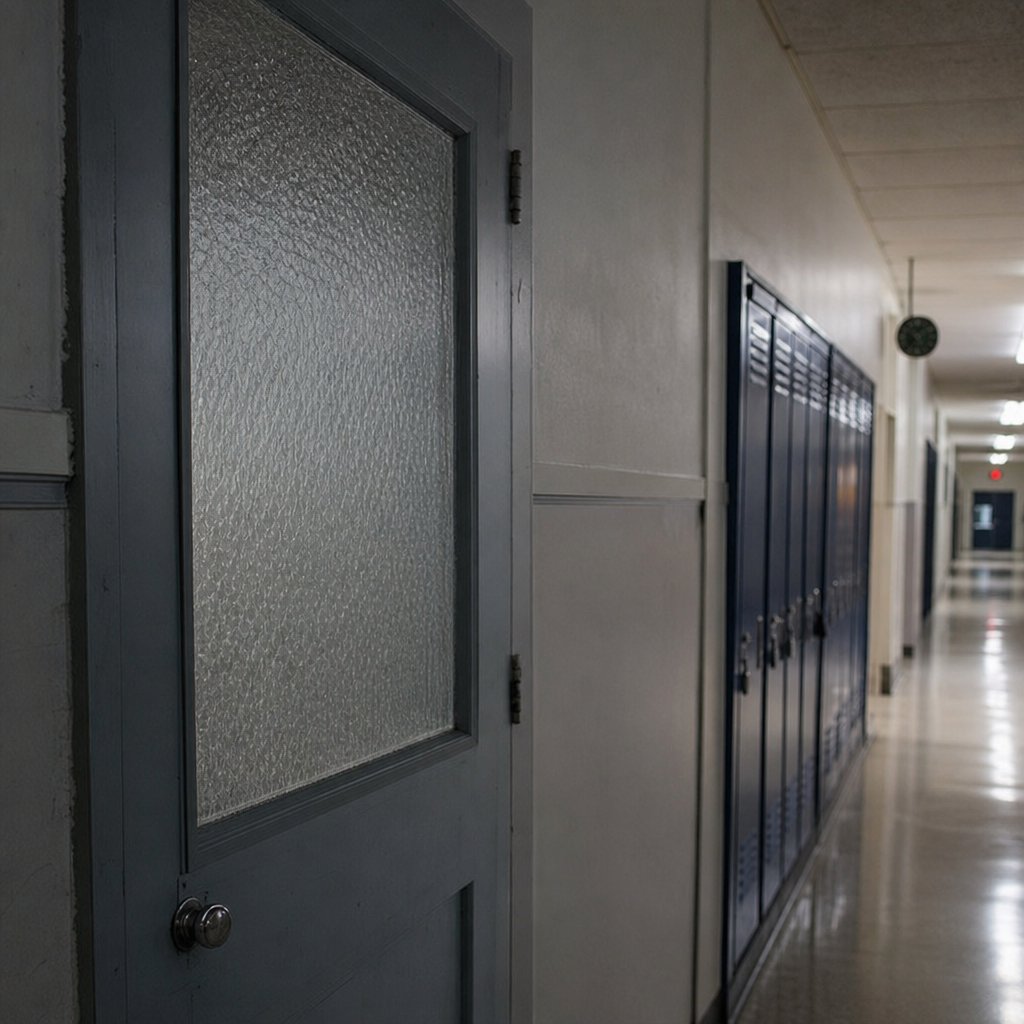
From outside, the classroom looked like any other in the Manitoba school board — a door, a window, the usual posters curling at the corners. But the adults who worked alongside Gerald Boucher had started to dread crossing that threshold. There was a tension in the air around him, a sharpness, a sense that the wrong word could trigger something ugly. Educational assistants spoke in low voices in the staffroom. One in particular felt a knot of anxiety tighten in her stomach every time she was scheduled to work beside him. She watched how he spoke to the children. She watched how he spoke to her. And she began to understand that the closed classroom door was hiding things that no closed door ever should. The fever, the boy, the refusal — all of that was still to come. But the conditions that made it possible were already firmly in place. What was happening behind that door?
"Focus," He Roared

The cruelty, when it came, was physical. Witnesses would later describe how Gerald Boucher reached out and seized a child by the back of the head, gripping him and shouting the word "focus" into the small space between them. To the extremely vulnerable students in his care — children who already struggled to make sense of a loud and confusing world — there was nothing instructive about it. It was force. It was fear. On another occasion he is said to have taken a student by the face, holding the boy in his grip while he screamed instructions at him, inches away, his voice filling the room. These were not isolated flashes of frustration on a single bad day. They were part of a pattern that staff watched unfold, helplessly, week after week. Each incident chipped away at whatever sense of safety those children had left. And the most chilling moments were still ahead. How much further would it go?
Pulled By The Ponytail

If grabbing a child by the head and the face was not enough, there was more. On two separate occasions, witnesses said, Gerald Boucher took hold of a student by the ponytail and pulled. Picture it: a vulnerable child, trusting the adult in the room, suddenly yanked by the hair in front of classmates and staff. The humiliation alone would have stung as much as the pain. And these were not strangers acting in shadows — they were the documented actions of a man with decades of training, a man who knew exactly how a teacher is supposed to treat a child, choosing again and again to do the opposite. The educational assistants saw it. They felt the air go cold. Yet the abuse kept happening, repeatedly, over the course of several months, as though nothing and no one could stop him. By now the staffroom whispers were turning into something more urgent. But would anyone be brave enough to act?
A Poisonous Place To Work
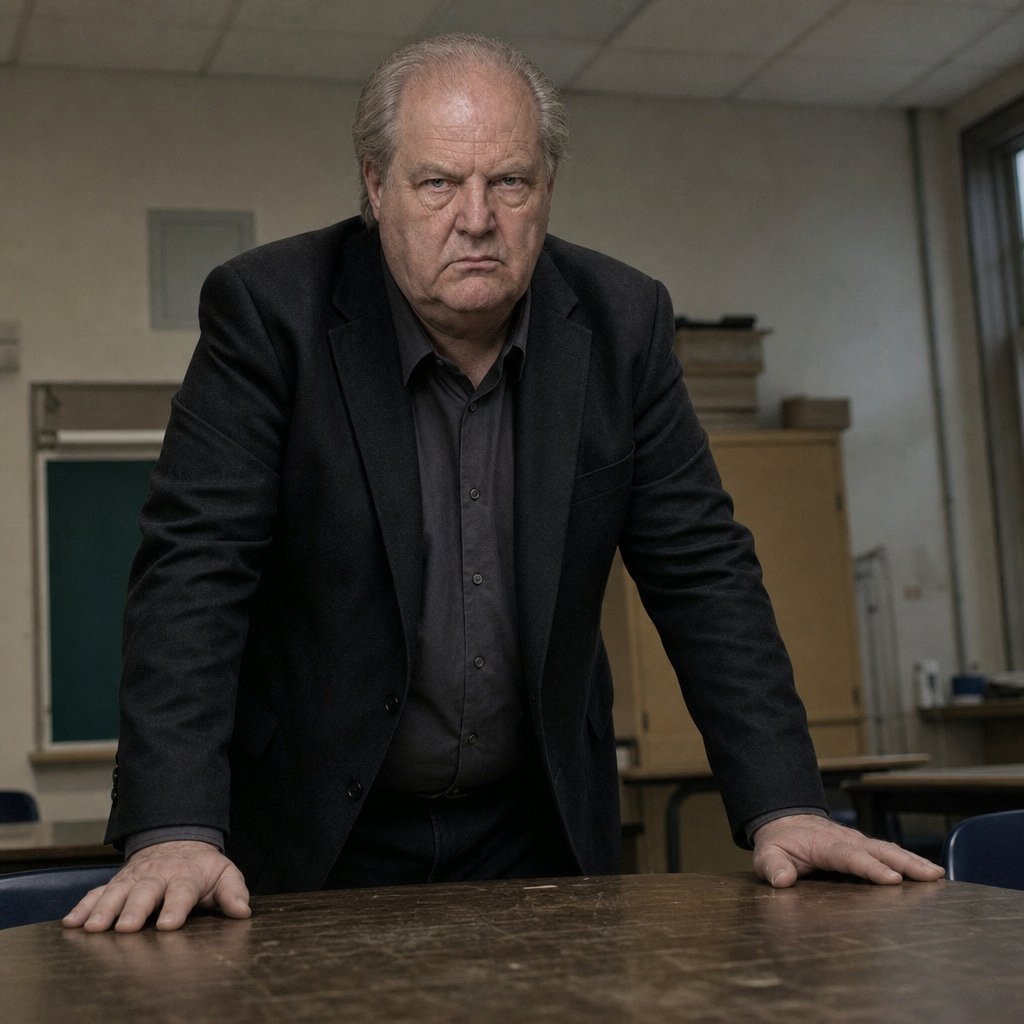
The children were not his only targets. Gerald Boucher turned his contempt on the very adults meant to support him, bullying and humiliating his colleagues until the workplace itself felt toxic. Educational assistants — the people who stood beside him all day, who helped the vulnerable students he was hurting — became objects of his scorn. At least one of them grew so afraid of him that the simple act of being scheduled to work with him filled her with dread and anxiety. Imagine going to work each morning frightened of the person at the front of the room, watching children be mistreated, and feeling powerless to change it. That fear was no accident; it was the climate he created and ruled over. And it explains the terrible silence that allowed the worst of it to continue. Because when the feverish boy finally asked to see the nurse, the people who might have intervened had already learned how dangerous it was to cross him. So what happened to that sick child?
Wait For The Nurse
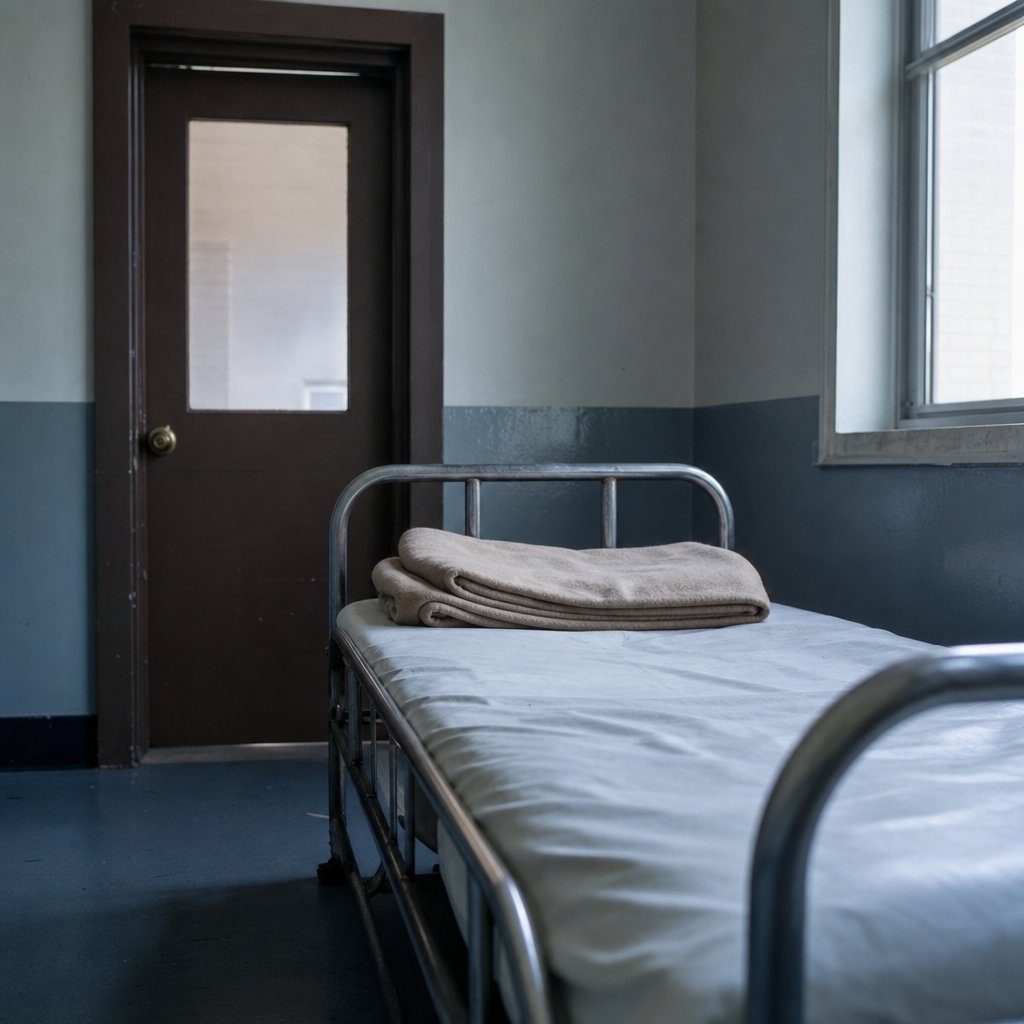
Then came the moment that would define the case. A student fell ill in Gerald Boucher's classroom, running a fever of roughly 99.8 degrees — a sick child who needed care, comfort, and a cool room. The path to help was simple and short. Instead, Boucher refused to let the boy go. He insisted, immovably, that the school nurse herself must come to the classroom in person before any medical attention would be allowed. Not a walk down the hall. Not another adult stepping in. The boy would wait, feverish and miserable, until the one specific person Boucher demanded arrived. For a child this vulnerable, every minute of denied care was its own small cruelty, an exercise of control dressed up as procedure. The staff who witnessed it were stunned. This was not discipline. This was a grown man blocking medical help for a sick child to prove who was in charge. And finally, that was the line too far. Who would speak up?
The Complaints That Piled Up
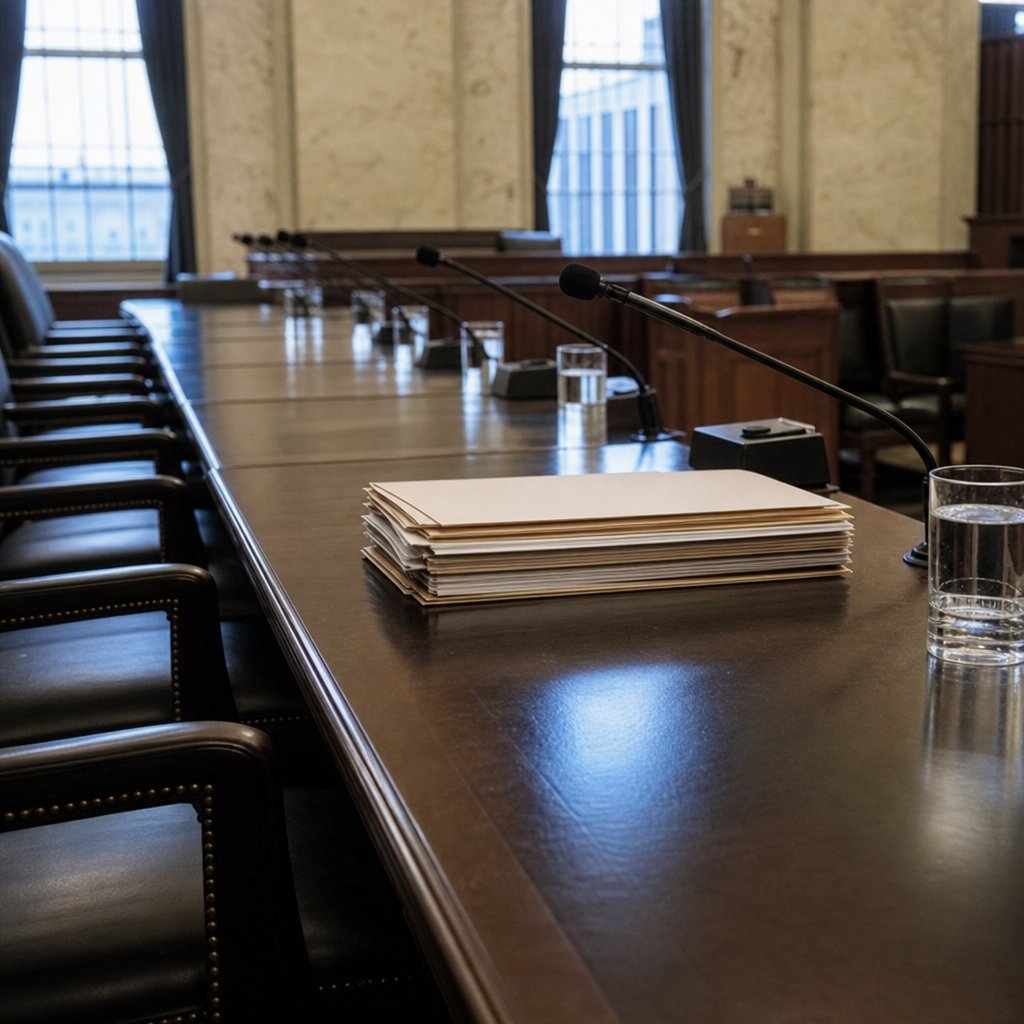
The complaints had not started with the fever. For months, as the grabbing and the screaming and the ponytail-pulling went on, staff had raised the alarm — repeatedly. They reported what they saw. They named what they feared. And still the abuse continued, in the face of every warning, as though the man at the front of that classroom believed himself untouchable. But each complaint left a mark on the record, a paper trail of cruelty that grew harder and harder to ignore. Eventually the matter passed beyond the school's walls and landed before a teachers' disciplinary board — the body with the power to decide whether Gerald Boucher should ever stand in front of children again. They would weigh the testimony of frightened assistants, the documented incidents, the sick child made to wait. Decades of a career hung in the balance against months of documented harm. What would the board conclude?
The Board Calls It Egregious

The board did not mince words. After weighing the evidence, it found Gerald Boucher guilty of professional misconduct and reached for the most serious penalty it could impose: it revoked his teaching certificate, ending the career that had begun all the way back in 1979. The board called his conduct "egregious," a word chosen deliberately for behavior far beyond the pale. It noted that his actions had "negatively impacted students and staff, and occurred repeatedly over the course of several months" — not a single lapse, but a sustained campaign of cruelty against the most vulnerable children and the colleagues who feared him. The man who once loomed over small desks now sat diminished, stripped of the title he had held for more than forty years. No appeal, no excuse, could undo what the witnesses had described. Yet for the staff who had watched it unfold, and for the feverish boy made to wait, one question still lingered. Why had it taken so long?
How Did It Last So Long?
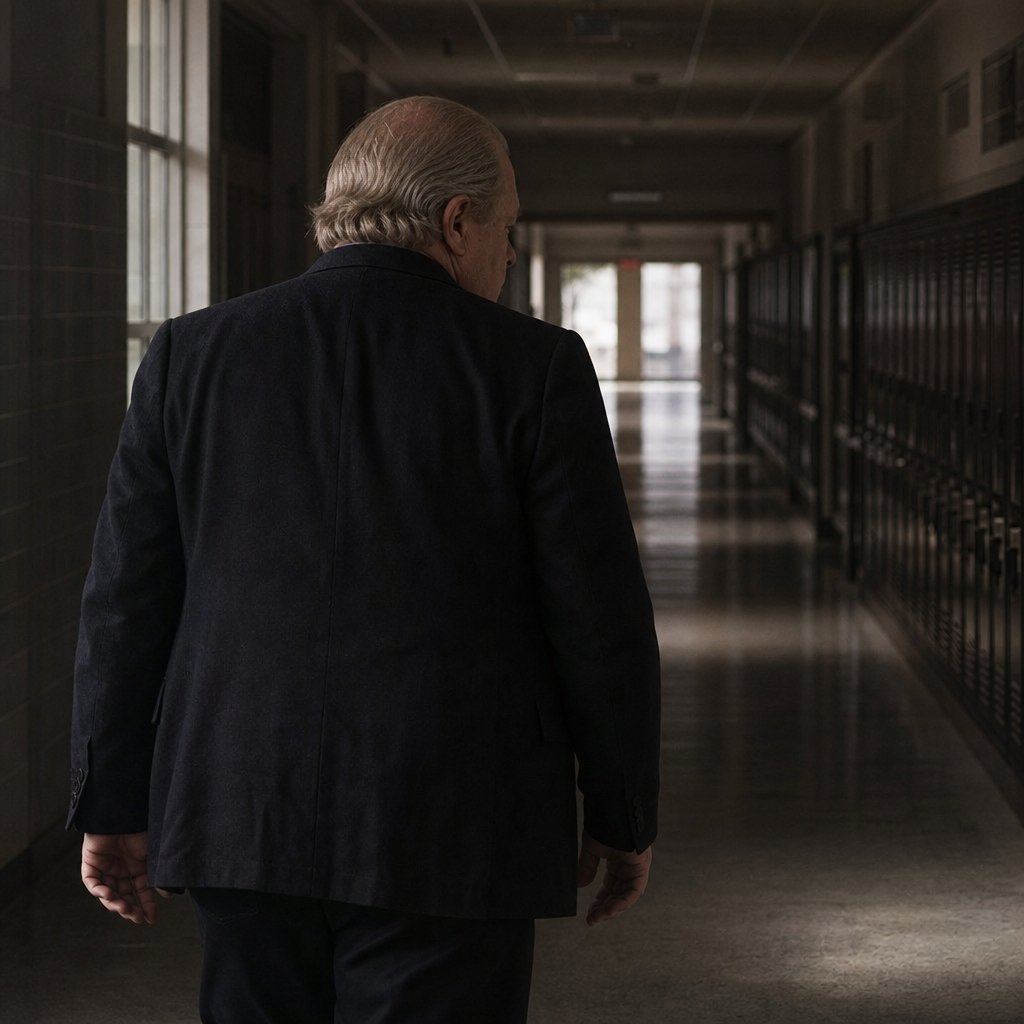
In the end, the system worked — but only after months of documented abuse, repeated complaints, and a sick child left to wait for help that should have come at once. Gerald Boucher's certificate was gone, his decades-long career over, his cruelty finally named for what it was. But the questions he leaves behind are heavier than any verdict. How does a veteran teacher, trusted for forty years, end up grabbing vulnerable children by the head and the hair and screaming in their faces? How does a workplace grow so poisoned that frightened staff feel powerless to stop it sooner? And how does a grown man look at a feverish child begging for the nurse and decide the answer is no? The board called it egregious. The witnesses called it terrifying. The boy simply called it the day his teacher refused to help him. If you'd watched it happen and feared for your job, would you have found the courage to speak up sooner?
A dramatized retelling based on real teacher-discipline records. Names, locations, and identifying details have been changed. Any resemblance to actual persons is coincidental.