




The Man With the School's Credit Card

Every school runs on a little bit of trust that no one thinks about — the trust that the person holding the budget won't help themselves to it. Marcus Webb, a vice-principal at a school board in Georgia, was one of those people. He had access to the board's procurement credit card, the one meant for school expenses. Over the course of one year, he reached for it seven times. Not for the school. For himself. And when the spending finally surfaced, a man who'd climbed to administration found his career unravelling over a credit card.
A Vice-Principal People Trusted

Webb wasn't a new hire fumbling the rules. Certified since the mid-1990s, he'd risen to vice-principal — a role that exists precisely because the people in it are trusted with more: more authority over staff, more responsibility for students, and more access to the things a regular teacher never touches. The board's money was one of those things. Administrators sign off on budgets and carry the cards that buy what a school needs. The whole system assumes the person holding the card understands the difference between the school's money and their own. Webb blurred it.
The Card Was for the School

A procurement card isn't a perk. It's a tool with one purpose: buying approved goods and services for the school, on the board's account, with every charge expected to be a legitimate school expense. There are policies, approvals, and records around it for a reason — public money is supposed to be traceable and accountable. Webb knew all of that. As an administrator, enforcing those very rules was part of his job. Which makes what he did next not a misunderstanding, but a choice: to treat a card funded by the public as if it were his own wallet.
Seven Swipes That Weren't

Over the course of 2012, Webb used the board's procurement credit card for personal use on seven separate occasions. Seven. Not a single ambiguous charge that could be written off as a mix-up, but a pattern — seven moments where he could have reached for his own card and instead reached for the school's. Each one was a small betrayal of the trust that came with his title, and together they formed something a disciplinary body couldn't shrug off: an administrator quietly converting public funds to private use, one transaction at a time, apparently confident no one was watching the statement.
Then the Numbers Didn't Add Up

The thing about spending public money on yourself is that it leaves a trail. Eventually the charges drew scrutiny, and the board did what boards do when an administrator's card history raises questions: it launched an investigation. Webb was suspended — with pay — while it dug in. That's the moment the walls start closing on this kind of case. Credit-card records don't forget, and personal purchases on a school account don't explain themselves. There was a paper trail of seven transactions, and it all led back to the same person.
He Paid It Back and Walked

Faced with the investigation, Webb resigned from the board — but not before settling up. He handed over a certified cheque for $561.51 to compensate the board for the funds he'd used on himself. On its face, paying it back and quitting might look like accountability. It isn't, quite. Repaying stolen money after you're caught doesn't undo the theft; it just removes the loss. And resigning ends your employment, not your certificate. Webb could walk away from the job. He could not walk away from the fact that he'd misappropriated public funds — and a disciplinary board was about to say so.
He Didn't Show Up
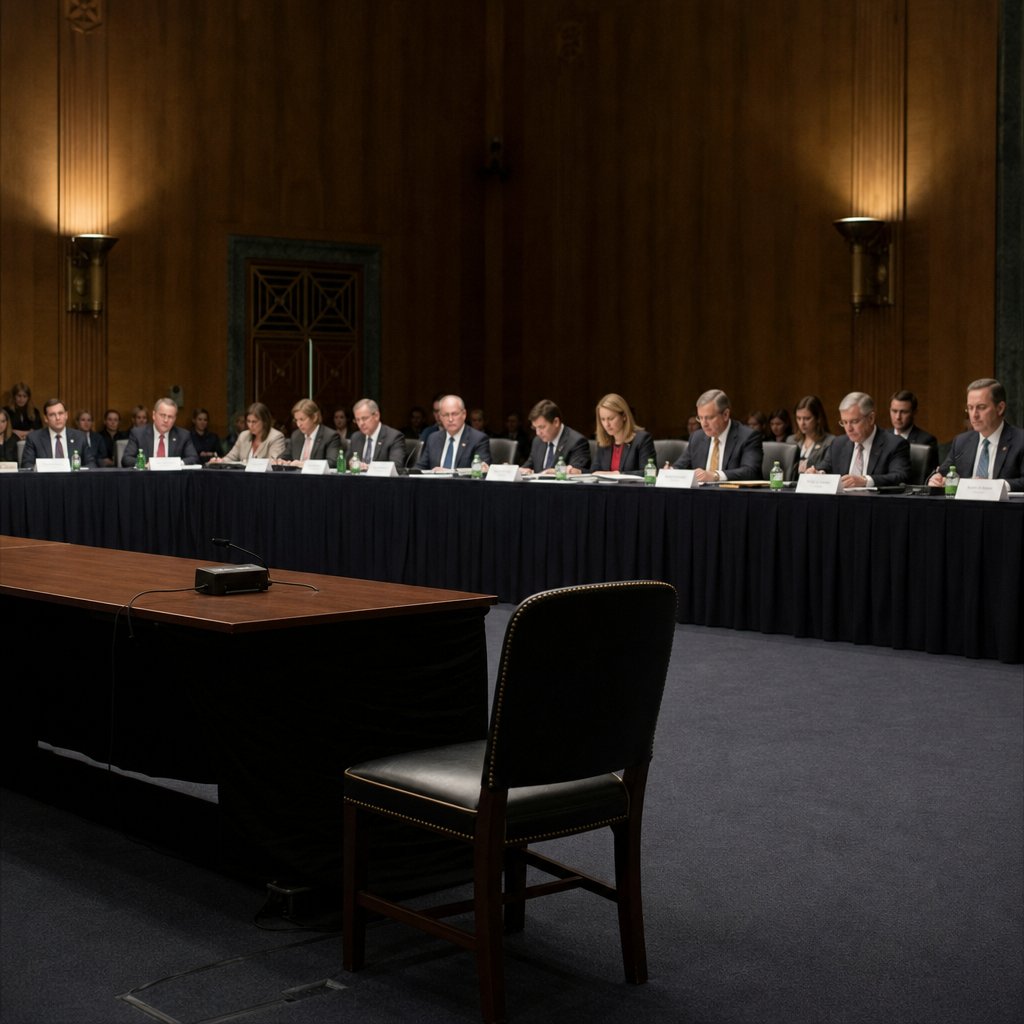
When the teachers' disciplinary board convened to rule on his conduct, Webb didn't attend — and neither did a lawyer on his behalf. He simply wasn't there. The panel proceeded without him, reviewing the record of an administrator who'd used the board's procurement card for personal purchases on seven occasions. There wasn't much to weigh. The panel found him guilty of professional misconduct, and in its decision named the heart of it: he had abused his powers as an administrator by accessing the board's procurement credit card for his personal use. The title that gave him the access was the title he'd betrayed.
Reprimanded — and Barred From the Money

The board ordered Webb to appear before it to receive a formal reprimand and to complete, at his own expense, a course on ethical behaviour — a remedial lesson in a subject an administrator is supposed to already have mastered. But the most pointed part of the penalty was a restriction: for two years following the course, he was barred from taking on any financial responsibilities in any job requiring a teaching certificate. In other words, the disciplinary board's verdict on whether Webb could be trusted with money again was a flat, time-stamped no.
$561.51

In the end, the dollar figure was almost the smallest part of the story. Five hundred and sixty-one dollars and fifty-one cents — repaid in full. Webb didn't lose his certificate over the amount; he lost his standing over the breach. An administrator entrusted with public funds had decided, seven separate times, that the line between the school's money and his own didn't apply to him. The cheque covered the loss. It couldn't cover the lesson the board ultimately had to spell out: trust, once spent, is the one thing a certified cheque can't buy back. Seven personal charges on the school's card — and a reprimand. Enough? Tell us below.
A dramatized retelling based on real teacher-discipline records. Names, locations, and identifying details have been changed. Any resemblance to actual persons is coincidental.