



The Class That Ran the Teacher
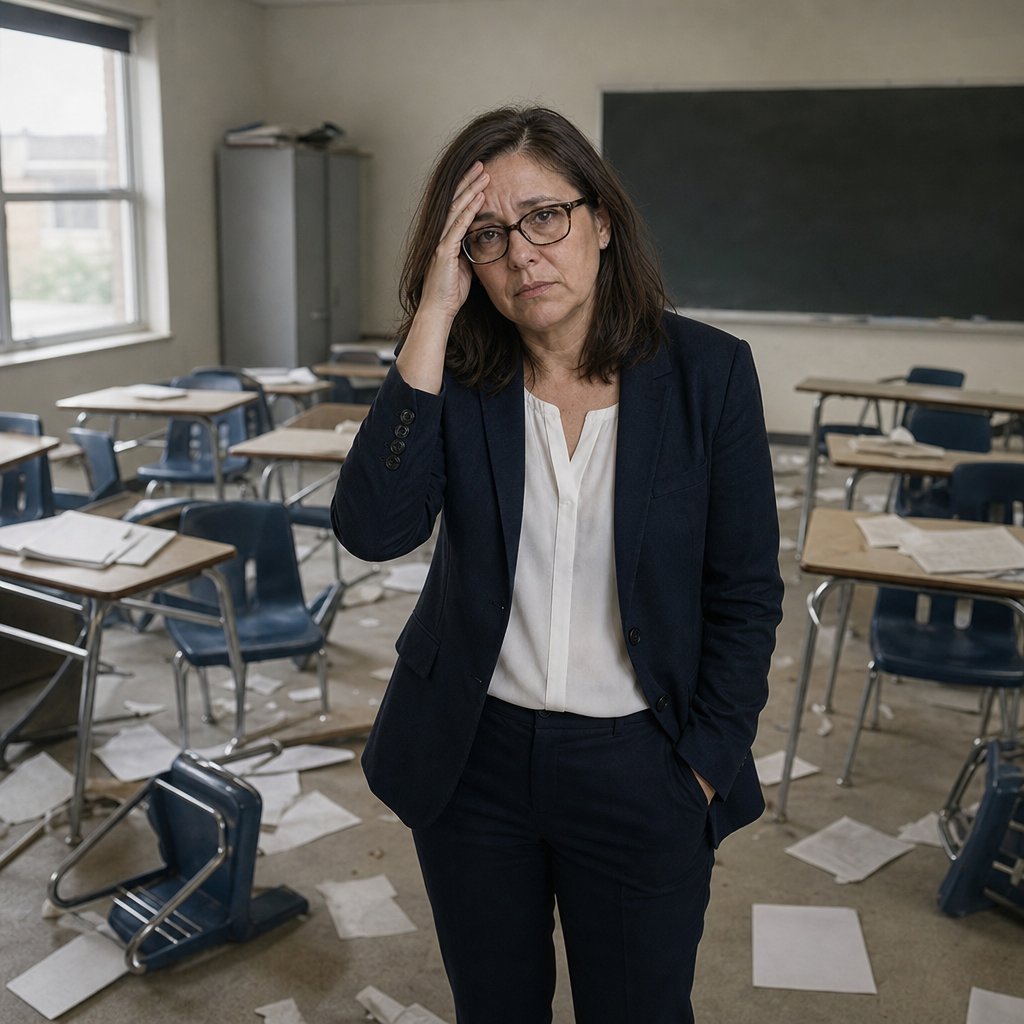
In most classrooms, the teacher is in charge. In Donna Pratt's, it was the other way around. Pratt taught for a school board in Pennsylvania, and by her own students' account her room had stopped being a place anyone was actually running. The problem wasn't a single bad day or one unruly kid — it was that the adult in the room had let go of the wheel entirely. And when a classroom has no one in control, it's only a matter of time before something happens that no one is there to stop.
Nearly 30 Years In

Pratt wasn't a rookie who'd been thrown in over her head. She'd been certified since the late 1980s — close to three decades in the profession. That's the unsettling part: this wasn't inexperience, it was a veteran who had simply stopped doing one of the core jobs a teacher has, which is keeping a room of kids orderly and safe. Long careers can hide a slow slide, and complaints about a teacher that senior tend to get waved off. Pratt's didn't get waved off for long, because her loss of control started putting students in real situations.
Chaos Was the Routine
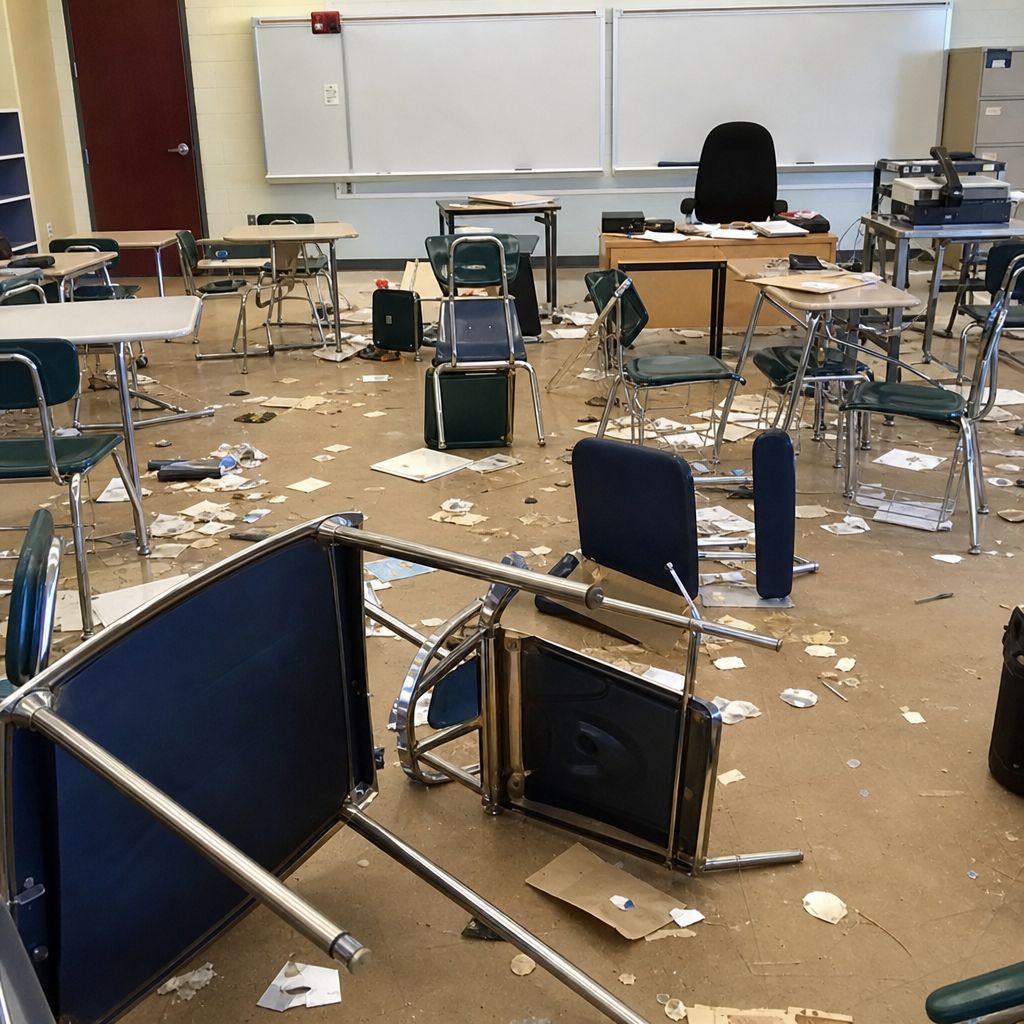
Investigators found that Pratt routinely allowed her students to disrupt the class — not as the occasional flare-up every teacher manages, but as the normal state of the room. Picture a classroom where the noise never settles, where instruction is impossible because no one is keeping order, where the loudest kids set the rules. That's a learning problem for every student in the seats. But a room with no adult control is also a safety problem, and that's where Pratt's negligence stopped being about grades and started being about danger.
She Let the Room Run Wild
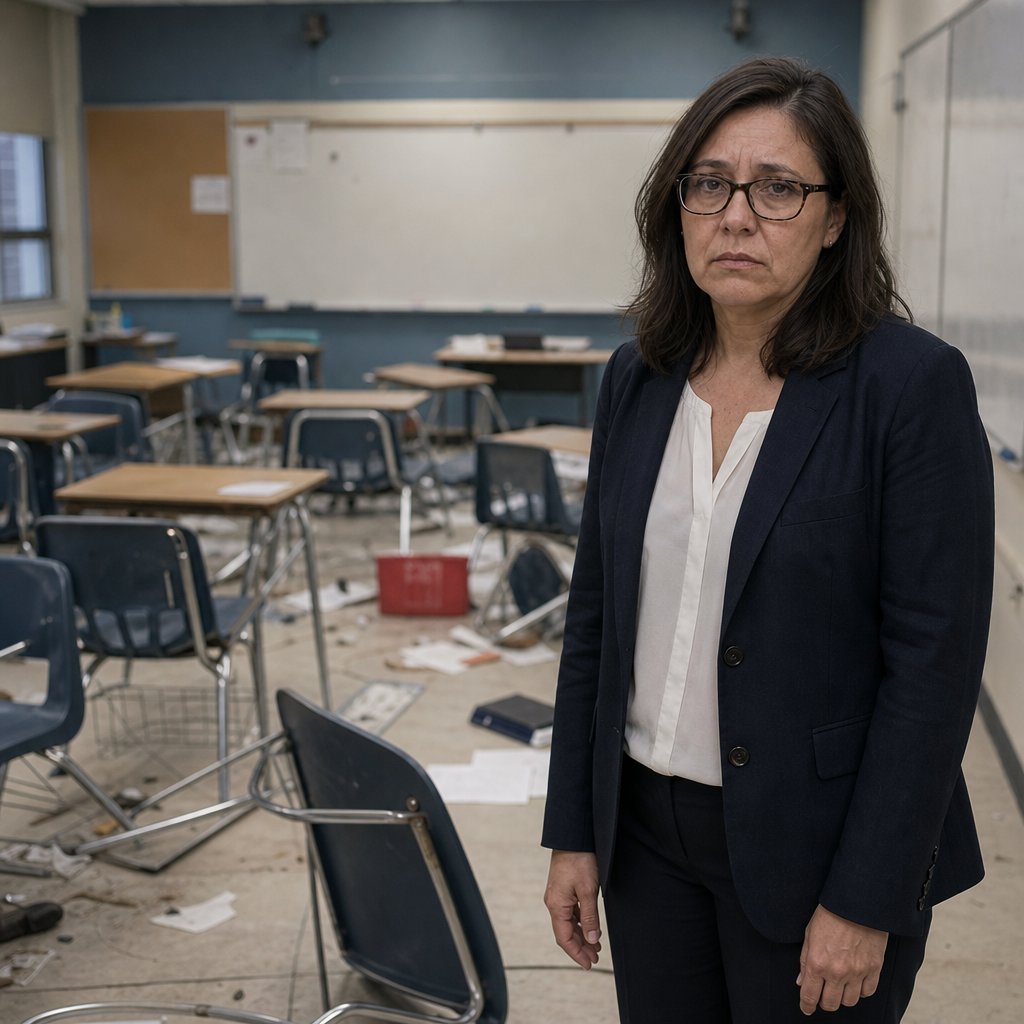
The pattern wasn't that Pratt tried to keep order and failed — it's that she let it happen. She permitted the disruption to continue, day after day, without stepping in. For the students who actually wanted to learn, that meant a year lost to chaos. For everyone, it meant a room where anything could happen and no adult was reliably watching. A teacher who won't control her class isn't just ineffective; she's removed the one safeguard standing between a group of kids and whatever goes wrong next. And eventually, something did.
Something Dangerous Happened. She Said Nothing.

This is the detail that turned negligence into something the board could not overlook. Student misconduct occurred that was potentially harmful — to the students, and to Pratt herself — and she failed to report it. Every school runs on the rule that when something dangerous happens, the adult tells someone: administration, the right authorities, the people who can act. Pratt didn't. A potentially harmful incident unfolded on her watch, and the one move that exists to protect everyone — say something — she skipped. Silence, in a classroom, is its own kind of risk.
Then She Took Them Out of the Building
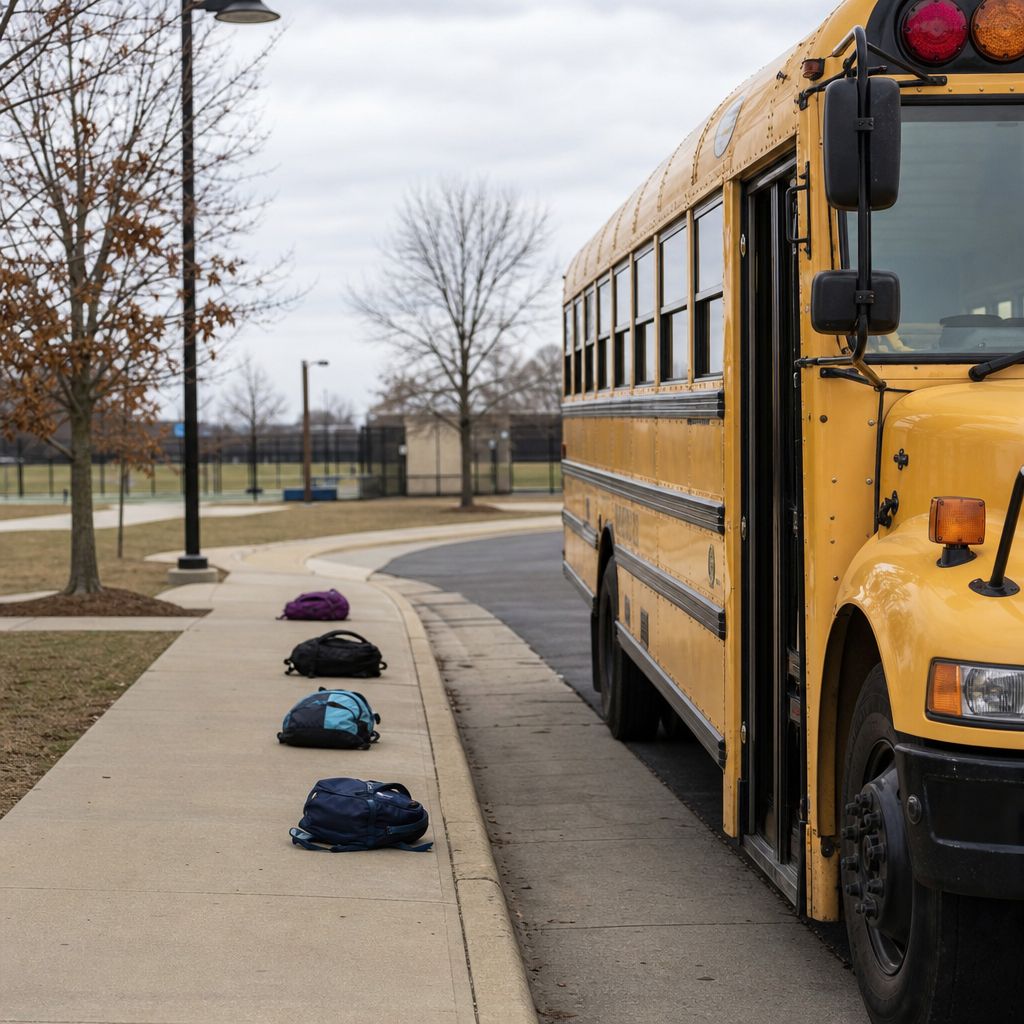
If a teacher can't control a class inside four walls, a field trip is the worst possible test — more space, more variables, more ways for kids to wander off or get hurt, and no classroom to contain it. Pratt failed that test too. On a field trip, she was unable to manage and control her students. Away from the building, the same loss of control that defined her classroom became a genuine hazard: a group of kids in a public setting, and a chaperone who couldn't keep them together. It's the scenario every permission slip is meant to guard against.
She Couldn't Keep Them Safe
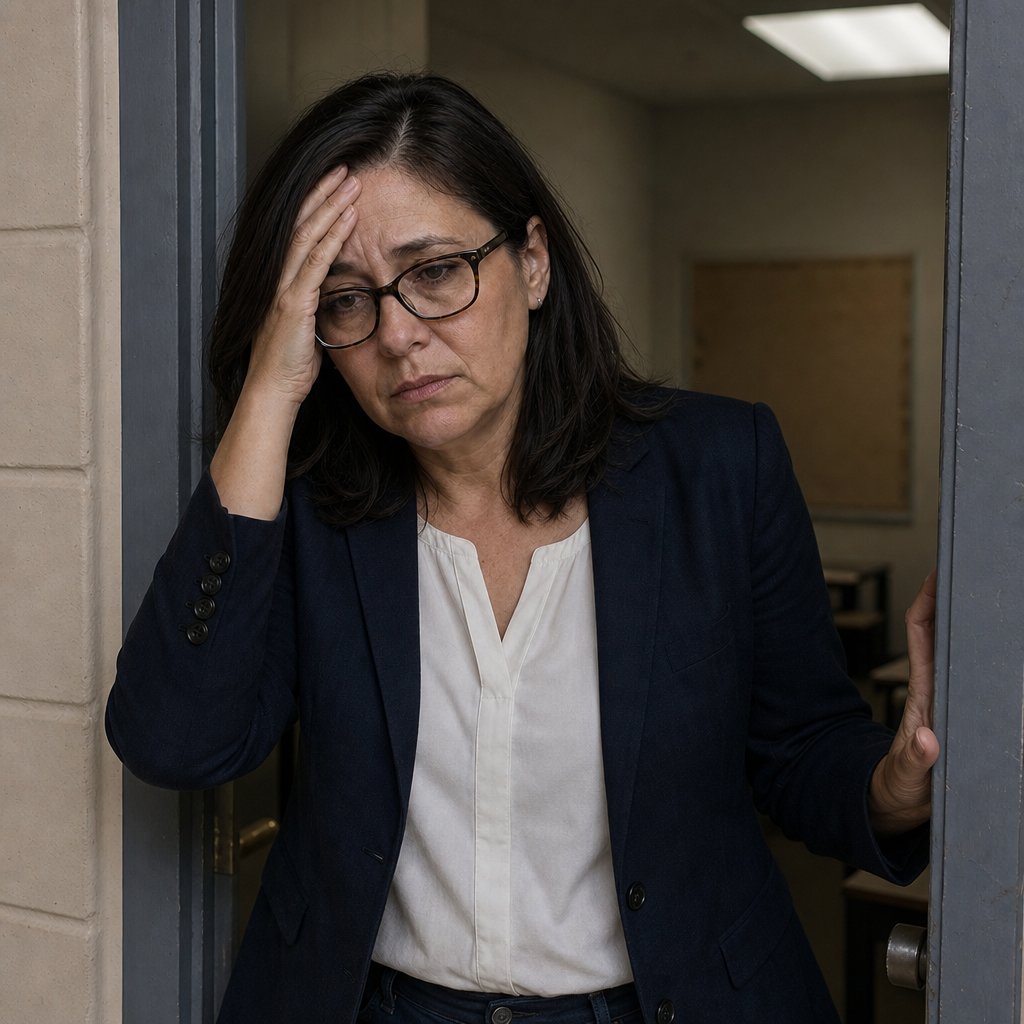
Strip away the jargon and Pratt's case comes down to one sentence: she acted inappropriately and insufficiently, without proper regard for her students' safety. That's the finding. Not cruelty, not a single violent act — a teacher who, again and again, failed to do the basic things that keep a room of children safe. She didn't manage the class, didn't report what was dangerous, and couldn't hold it together when it mattered. Parents trust that the adult in the room is paying attention. Pratt's students had an adult who had effectively checked out.
Before the Board
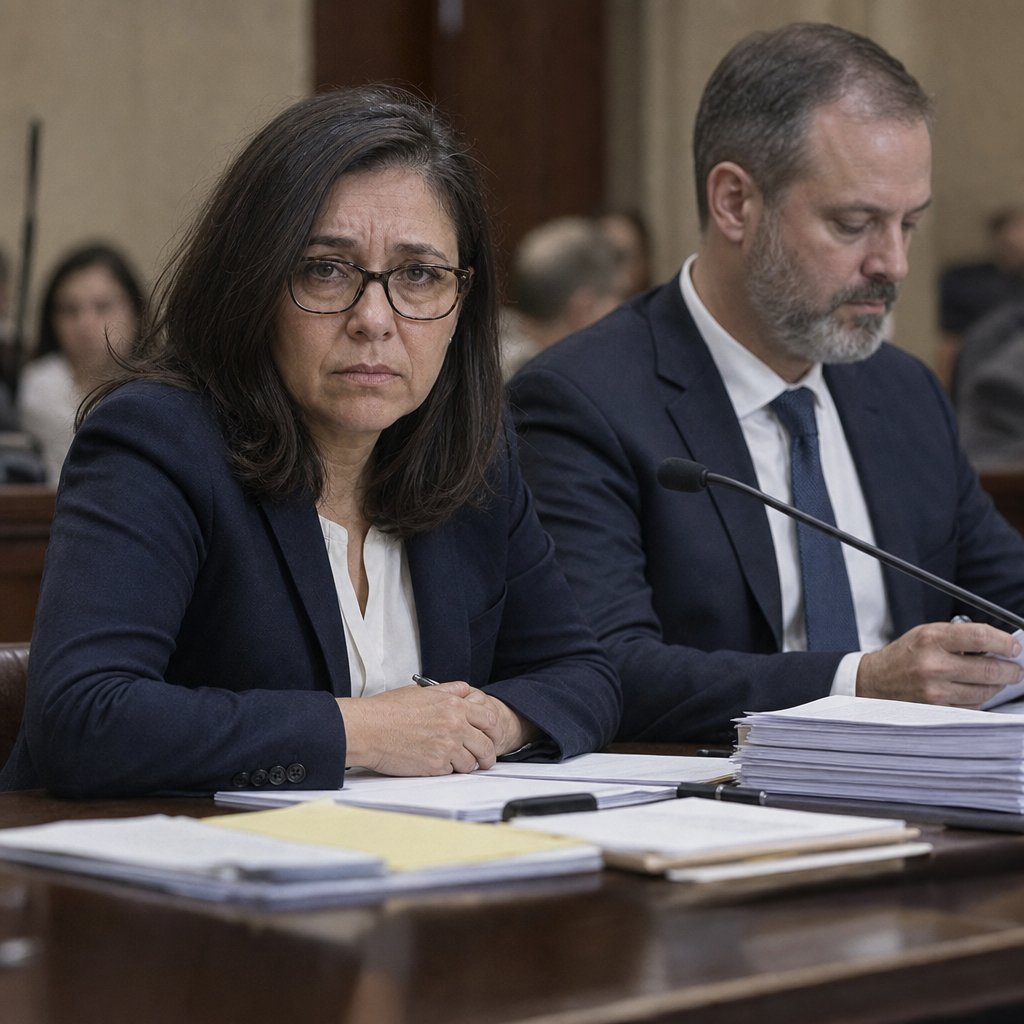
The matter went to a teachers' disciplinary board, and the hearing stretched across multiple days. The panel walked through the whole record: the permitted disruption, the dangerous incident she failed to report, the field trip she couldn't manage. Pratt attended with a lawyer. There wasn't a dramatic single act to argue over — just a steady accumulation of a teacher not doing her job in ways that put kids at risk. The panel found her guilty of professional misconduct. Then it said something about her that's harder to hear than the findings themselves.
Sent Back to Class — to Learn

The board ordered Pratt to appear before it to receive a formal reprimand, and — at her own expense — to complete a pre-approved course on classroom management and effective student discipline. A teacher of nearly thirty years, sent back to take the course a first-year teacher takes, because she'd never actually mastered the part of the job that keeps kids safe. For students who'd lost a year to a room no one was running, the course requirement at least named the failure for what it was: she had to be taught, formally, how to control a classroom.
Years Later, She Still Didn't See It
Here's the line that stuck. In its written decision, the panel explained why the course was necessary at all: because Pratt continued to display a lack of insight into her misconduct years after the underlying incidents had occurred. Read that again — years later, she still didn't grasp what she'd done wrong. That's the quiet alarm in this whole case. It's one thing to lose control of a class; it's another to sit through a hearing, hear the findings, and still not understand why a chaotic, unsupervised, unreported classroom was a problem. A teacher who couldn't keep kids safe — and still didn't get it. Enough of a consequence? Tell us below.
A dramatized retelling based on real teacher-discipline records. Names, locations, and identifying details have been changed. Any resemblance to actual persons is coincidental.