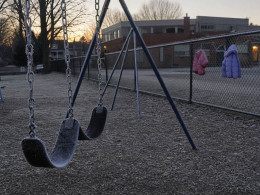




Morning Bell, Glassy Eyes

The morning bell rang across a quiet school in a Missouri district, and the children filed in the way they always did, backpacks dragging, voices low. At the front of the room stood the man entrusted with their day — and only he knew what was already moving through his blood. His eyes were too bright, his jaw too tight, his hands restless against the edge of a desk. He smiled at the class, but the smile arrived a half-second late, as if it had to travel a great distance to reach his face. The children noticed things adults missed: how he talked too fast, then forgot what he was saying. How he watched the door. To them it was just "Mr. Brennan being weird again." To him it was a secret he was certain he could keep. He had no idea how wrong he was about to be — or who had started watching.
Certified And Trusted
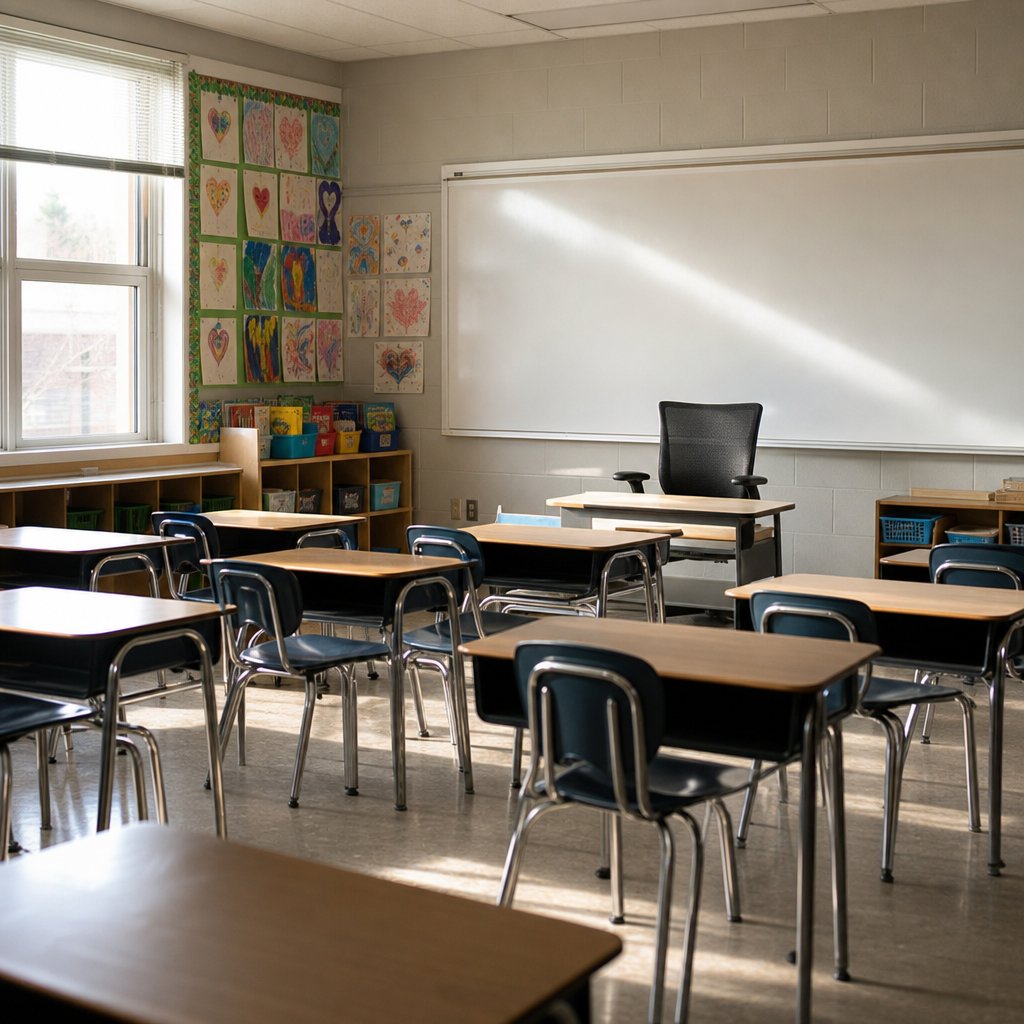
On paper, he was exactly the kind of man parents wanted in front of their children. He had been certified to teach back in 2002, sailing through the system with the credentials and the references that open classroom doors. For years he stood among colleagues who trusted him, in a profession built almost entirely on trust — the assumption that the adult at the front of the room is steady, sober, and safe. That assumption is rarely questioned. It is simply granted, the moment a teacher is handed a roster and a room full of someone else's kids. Mr. Brennan had been granted it many times over. But trust, once given, is a quiet thing; it makes no noise until the moment it shatters. And somewhere in those years, between the lesson plans and the parent-teacher nights, something in him had begun to come apart. The first cracks were about to show — in front of everyone.
The Word He Used

It happened in front of the whole class, the way the cruelest things often do. A child had worked on an assignment — the careful, anxious effort of a kid trying to please a teacher — and handed it over hoping for a nod, a check mark, anything kind. Instead, Mr. Brennan looked at it and called it "garbage." Not in a whisper. Not pulled aside. Out loud, in front of every classmate, the word landing like a slap in a room full of witnesses. The child's face went hot; the others went silent. Some looked down at their own desks, suddenly afraid of what their work might be called next. Over two school years, his conduct would fall far, far below what anyone expects of a teacher. But this was the kind of moment that travels home in a backpack and comes out at the dinner table — the kind a parent does not forget. And parents, it turned out, were starting to talk.
What He Brought To School

The secret he carried was not metaphorical. Investigators would later establish what some had only suspected: Mr. Brennan was found guilty of possession of cocaine — and, most damning of all, he had used it at school. Inside the building. During the school day. While children sat in his classroom, depending on him to be present, alert, and in control, he was anything but. It explained the restless hands and the overbright eyes, the conversations that sped up and then derailed, the strange edge that hummed beneath his moods. A school is supposed to be the safest place a child goes without their parents. He had quietly turned his corner of it into something else entirely — a place where the adult in charge was chasing a high between lessons. And the worse he felt, the more cruelly he seemed to lash out. The children couldn't name what was wrong with him. But they were learning, fast, to be afraid of being noticed.
Faces To The Wall
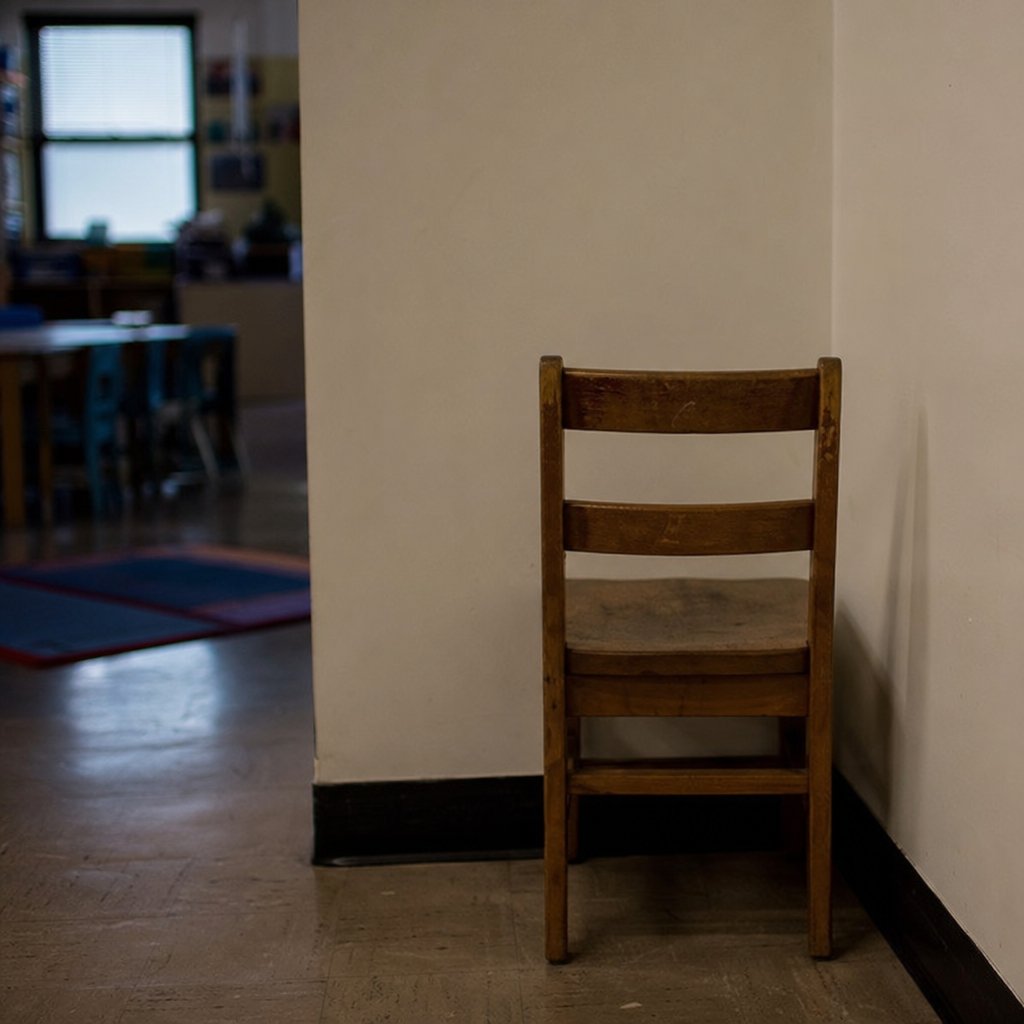
His version of discipline had a particular cruelty to it. At least two students were made to sit in the corner of his classroom, turned to face the wall — not for a minute or two, but for long, continuous stretches that bled through the school day. Imagine being seven, or nine, or eleven, forced to stare at the meeting of two blank walls while your classmates' voices and your teacher's lessons carried on behind you, the message unmistakable: you do not belong here, you are being erased. It is the kind of punishment that leaves no bruise and no record, only a slow, grinding humiliation that a child absorbs and carries home in silence. The other students watched and learned the lesson too — that the corner was always waiting, that any one of them could be next. The classroom had stopped being a place of learning. It had become a place of fear. And the children were beginning to dread the simple act of walking through his door — or worse, of being assigned to him at all.
The Class They Dreaded
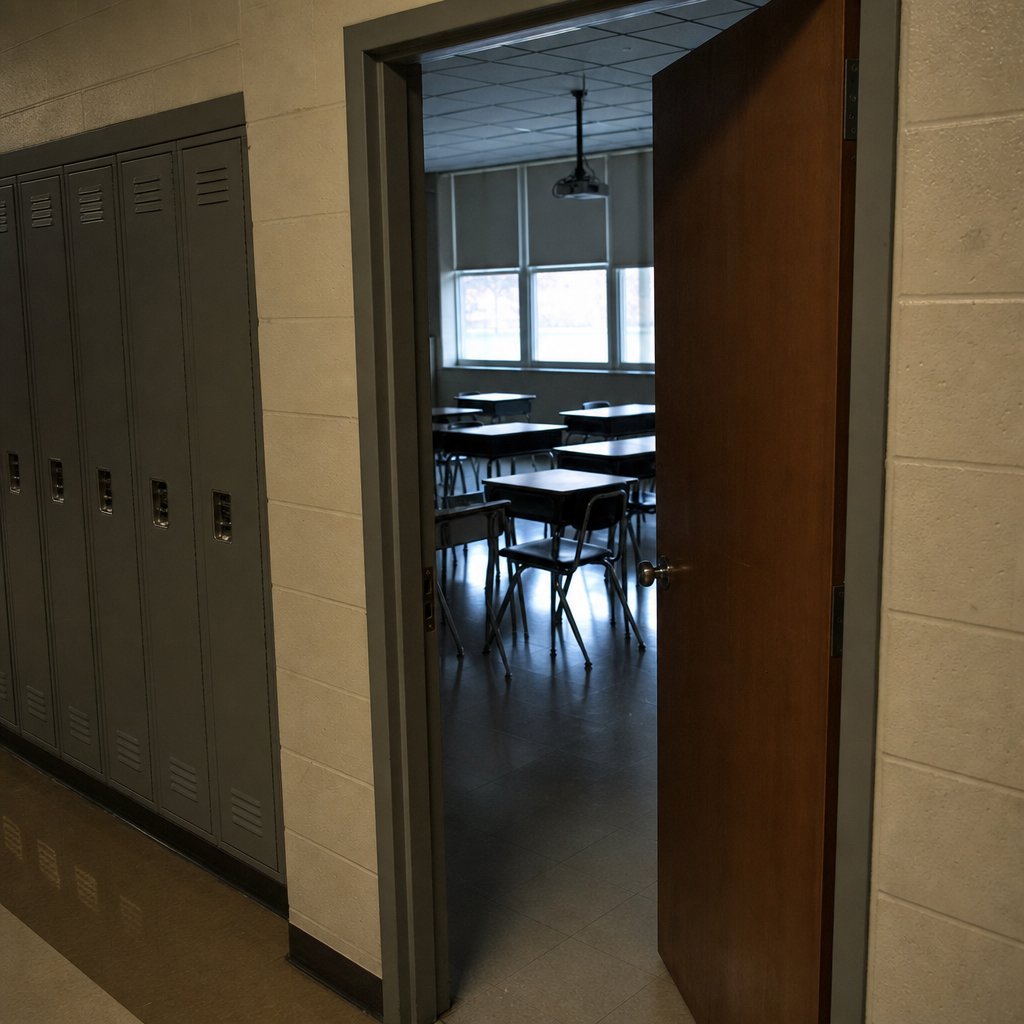
Word travels in a school the way it travels nowhere else — through whispered warnings between siblings, through nervous questions at the dinner table, through the dread that settles over a child when class lists are about to be posted. Parents began to notice it in their own homes: kids who grew quiet and anxious at the mere possibility of being placed in Mr. Brennan's class. Not nervous about a hard subject or a strict grader — frightened, specifically, of him. They had heard about the corner. They had heard about "garbage." They had seen the look in his eyes. And so parents started doing what parents do when their instincts scream: they complained. To the office. To administrators. To anyone who would listen. The complaints stacked up, each one another small alarm bell. The school could no longer pretend nothing was wrong. The question was no longer whether Mr. Brennan would be confronted — but how much more would surface once they finally pulled the thread.
He Couldn't Hold It Together

When the meetings came — with parents, with colleagues, with administrators — Mr. Brennan could not hold himself together. These were the moments that should have called for calm, contrition, a professional accounting for serious concerns. Instead, again and again, he behaved unprofessionally, the same erratic edge that haunted his classroom following him into the conference room. The mask kept slipping. Adults who sat across the table from him left those meetings unsettled, sensing something off in his manner, his temper, his inability to engage like the educator he was supposed to be. Each encounter only deepened the alarm rather than calming it. A man with nothing to hide answers questions. A man with everything to hide unravels under them — and Mr. Brennan was visibly, steadily coming undone. The district had seen enough. The complaints, the conduct, the conviction lurking beneath it all had reached a point of no return. His time at the front of that classroom was about to end — abruptly.
Out The Door
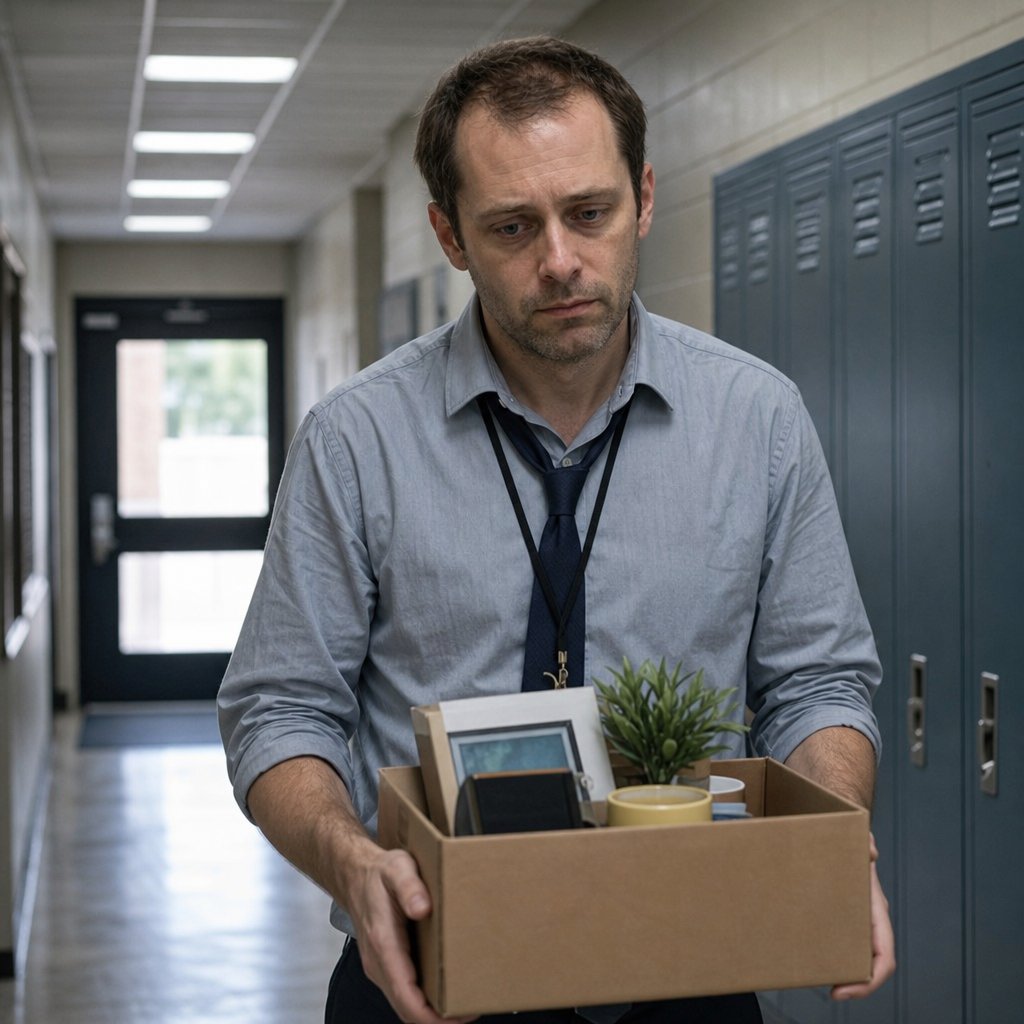
In the end, the decision was not complicated. His employment was terminated. The man who had stood at the front of that classroom high on cocaine, who had called a child's work garbage, who had turned students to face the wall for hours, was walked out of the school for good. For the children who had dreaded his door, it must have felt like the lifting of a weight they hadn't known how to describe. But termination is only ever the school's response — the end of his job, not the end of his story. Losing a teaching position is one thing. Losing the right to teach at all is another, and that question fell to a higher authority. A teachers' disciplinary board would now examine everything: the cocaine, the cruelty, the humiliated children, the frightened parents. They would weigh it all and decide what a man like this deserved. And what they concluded — and what they demanded of him — was just beginning.
The Board's Reckoning

The board did not mince words. After examining his conduct over those two school years, it found Mr. Brennan guilty of professional misconduct. He was made to appear in person to receive a reprimand and was handed a suspension of his teaching certificate for twelve full months. But the board went further, building a wall between this man and any future classroom: before he could ever begin or return to a teaching position, he would have to be screened and monitored for substance abuse, and complete significant coursework first — no quiet slipping back through an open door. What the board said cut to the heart of it. It declared itself "particularly troubled by the fact that the member used cocaine at the school while there were children under his care," calling the conduct "completely unacceptable" and demanding it "be met with severe consequences." The drug habit he thought he had hidden was now on the record, in plain words, for everyone to read. But one question still hung in the air.
Twelve Months, Then What?

Twelve months. A reprimand. Mandatory drug screening and coursework before he can stand in front of children again. To some, it is a firm and fitting answer to a man who got high while small kids sat under his care. To others, it raises a colder question: a suspension ends, conditions can be met, and a door that closed for a year can quietly reopen. The children he humiliated will carry the corner, the word "garbage," and the fear of his class far longer than twelve months — some of them, perhaps, for life. He brought a drug into a classroom full of other people's kids and turned their school days into something to dread, and one day, screened and certified, he may be eligible to teach again. The board called his conduct completely unacceptable. The real test is whether the system ever truly lets a man like this back near a classroom. If your child sat in that corner facing the wall, would twelve months be enough — or would you want him banned for life?
A dramatized retelling based on real teacher-discipline records. Names, locations, and identifying details have been changed. Any resemblance to actual persons is coincidental.