



Thirty Years In — Then This

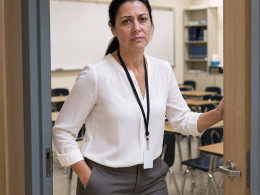
Some teachers coast to retirement. Eleanor Brandt nearly made it — more than three decades in the classroom, the kind of tenure that earns a plaque and a sendoff. Instead, her final year with a school board in Indiana ended with an investigation, a report to child protection, and her name in front of a teachers' disciplinary board. After a whole career, it was the way she ran her last class that finally caught up with her — and the kids on the receiving end were some of the youngest in the school.
The Old-School Veteran

Brandt had been certified since the mid-1970s — old enough in the job to remember when “discipline” meant something far harsher than it does today. For decades, that experience read as an asset: a steady hand, a teacher who didn't take any nonsense. But classrooms changed, and the line between firm and abusive moved with them. Brandt's didn't. By her final year, the “no-nonsense veteran” reputation was hiding something the school, and eventually the authorities, could no longer ignore.
Discipline by Force

During her last school year, Brandt's idea of classroom management leaned on intimidation. She yelled at her students — young children — and her temper set the tone for the room. For little kids, a teacher's raised voice isn't background noise; it's the loudest, scariest thing in their day. But the yelling, it turned out, was the gentlest part of what was happening behind that door. Because Brandt didn't just raise her voice at the children in her care. She put her hands on them.
She Put Hands on Kids to Move Them
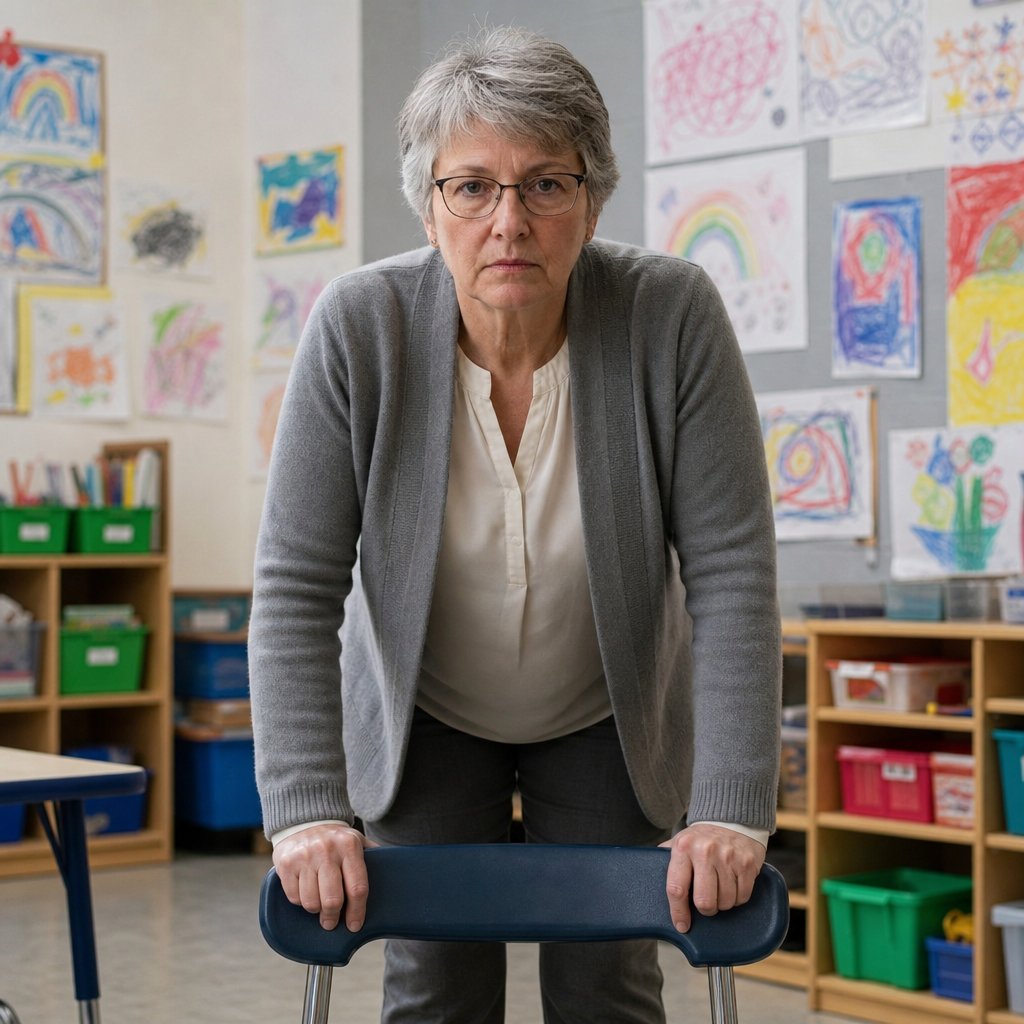
When students didn't move fast enough, Brandt pushed them — physically escorting children to their seats. Think about the size difference: a grown adult laying hands on a small child to force them where she wanted them to go. It's the kind of thing that, decades ago, a tired veteran might have gotten away with calling “strict.” Today it has a different name. And it wasn't a one-time loss of patience — it was how she ran the room, day after day, with kids too young to do anything but comply.
Banished to the Hallway, Alone
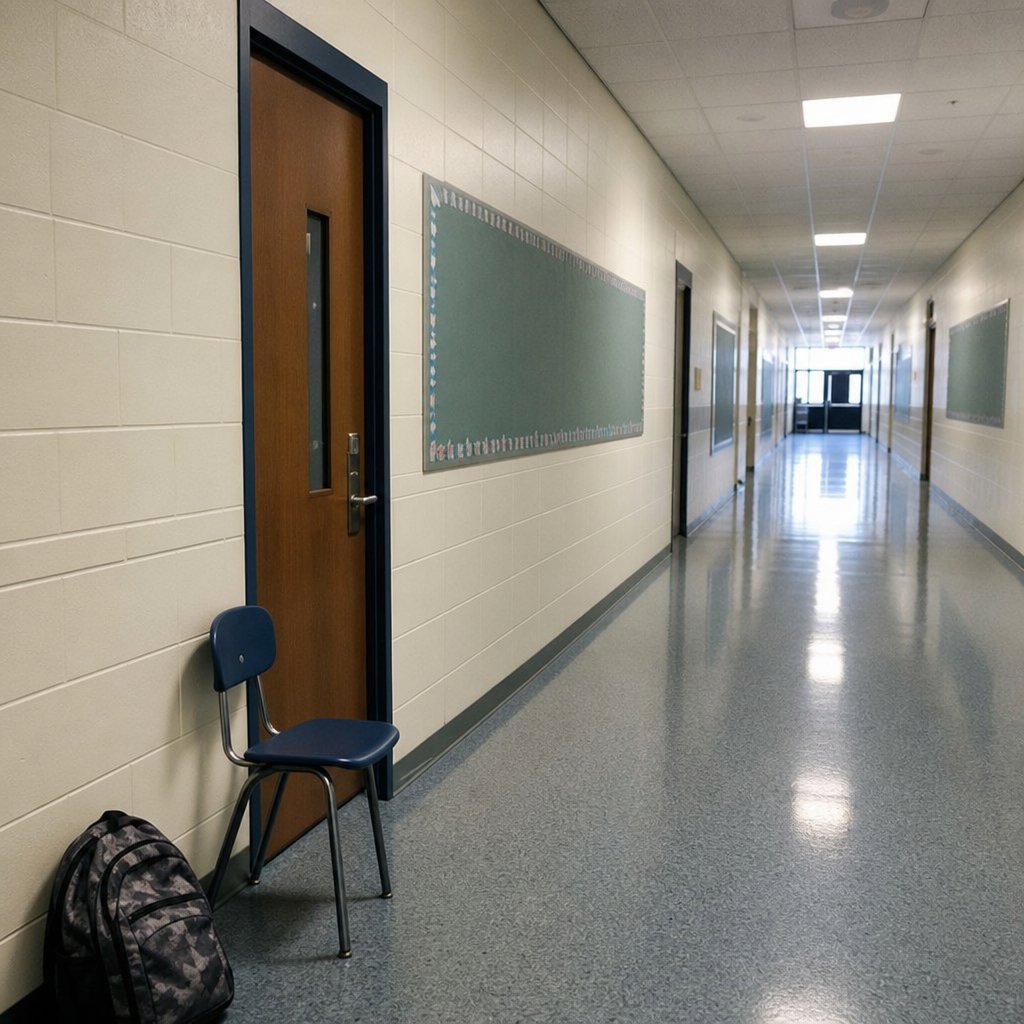
Brandt's discipline had another edge to it. She ordered a student out of the classroom to work in the hallway — unsupervised. A child, removed from the room and left alone in an empty corridor, outside the sightline of any adult responsible for them. Every supervision rule a school has exists precisely to prevent that. It's not discipline; it's abandonment dressed up as a consequence. And it was one more detail that, once it surfaced, made clear this wasn't a strict teacher having a rough year. This was a pattern.
Someone Made the Call

Eventually, what was happening in Brandt's classroom reached the people whose job is to protect kids. The incidents were reported to a child-protection agency — the threshold a teacher's conduct has to clear before outside authorities get involved. That's the moment a “discipline style” stops being a school matter and becomes a child-welfare one. For the families who'd worried something was wrong, it was confirmation. Someone with the power to investigate was finally going to look at how the youngest students in that building were being treated.
The Investigation Confirmed It

The investigation didn't clear her. It verified the concerns about Brandt's use of excessive discipline — official confirmation that the yelling, the pushing, the physical escorting and the hallway banishment had actually happened, and crossed the line. Decades of seniority couldn't argue with a finding like that. Once child-protection authorities and the board both agreed on what had gone on in that classroom, Brandt's long career was effectively over. The only question was how she'd leave it.
She Retired — Fast

Brandt retired from the board, effective at the end of that school year — stepping out almost as soon as the findings landed. Retiring, though, isn't the same as being cleared. Leaving the building doesn't erase a teaching certificate, and it doesn't stop a disciplinary board from ruling on what you did while you held it. Brandt could walk away from the school. She couldn't walk away from the record of how she'd treated the children in it.
She Didn't Even Show Up

When the teachers' disciplinary board convened to rule on her conduct, Brandt didn't attend — she sent a lawyer in her place. She entered a plea of no contest and agreed to a statement of facts rather than fight it. In plain terms: she didn't dispute what she'd done. The panel reviewed the agreed facts — the excessive discipline, the verified investigation — and found her guilty of professional misconduct. After more than thirty years, the career ended not with a tribute, but with a finding she chose not to contest in person.
A Reprimand on the Way Out

The penalty: Brandt was ordered to appear before the panel for a formal reprimand before she could ever take another teaching role, and to complete a course, at her own expense, on classroom management and discipline strategies — a veteran of thirty-plus years sent back to learn how to discipline children without putting hands on them. Since she'd already retired, the reprimand and the course were largely symbolic. To some, that's justice catching a teacher right as she slipped out the door. To others, it's a career of excess answered with a lesson plan. Reported to child protection — and the result was a reprimand. Enough? Tell us below.
A dramatized retelling based on real teacher-discipline records. Names, locations, and identifying details have been changed. Any resemblance to actual persons is coincidental.